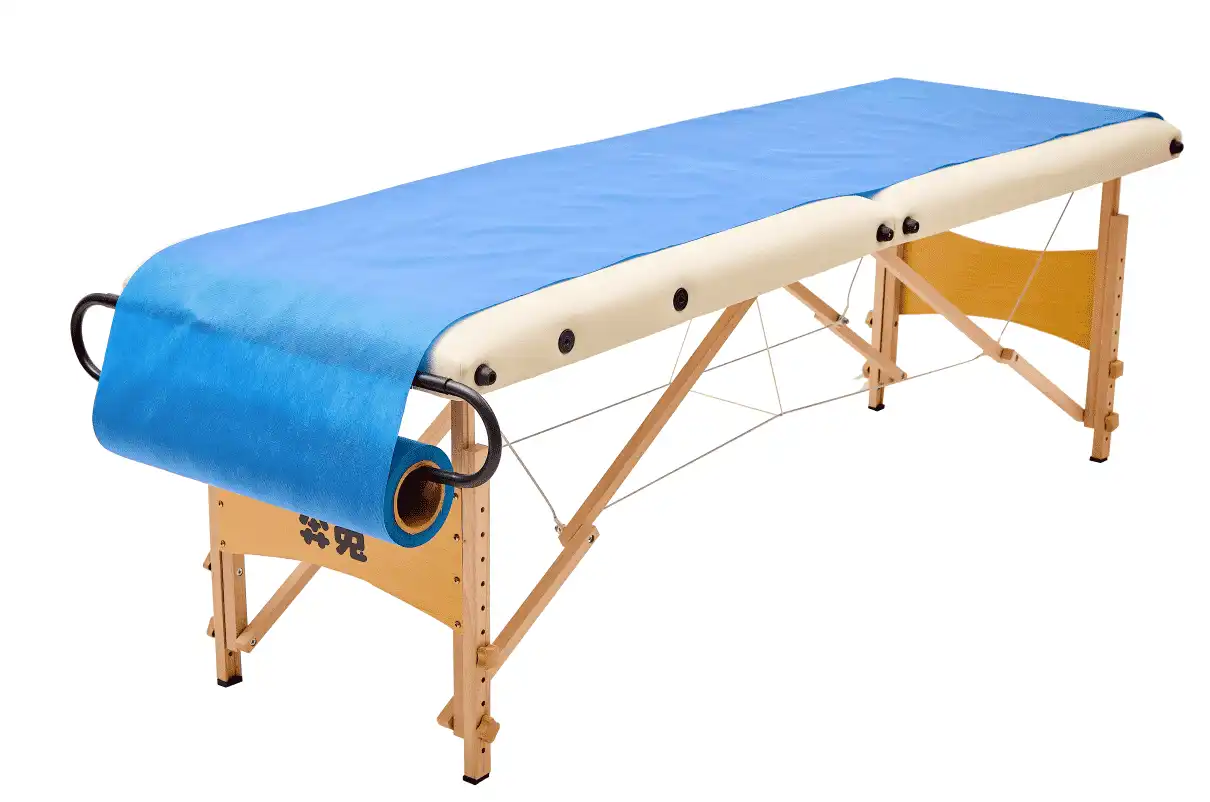
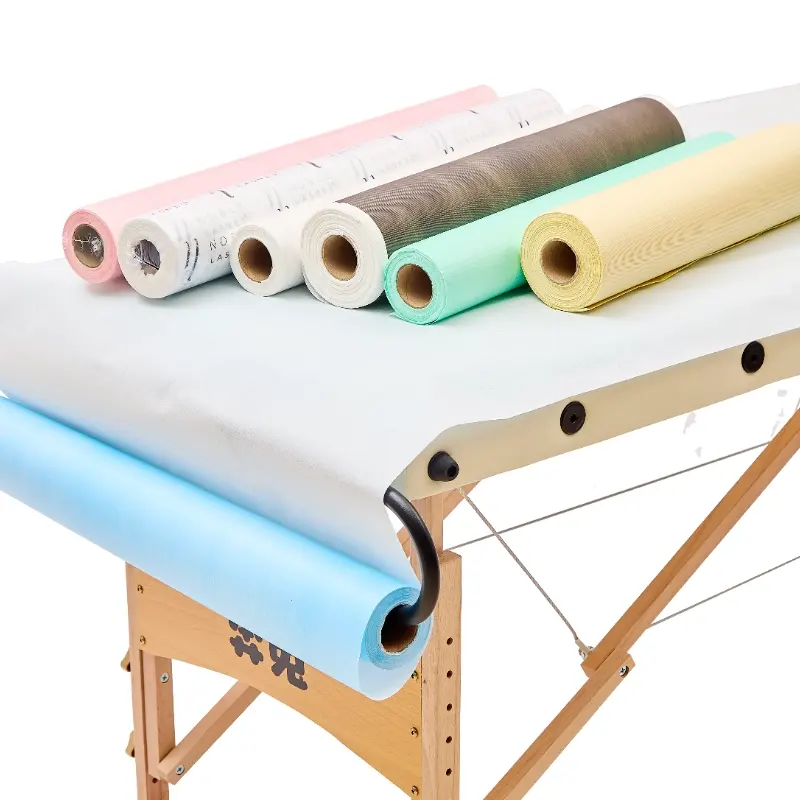
Title Disposable Puppy Pad Guide Achieve Hassle‑Free Training with Disposable Puppy Pads

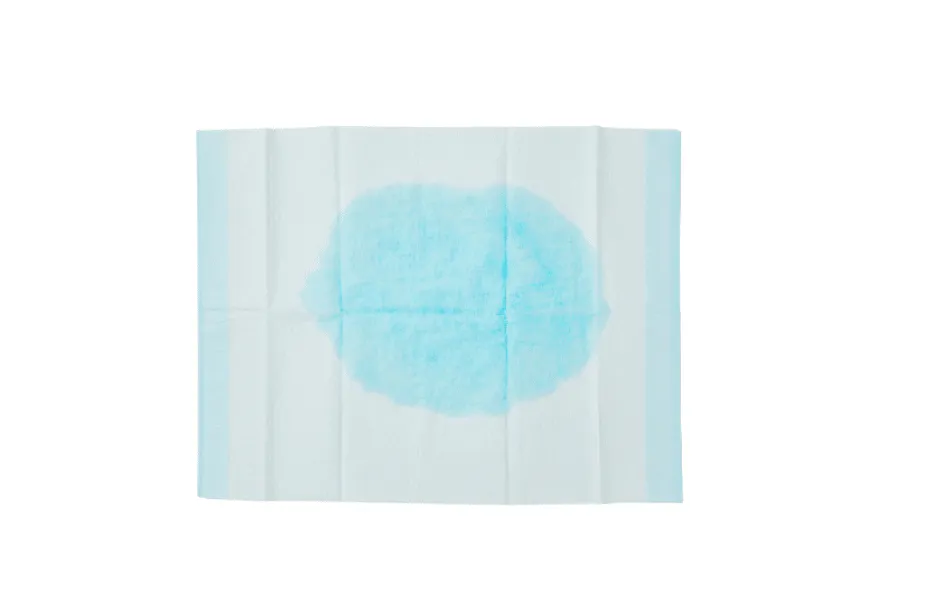
Bringing a new puppy home is exciting—but house‑training can be messy. With the right tools, you can turn accidents into quick clean‑ups. A high‑quality Disposable Puppy Pad not only soaks up moisture instantly but also keeps your floors and carpets spotless. Whether you’re dealing with a tiny piddle or a full‑blown accident, these pads are designed to lock in liquid and eliminate odors, giving both you and your pup peace of mind from day one.


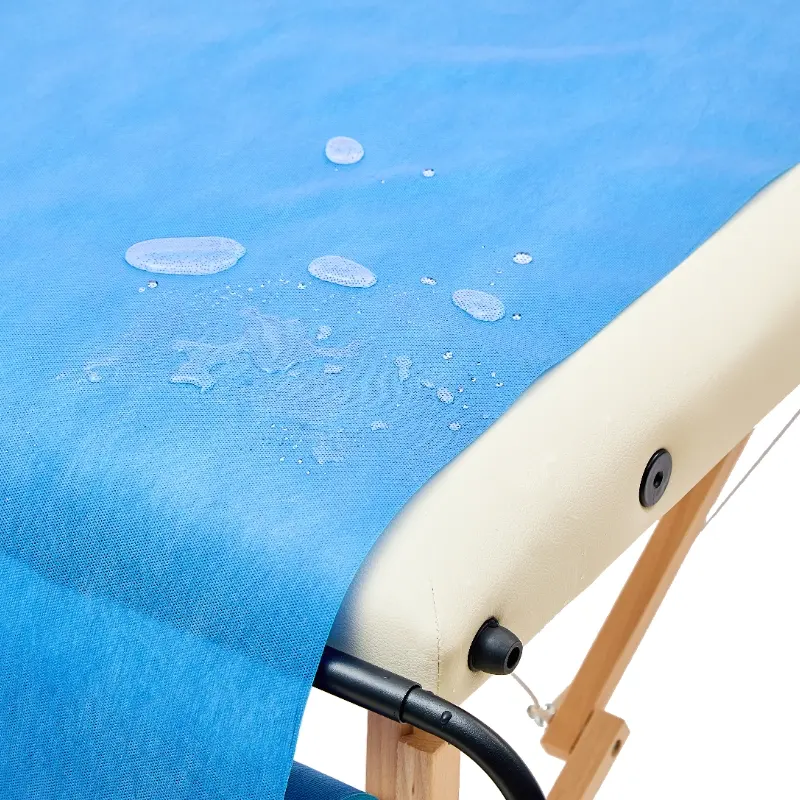
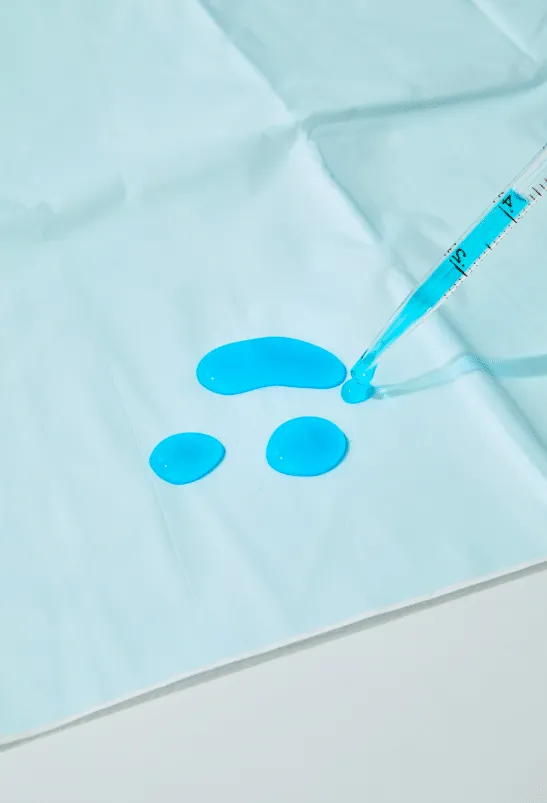
Modern Dog Puppy urine Pads feature super‑absorbent cores that draw moisture away from the surface in seconds. This rapid absorption prevents your pup’s paws from tracking wetness around the house, reducing mess and stress. Many pads also incorporate a waterproof backing and odor‑neutralizing gel, ensuring your home stays fresh even after multiple uses. Ideal for apartment living, travel, or late‑night bathroom breaks, these pads turn puppy accidents into a non‑issue.


For multi‑pet households or senior dogs, Disposable Underpads offer an extra layer of protection under bedding, crates, or pet carriers. Their generous dimensions cover more area than standard puppy pads, making them perfect for larger breeds or deeper bedding layers. When it’s time for disposal, simply fold up the pad and toss it away—no washing, no fuss. This convenience saves you valuable time and effort, so you can focus on playtime and cuddles instead of cleanup.


When it comes to choosing a dependable partner in house‑training, Disposable Puppy Padr stands out for unbeatable quality and service. Beyond our ultra‑absorbent, leak‑proof design, we pride ourselves on the Telijie difference: lightning‑fast shipping, responsive customer support, and a satisfaction guarantee that ensures you’re always cared for. Trust Disposable Puppy Padr to make puppy training as effortless as possible—because a clean home and a happy puppy are just a pad away.

Top

Understanding Dengue A Guide to the Mosquito-Borne Virus

Understanding Dengue: A Guide to the Mosquito-Borne Virus

Introduction


Dengue is an acute arthropod-borne viral infection that places a heavy socioeconomic and disease burden on many tropical and subtropical regions, and is the most frequent arboviral disease globally. Dengue is transmitted by the bite of an infected female mosquito. Non-vector transmission can also occur, for example, through blood transfusion, organ transplantation, needle stick injuries, and mucosal splashes.Transmitted by mosquitoes of the genus Aedes, dengue is found mainly in the tropics and subtropics, with over 3 billion people living in Aedes-infested areas. The annual incidence of dengue infections was estimated to be around 400 million per year.


Clinical Manifestations of the Three Dengue Phases

Febrile Phase


• High fever and chills. Typically persistent or unremitting, although a saddleback pattern can be observed. Children experience high fever and vomiting but are usually less symptomatic than adolescents and adults, except that febrile convulsions can occur.

• Fever lasts for 3–7 days from illness onset.

• Systemic symptoms such as headache, malaise, retro-orbital pain, arthralgia, myalgia, bone pain, nausea, vomiting, and altered taste sensation.

• Presence of upper respiratory symptoms helps to differentiate influenza from dengue.

• Examination findings can include rash, flush, conjunctival or pharyngeal injection, mild bleeding manifestations, generalised lymphadenopathy, and a palpable liver.

• A tourniquet test can be positive but is a non-specific finding.


Critical Phase


Vascular leak syndrome, bleeding, liver impairment, CNS impairment, cardiac impairment, eye impairment, impairment of other organs (Microscopic haematuria has been noted in 20 –30% of inpatients with dengue but AKI is rare generally. Renal failure is sometimes seen in profound DSS, or in association with rhabdomyolysis.)


Recovery Phase


• With good supportive care full recovery is usual within 1–2 weeks.

• Post-viral fatigue and depression are reported, but few studies have evaluated these outcomes prospectively.

• A florid convalescent rash can develop, resolving slowly over several weeks.

• Fever persisting for >10 days can indicate bacterial superinfection or development of rare complications, such as secondary haemophagocytic lymphohistiocytosis.


Diagnosis

      * For Suspected Cases


Visit to a dengue-endemic area within 14 d prior to the onset of the disease, or the presence of dengue cases within 1 month around the place of residence or workplace, consistent with the clinical manifestations of dengue fever.


       * For Clinical Diagnostic Cases


Serum specimens from suspected cases tested positive for dengue virus IgM antibodies or positive for NS1 antigen.


       * For Confirmed Cases


Suspected cases or clinically diagnosed cases that meet one of the following: (1) Positive dengue virus nucleic acid test; (2) Culture isolation of dengue virus; (3) Positive seroconversion of dengue virus IgG antibodies in serum, or at least a fourfold rise in antibody titer during the convalescent phase as compared with the acute phase.


Laboratory Investigations

Etiological and Serological Examinations


Antigen Detection — Dengue virus NS1 antigen tests positive in blood during the acute febrile phase (By colloidal gold assay or ELISA),NS1 is a glycoprotein that is common to all dengue serotypes and can be used to detect either primary or secondary infections in the earliest stages.

Nucleic Acid Detection — Dengue virus nucleic acid tests positive in specimens such as blood or cerebrospinal fluid (CSF).

Virus Isolation — Dengue virus is isolated via culture from specimens such as blood.

Serological Antibody Detection — Serology testing for dengue lgG and lgM can be useful in confirming primary or secondary diagnosis. IgM antibodies can be detected 3-5 days after symptom onset in primary infection patients, peak at 2 weeks, and persist for 2-3 months. A positive IgM test suggests recent dengue virus infection and is applicable for early diagnosis of dengue fever; however, cross-reactivity with other flaviviruses may occur. IgG antibodies can be detected approximately 1 week after symptom onset and may persist for years or even lifelong. Detection of high levels of IgG antibody within the first week of illness suggests a secondary infection.

General Examinations —Complete blood count (CBC), urinalysis, clinical chemistry tests, coagulation studies, ultrasonography, X-ray, CT, MRI, ECG and so on. All of the above can play a supportive role in diagnosis and treatment.


Getein’s Solutions

Getein offers dengue NS1 Ag rapid test for antigen detection and dengue lgG/lgM combo rapid test for serological antibody detection. Dengue NS1 antigen can be detected from the 1st day after onset of dengue symptoms, while dengue lgG/lgM combo can differentiate between primary & secondary dengue infection. Getein's solutions enable comprehensive diagnosis of dengue infection from acute to convalescent stages, requiring easy usage steps and only 15 minutes for result generation with high sensitivity and superior specificity. These relevant test kits are supported on our devices Getein 1100, Getein 1160, Getein 1180, Getein 1200, and Getein 1600. For more details, please visit our online website.


Top

Nowhere to Hide —— PIVKA-II Helps the Early Screening of HCC

Are you experiencing unexplained weight loss, digestive problems, abdominal pain or jaundice? Don't ignore these symptoms, these may signal underlying liver issues! PIVKA-II testing helps identify hepatocellular carcinoma(HCC) risk, it’s a critical step towards early intervention through comprehensive diagnostic follow-up.


         What is PIVKA-II ?


Protein induced by Vitamin K absence or antagonist-II (PIVKA-II), also known as abnormal prothrombin, is an abnormal form of the blood-clotting protein prothrombin. Produced when vitamin K metabolism is disrupted (e.g., in liver cancer), PIVKA-II lacks gamma-carboxylation. Its elevated levels are a hallmark of hepatocellular carcinoma (HCC) and strongly correlate with tumor size, metastasis, and prognosis. Unlike AFP, PIVKA-II offers higher specificity for HCC, especially in AFP-negative cases.


          Why Choose PIVKA-II Testing ?


•Early HCC Detection: Identifies liver cancer earlier than imaging in high-risk patients. 

•Complement to AFP: Increases diagnostic accuracy when combined with alpha-fetoprotein (AFP) testing.

•Monitor Treatment Response: Tracks tumor progression or regression post-surgery/chemotherapy. 

•Predict Recurrence Risk: Rising levels signal potential cancer recurrence.

•Risk Stratification: Guides clinical decisions for cirrhosis or hepatitis patients. 

•Sample & Reliable: A quick, patient-friendly test for proactive liver health management.


          Who Should Get Tested?


•Chronic Liver Disease Patients: Cirrhosis, hepatitis B/C carriers. 

•AFP-negative HCC Suspects: When AFP results are inconclusive. 

•Post-HCC Treatment Patients:Monitoring recurrence after resection/ablation. 

•Family History of HCC: Genetic predisposition to liver cancer. 

•Unexplained Liver Dysfunction: Elevated ALT/AST with unknown cause. 

•High-risk Lifestyles: Long-term alcohol abuse or metabolic syndrome. 

•Pre-transplant Screening: Evaluating HCC risk in liver transplant candidates.  

•Vitamin K Deficiency Disorders:To rule out malignancy-linked abnormalities. 

•Surveillance Programs: Regular testing for cirrhosis/hepatitis patients.


Getein's Cares for 

PIVKA-II CLIA Platform


Getein supports your journey toward proactive liver health with precise, actionable insights! 


Top

What roles does the vein finder device play in emergency scenarios?

1. Rapidly establish intravenous access


Question: During emergency treatment (such as massive hemorrhage, shock, or cardiac arrest), rapid intravenous infusion or medication is required. However, the patient may experience vascular collapse due to dehydration, low blood pressure, or obesity, making it difficult to locate.

Function

Real-time display of subcutaneous veins (such as veins on the back of the hand and in front of the elbow) through infrared imaging can shorten the puncture time (studies show that it can reduce the number of attempts by 30-50%).

Avoid vascular damage or complications (such as hematoma) caused by repeated punctures.

Typical scenario

Emergency room rescue of patients with hemorrhagic shock.

Establish venous access for the wounded on the battlefield or at disaster sites.


2. Dealing with special patient groups

Children/Infants

Newborns have thin and fragile blood vessels. Vein-Finder can precisely locate them, reducing the pain of puncture (pediatric studies show a 40% increase in success rate).

Obese patients

The fat layer covers the veins, making traditional palpation difficult. The equipment can penetrate 10-15mm and clearly visualize the tissue.

Elderly/patients with chronic diseases

Long-term intravenous infusion can lead to vascular hardening or atrophy, and the device helps identify available venous segments.


3. Applications in harsh environments

Low light/Night rescue

When there is a power outage, in the wild or during night rescue, the device comes with its own light source and does not rely on external lighting (such as in earthquake-stricken areas or military operations).

Polluting the environment

Reduce operation time and lower exposure risks (such as in scenarios of chemical pollution or infectious diseases).


4. Reduce medical errors and the risk of infection

Function

Reduce needle contamination or occupational exposure of medical staff (such as HIV and hepatitis B viruses) caused by failed puncture.

Avoid phlebitis caused by repeated punctures, especially for emergency patients who need long-term intravenous infusion (such as those with sepsis).

Data support

An ICU study showed that the catheter-related infection rate decreased by 22% after the use of Vene-Finder.


5. Adaptation to special first aid scenarios

Burn patients

Skin damage makes it impossible to use a tourniquet. The device locates the remaining veins through non-contact imaging.

Hypothermia

When blood vessels constrict, infrared technology can still identify deep veins.

Diabetic emergency

Ketoacidosis requires rapid fluid replacement, but the patient's vascular condition is poor. The equipment can increase the success rate of the first puncture.


Also welcome to contact us, we are ZD Medical Inc.
Tel : +86-187 9586 9515
Email : sales@zd-med.com
Whatsapp/Mobile : +86-187 9586 9515

Top

Sudden blurring of vision could be a red alert for a systemic illness

Exudative Retinal Detachment (ERD) is a lesion in which the neuroepithelial layer of the retina separates from the pigment epithelial layer without holes. The core mechanism is the destruction of the blood-retinal barrier or the imbalance of choroidal osmotic pressure, resulting in abnormal accumulation of plasma, lipids or blood in the subretinal space. Unlike rhegmatogenous or tractional detachment, ERD does not have retinal holes. ERD is often an "ocular crisis signal" of systemic or local diseases.


Common causes:

ERD is essentially the fundus manifestation of multi-system diseases, and its causes can be divided into two major categories:
(1) Systemic diseases and pregnancy-related diseases: Severe preeclampsia (S-PE) and HELLP syndrome are high-risk factors for ERD; Hypertensive nephropathy: Malignant hypertension can cause choroidal circulation disorders, and fibrinoid necrosis of choroidal arteriole leads to a large amount of plasma exudation. (2) Ocular diseases such as uveitis and retinal vasculitis: Uveitis ranks first among the causes of ERD, especially posterior uveitis like VOGT-Koyanagi-Harada syndrome (VKH) and sympathetic ophthalmia. Inflammation leads to increased permeability of choroidal vessels, causing exudation. Tuberculous uveitis can form subretinal abscesses or granulomas, directly damaging the blood-retinal barrier. Vascular diseases: Coats' disease - Highly prevalent in children and adolescents. Retinal capillary dilation accompanied by a large amount of lipid exudation can lead to total detachment. Retinal vein occlusion (BRVO) - Ischemic vein occlusion induces the release of inflammatory factors, leading to vascular leakage; Tumors and congenital abnormalities: Choroidal melanoma or hemangioma disrupts the blood-retinal barrier, leading to the accumulation of exudate. Metastatic breast cancer and lung cancer are the most common primary foci. According to the latest study of EURETINA 2024, exudative detachment is the main manifestation of invasive retinopathy of prematurity (ROP), accompanied by edema in the anvascular area and subretinal exudation.


Clinical manifestations:

The symptoms of ERD patients are diverse, but there are usually four key warning signs:
Painless vision loss: When the macular area is involved, vision can drop sharply to below 0.1. Unlike rhegmatogenous detachment, vision loss in ERD usually progresses more slowly, but patients in the acute phase of hypertensive crisis or VKH syndrome may lose central vision within a few hours. Visual distortion: Due to the displacement of photoreceptor cells caused by subretinal fluid, wavy distortion occurs when looking at straight lines. Amsler grid examination reveals typical grid distortion. Central dark spot: When the macular area is affected, a fixed black shadow appears in the center of the visual field, but the peripheral visual field remains relatively intact. Abnormal color vision and flashes: Inflammatory ERD (such as VOGT-Koyanagi-Harada disease) is prone to blue-yellow color vision shift.


Diagnostic method:

Multimodal imaging combined application of optical coherence tomography (OCT) : The gold standard for ERD diagnosis, which can directly display low-reflection dark areas of subretinal fluid and RPE detachment. EDI-OCT technology - enhanced penetration depth, can quantify choroidal thickness, and help distinguish VKH from CSC; Fluorescein angiography (FFA) : Active leakage foci show "ink-stained" or "chimney-like" hyperfluorescence (such as CNV); The bleeding area shows fluorescence occlusion, and the non-perfusion area suggests ischemic etiology. Indocyanine green angiography (ICGA) : Evaluation of choroidal vessels - Diagnosis of polypoid choroidal vasculopathy (PCV) or VKH complex; OCT angiography (OCTA) : Non-invasive detection of retinal/choroidal neovascularization and quantification of blood flow density; B-type ultrasound: When the refractive media is turbid, it shows subretinal fluid dark areas, differentiating choroidal tumors or hemorrhage. Multifocal electroretinography (mfERG) : Objectively assess retinal functional impairment, especially suitable for children or uncooperative patients;


Treatment and prognosis:

The treatment of ERD should focus on etiological therapy, supplemented by surgical intervention.

Drug therapy: Glucocorticoids - systemic or topical application (such as intrauterine injection) to suppress inflammation (such as uveitis, Eales' disease); Anti-vegf drugs - reduce vascular leakage (such as BRVO, Coats' disease); Laser and photocoagulation therapy: Retinal laser photocoagulation - sealing abnormal blood vessels (Coats' disease, ischemic BRVO); Micro-pulse laser - Treating macular edema and reducing thermal damage; Surgical intervention: It is only used for complex cases, such as vitrectomy when Coats' disease is secondary to traction detachment. Spontaneous absorption is possible. After blood pressure is controlled in hypertensive choroidal lesions, the detachment can spontaneously return to its original position. The prognosis is highly dependent on the control of the primary disease: inflammatory ERD - early hormone therapy can completely reset it, and the visual recovery is relatively good; Tumors or Coats' disease - Delayed diagnosis and treatment can cause permanent photoreceptor damage. Amblyopia should be vigilant in children. Follow-up requirements - OCT and FFA should be reexamined every 3 to 6 months to monitor recurrence.


Example 1: The retinal neuroepithelial layer in the macular area protrudes, with dark reflex cavities inside


Example 2: A mass of hyperreflectivity can be seen in the central area, accompanied by subretinal effusion and shallow detachment of the retinal pigment epithelium layer

Exudative retinal detachment is a "crisis signal" of systemic diseases within the eye, and its diagnosis and treatment require collaboration between ophthalmology and multiple disciplines. Early identification of the primary disease, combined multimodal imaging assessment, and targeted control of inflammation/vascular leakage are the core strategies to avoid permanent vision loss. Especially for premature infants and patients with chronic inflammation, regular fundus screening is a key line of defense for saving visual function!


Also welcome to contact us, we are ZD Medical Inc.
Tel : +86-187 9586 9515
Email : sales@zd-med.com
Whatsapp/Mobile : +86-187 9586 9515


Top

Boost Efficiency and Sustainability with Industrial Paper Wiper — Premium Scrim Paper Towels for Industrial Wipes

In fast-paced manufacturing environments, keeping workspaces clean and safe is a non‑negotiable priority. Whether you’re tackling oil spills on the shop floor or wiping down delicate machinery, the right wiping solution makes all the difference. Our Industrial Paper Wiper delivers professional‑grade performance where lesser rags and shop towels simply can’t keep up. Designed for rigorous daily use, it helps you maintain productivity and hygiene without compromise.


Constructed from 100% pure wood pulp reinforced with a durable mesh scrim, this scrim‑grid composite offers exceptional strength and tear resistance—even when wet. Thanks to its eco‑friendly, fully biodegradable composition, you can rest assured that waste disposal stays green. With an absorption ratio of up to 1:6 and water‑hold capacity 500% greater than ordinary paper, each sheet locks in oil and liquids quickly and thoroughly, minimizing drips and drags on the production line.


Available in both 3‑layer and 4‑layer builds, our Scrim Paper Towel adjusts to your specific needs. Choose between 55 GSM for everyday wiping or 65 GSM for extra‑heavy‑duty spills. Sizes range from 30×30 cm to 50×60 cm, and three color options let you implement simple color‑coded cleaning protocols. Tested for tensile strength of 8–10 kg, this Scrim Reinforced Paper Hand Towel won’t fall apart under pressure—and if you require sterile wipes, customized sterilization services are also available.


As a cornerstone of industrial cleaning, these Industrial Wipes excel in automotive workshops, food processing plants, and electronics assembly lines alike. Their lint‑free surface makes them ideal for sensitive instruments, while the grid‑reinforced core provides the durability needed for scrubbing heavy soils and oils. Need branded packaging? Logo customization and FSC‑certified options are on offer to help you align with your company’s sustainability goals.


When you choose Industrial Paper Wiper, you’re not just investing in top‑tier materials—you’re partnering with the Telijie team. From rapid sample turnaround to tailored logistics solutions, our customer support ensures your facility never runs low. With decades of expertise, flexible order quantities, and a commitment to continuous innovation, Industrial Paper Wiper and Telijie together deliver reliability, responsiveness, and real results for every industrial cleaning challenge.

Top

Enhance Patient Comfort and Safety with Premium Disposable Adult Bibs from Telijie

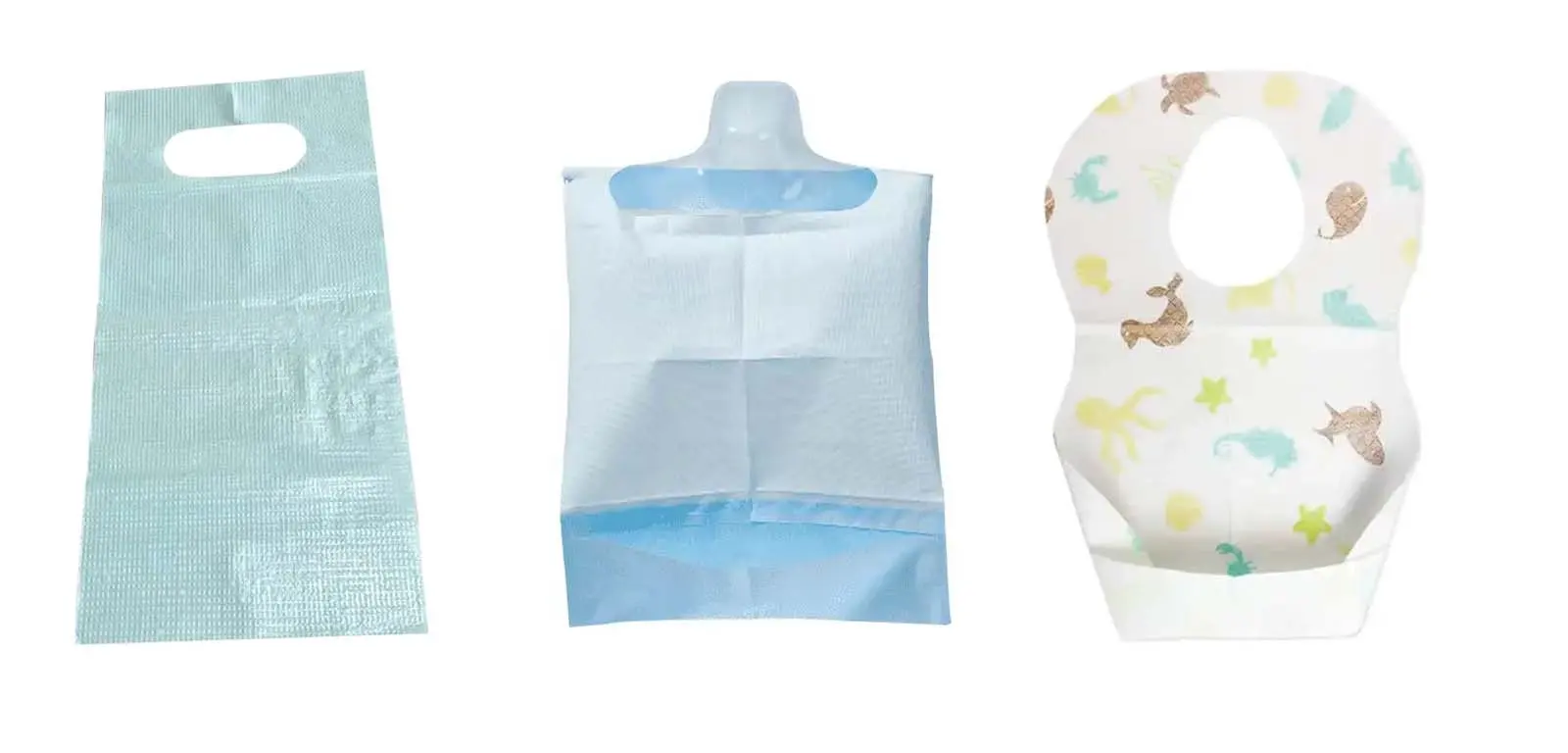
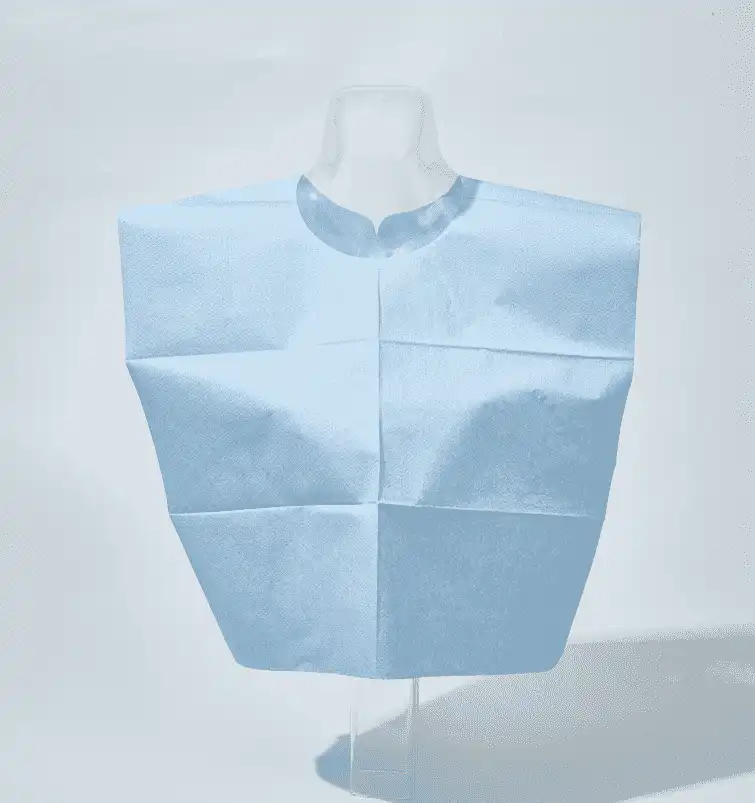
Ensuring a comfortable, hygienic experience is paramount in any dental practice. When patients recline in the chair, a simple yet essential accessory makes all the difference: the disposable protective dental patient apron. Not only does it shield clothing from splashes and spills, but it also reassures patients that their comfort and safety are top priorities. Incorporating Disposable Adult Bibs into your standard treatment protocol elevates the overall patient experience, demonstrating your commitment to both cleanliness and professional care.


As one of the leading Dental Apron Suppliers, Telijie understands the unique demands of busy clinics and high-turnover practices. Our aprons are crafted from lightweight, water-resistant materials that strike the perfect balance between durability and comfort. Unlike heavy, reusable cloth options, these single-use dental patient aprons eliminate the risk of cross-contamination, ensuring that each new visitor receives the same level of pristine protection. Whether it’s a routine cleaning or a more involved procedure, having a reliable Dental Patient Apron on hand streamlines workflow and reinforces best-practice infection control.


Beyond their practical benefits, these patient aprons contribute to a more polished chairside presentation. Their sleek design and gentle texture help patients feel at ease, while hygienists and dentists enjoy quick, uncomplicated apron changes between appointments. Stocking your operatory with high-quality disposable adult bibs also sends a subtle message: your practice invests in top-tier supplies, and every detail—no matter how small—is managed with precision.


When it comes to selecting the right partner for your protective dental supplies, Disposable Protective Dental Patient Apron stands out not only for superior product performance but also for the hallmark service of Telijie. Our dedicated account managers work closely with your team to forecast needs, tailor delivery schedules, and offer flexible ordering options that keep your shelves stocked without excess inventory. From prompt support to customized branding possibilities, Telijie’s full-spectrum service ensures you receive more than just a product—you gain a seamless, client-focused experience that reinforces the quality of care you provide.

Top

Clinical Applications of Vein Finder

1.Venipuncture assistance


Conventional venous puncture、Increase the success rate of puncture

The success rate of traditional puncture (relying on palpation and visual inspection) is approximately 60-75%, while it can be increased to 85-95% after using a vein finder, especially for patients with higher difficulty levels (such as children, the elderly, and obese individuals), the effect is particularly remarkable.

Typical scenarios: blood drawing, intravenous infusion, and placement of indwelling needles.

Reduce complications: Lower the risk of hematoma, nerve damage and infection caused by repeated punctures.

Studies show that after using a vein finder, piercing-related complications are reduced by approximately 40%.

Special patient groups

Pediatric patient

Children’s veins are small and mobile, and traditional puncture may require multiple attempts. Vein finder (can clearly display vein branches and reduce the pain of children patients.)

Obese patients

When the subcutaneous fat layer is relatively thick (>3cm), near-infrared technology can penetrate the fat to locate deep veins (the success rate of traditional methods is only 50%).

For patients in shock or dehydration: When blood vessels collapse, the vein finder can identify veins that are invisible to the naked eye and quickly establish an emergency access.


2. Navigation for surgery and interventional therapy

Vascular surgery assistance

PICC (Peripherally Inserted Central Catheter) :

Accurately select the appropriate vein (such as the precious vein) to avoid mistakenly penetrating arteries or nerves, and the success rate has increased from 75% to over 90%.

Establishment of hemodialysis access: Locate well-functioning veins and prolong the service life of fistulas.

Patients with tumors and undergoing chemotherapy

Protecting vascular resources: Chemotherapy drugs are prone to cause phlebitis. Precise puncture can reduce vascular damage.


3. Emergency and Intensive Care

Rapid establishment of intravenous access: In emergency scenarios (such as cardiopulmonary resuscitation, massive hemorrhage), shorten the puncture time to within one minute.

Difficult intravenous treatment: For burn patients (with skin damage) or those with edema, avoid blind puncture.


4. Management of chronic venous diseases

Varicose vein screening: Evaluate the function of venous valves through dynamic imaging to assist in early diagnosis.

Deep vein thrombosis (DVT) assessment: Some studies have explored the possibility of using a vein finder combined with ultrasound to detect thrombosis (not yet widespread).


5. Special scenario applications

Military and disaster medicine

Battlefield first aid: Portable devices can quickly locate veins in low-light or harsh environments.

Veterinary field

Pet medical care: It is used for venipuncture of animals such as dogs and cats, especially for small dogs or dehydrated animals, with remarkable effects.


6. Medical Education and Quality Control

Training and teaching: Demonstrate the anatomical structure of veins through real-time imaging to reduce the practice mistakes of beginners on real patients.

Operation Record and analysis: Store puncture data for review to enhance the technical proficiency of the team.


Clinical advantages and limitations

Advantages

Non-invasive, real-time imaging

Reduce medical costs (decrease waste of consumables and repetitive operations)

Improve patient experience (reduce pain and anxiety)

Limitations: Technical limitations: The efficacy may decline for patients with extreme obesity (fat layer >5cm) or severe circulatory disorders.


The future direction of clinical development

Fusion with ultrasound: Enhance the imaging capability of deep veins and microvessels.

AI prediction system: Automatically recommend the best puncture path.

Low-cost popularization: Develop a simple version suitable for primary healthcare.


Vein finder has gradually evolved from an "optional tool" to a "clinical necessity", especially showing significant value in enhancing medical safety and efficiency. However, its full-scale popularization still needs to address issues of cost and technical compatibility.


Also welcome to contact us, we are ZD Medical Inc.
Tel : +86-187 9586 9515
Email : sales@zd-med.com
Whatsapp/Mobile : +86-187 9586 9515

Top

How Much Does a Vein Finder Cost?

1. Basic type (Portable/Handheld)


Price range: $500 - $2,500

Suitable for small clinics, home care or occasional use.

Function: Basic infrared imaging, suitable for general vein location.


2. Mid-range type (Enhanced portable/desktop type

Price range: $2,500 - $6,000

It is suitable for hospitals, emergency rooms or institutions with frequent venipunctions.

Functions: Higher resolution, AI-assisted recognition, suitable for patients with dark skin or obesity.


3. High-end type (Medical grade/Fixed type)

Price range: $6,000 - $15,000+

It is suitable for large hospitals, surgical centers or research institutions.

Functions: 3D imaging, real-time dynamic tracking, integrated electronic medical record (EMR) system.


4. Low-cost alternative solutions

Price range: $100 - $500

It is suitable for individuals or small institutions with limited budgets.

Function: Simple infrared or LED transmission, with relatively low precision.


Key factors influencing prices:

  1. Technology type:

    Infrared imaging vs. Ultrasound vs. Multispectral imaging.
  2. Applicable population:

    Children, people with dark skin or obesity need more precise equipment.
  3. Additional Functions:

    Wireless connection, data storage, AI-assisted analysis, etc. will increase costs.
  4. Brand and Certification:

    FDA/CE certified brands (such as AccuVein and Christie) are more expensive than uncertified products.


    Also welcome to contact us, we are ZD Medical Inc.
    Tel : +86-187 9586 9515
    Email : sales@zd-med.com
    Whatsapp/Mobile : +86-187 9586 9515

Top

Latest Research and Trends in Vein Finder Technology

Vein finder, as an important auxiliary tool in the modern medical field, has made remarkable progress in both technology and application in recent years. This article will delve deeply into the latest technological developments, market dynamics, clinical application trends, and future innovation directions of vein finder devices. From near-infrared imaging to artificial intelligence algorithms, from portable design to multimodal fusion, vein finder technology is undergoing a profound transformation, bringing revolutionary improvements to the quality and efficiency of medical care. We will analyze the advantages and disadvantages of the current mainstream technology routes, examine the global market landscape and growth drivers, and look forward to possible breakthrough innovations in this field, providing comprehensive industry insights for medical professionals, researchers and investors.

The latest advancements in vein finder technology:
Vein finder technology has made breakthrough progress in recent years, mainly reflected in three aspects: imaging accuracy, intelligence and multi-functional integration. The current mainstream technical routes include various methods such as near-infrared (NIR) imaging, multispectral imaging, laser projection, and ultrasonic testing. Each technology has its unique advantages and application scenarios.

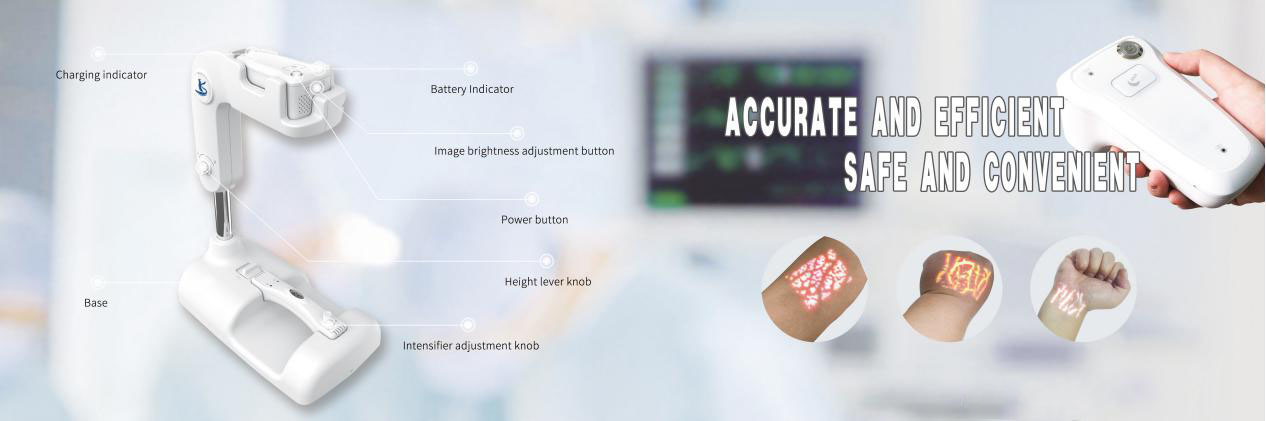
In particular, the new generation system of ZD Medical Company, through the combination of multispectral imaging technology and AI algorithms, has significantly enhanced image resolution, enabling clear display of the direction, depth and branches of subcutaneous veins, and greatly improving the recognition ability of small and fragile blood vessels.

The introduction of artificial intelligence algorithms is one of the most significant advancements in current vein finder technology. Advanced deep learning models can automatically mark the best puncture points, reduce human errors, and adapt to patients of different skin colors and constitutions through continuous learning.

Real-time dynamic tracking function has become a standard feature of high-end products. Unlike traditional static imaging, the new generation of systems can display the changes in vascular status in real time, which is of great significance for monitoring the infusion process and evaluating vascular function. Some high-end models, such as Vein Finder System, have been able to quantify vascular elasticity and calcification degree, providing early screening functions for patients with chronic diseases.

In terms of portability, the market trend is clearly moving towards miniaturization and wireless development. The market share of handheld vein finder devices has exceeded 60%, and their lightweight design supports bedside, on-site and even battlefield use. Some models can even be integrated into mobile medical vehicles or drone first aid kits, greatly expanding the application scenarios. It is worth noting that the emergence of wearable vein detection devices represents the latest trend. Near-infrared technology has been integrated into smart glasses and wrist-worn devices, enhancing mobility and real-time usage capabilities in emergency situations


Also welcome to contact us, we are ZD Medical Inc.
Tel : +86-187 9586 9515
Email : sales@zd-med.com
Whatsapp/Mobile : +86-187 9586 9515

Top