Active B12 (Holo-TC) Testing Solutions for Clinical Laboratories and POCT

1. Function of Active B12

Active B12, or holo-transcobalamin (holoTC), is the only biologically active form of vitamin B12 that can be absorbed by cells. It plays a direct role in cellular metabolism, particularly in maintaining nervous system function and red blood cell production. Compared to total B12 testing, Active B12 provides a more accurate snapshot of current physiological status and serves as a sensitive early marker of vitamin B12 deficiency.

2. Testing Methods

Common methods for Active B12 assay testing include:

  • ELISA / EIA (Enzyme Immunoassay) – e.g., Axis-Shield’s Active-B12 assay, which captures holoTC with specific antibodies and quantifies it using colorimetric detection (with chemiluminescent variants also available).
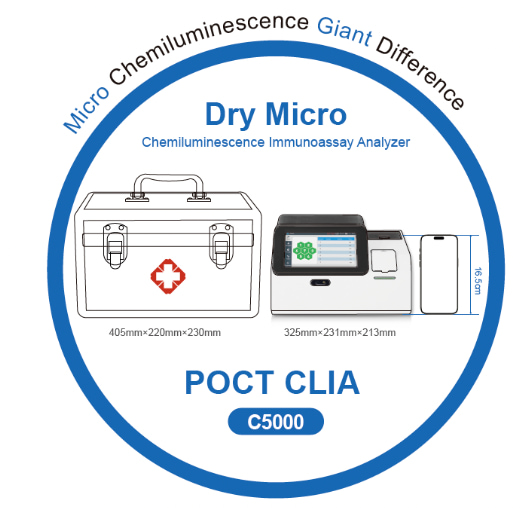
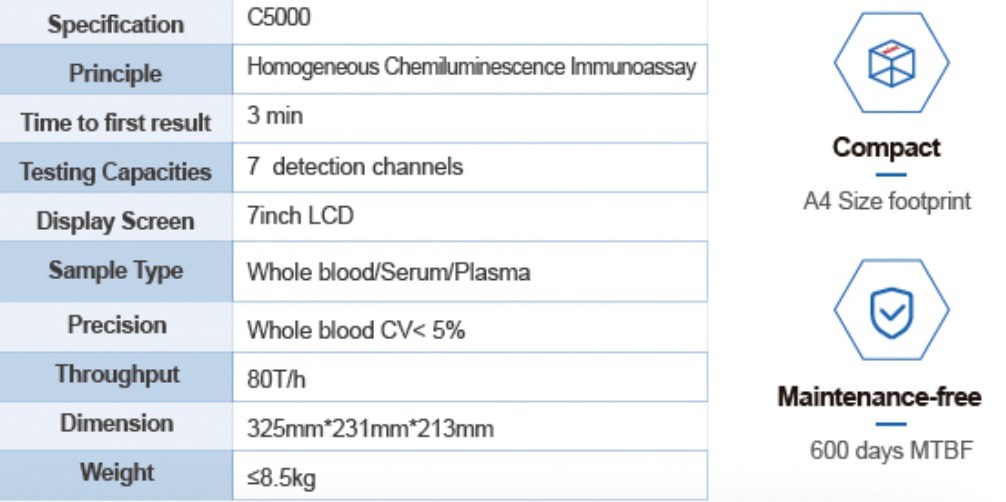
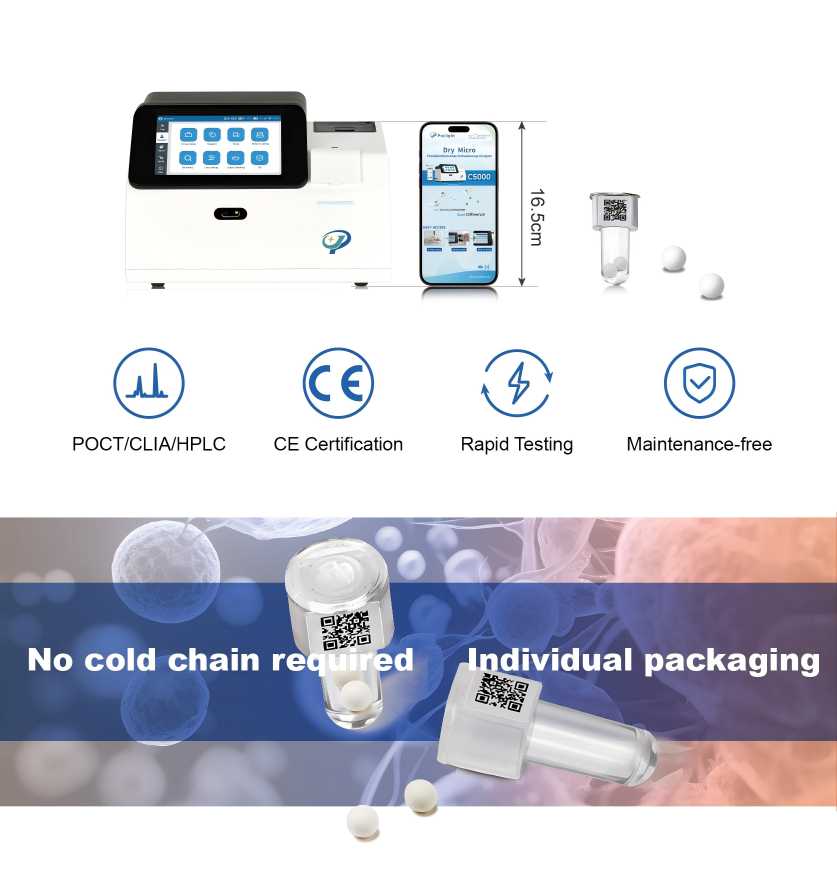
  • CLIA (Chemiluminescence Immunoassay) –e.g., Poclight’s POCT CLIA system C5000 offers high throughput and rapid turnaround on automated analyzers, making it well-suited for clinical laboratories and POCT settings .


3. Clinical Applications

Active B12 testing(HoloTC) for diagnosing vitamin B12 deficiency enables earlier detection of B12 deficiency than total B12 measurement, helping prevent related complications such as anemia, neurological disorders, cognitive decline, and adverse pregnancy outcomes. Studies have demonstrated higher sensitivity and specificity for holoTC, especially in patients with normal renal function.

Differences between activeB12 and totalB12

4. Market Size and Pricing

Market size – The global Active B12 testing market was valued at approximately USD 216.7 million in 2023 and is projected to reach around USD 2.05 billion by 2033, with a CAGR of about 6.1% .

Pricing reference – In the UK, total B12 tests cost around £10–15 per test in NHS laboratories. Active B12 assays (e.g., ARCHITECT Active-B12) are priced higher due to their enhanced accuracy and specialized reagents. The Poclight C5000 provides equally fast and accurate Active B12 results at a much lower cost, making it a smart choice for laboratories.

5. Regional Demand Distribution

North America – Holds the largest share at approximately 41.7%, driven by rising awareness of micronutrient diagnostics, precision medicine adoption, and modernized lab infrastructure.

Other high-growth regions – Asia-Pacific and Europe are experiencing rapid uptake, supported by increasing demand for early disease screening and improved access to diagnostic technology.

6. Poclight C5000 – Active B12 Testing Made Simple and Accessible

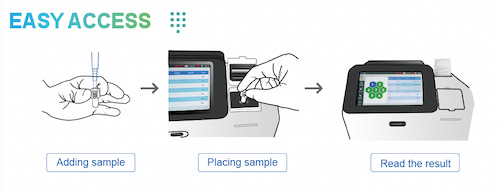
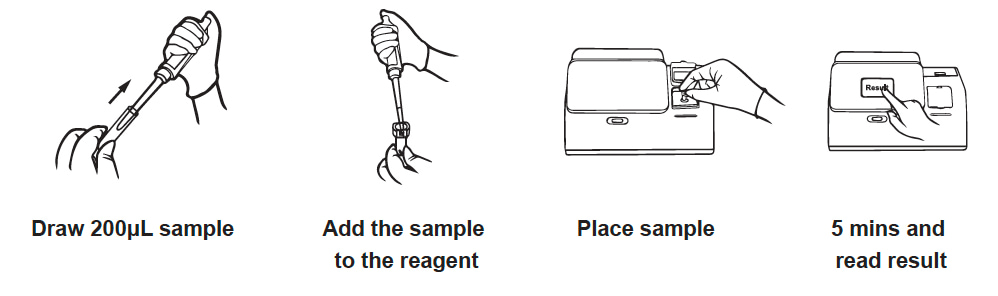
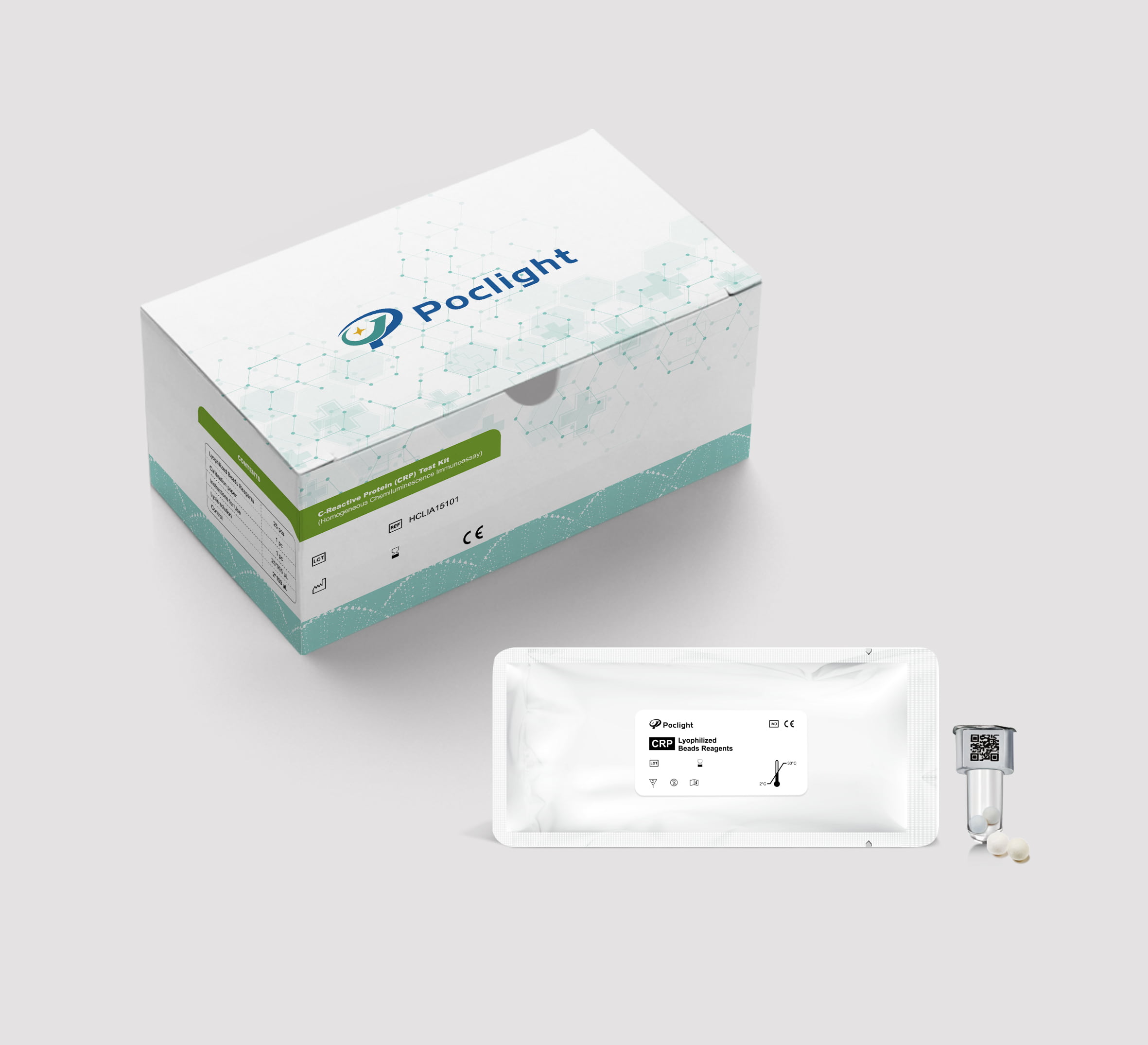
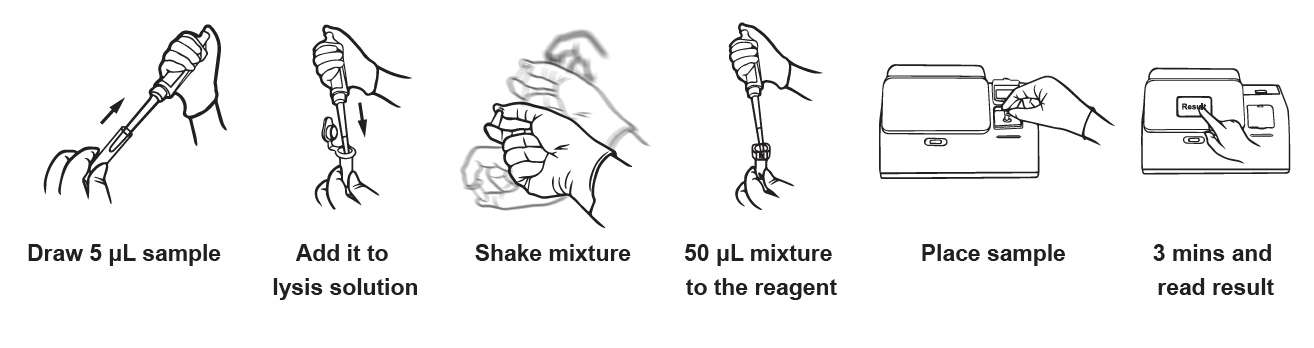
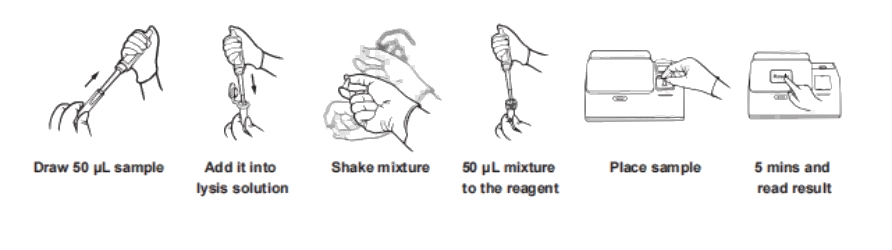
With no cold chain required, Poclight’s Active B12 reagents make testing easy, portable, and cost-efficient. The CLIA POCT C5000 system supports both serum and plasma samples, delivering accurate results in just 15 minutes. Operation is straightforward—only four steps to completion—allowing even small or remote clinics and laboratories to perform high-quality testing. Its compact design ensures it fits seamlessly into limited spaces, bringing reliable Active B12 diagnostics within reach, anywhere.

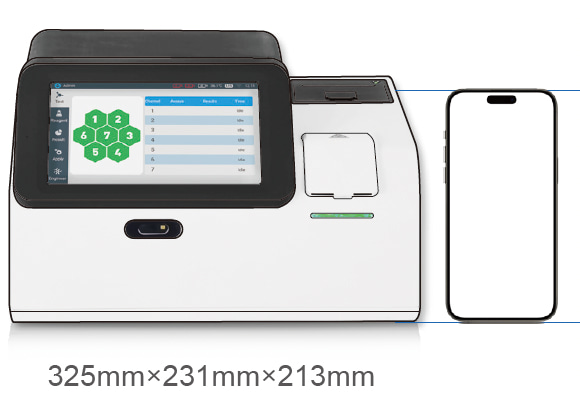
Poclight POCT CLIA C5000

Top

Empower Your Clinical Lab With Compact Chemiluminescence immunoassay technology (CLIA)

Chemiluminescence immunoassay (CLIA) has gradually expanded from tertiary hospitals into specialized departments and primary care settings. With its high sensitivity, specificity, and automation potential, CLIA is rapidly replacing traditional ELISA as the mainstream immunoassay method in developed markets such as Europe and the United States.


1. Why Poclight compact CLIA is a Game-Changer

Rapid Turnaround: From Sample to Result in Minutes

Unlike conventional systems that require batch processing and long incubation, POCT CLIA system offer test results in as little as 10 minutes, ideal for emergency rooms, ICUs, and point-of-care use.


Lab-Grade Accuracy, Miniaturized

Backed by latest technology CRET technology, optimized chemiluminescent reagents, and advanced signal processing, portable CLIA platforms maintain sensitivity and specificity on par with large-scale lab systems, supporting reliable CLIA diagnosis at the bedside or in rural clinics.


All-in-One Automation: Mix, detect

Modern CLIA analyzers are equipped with automated mixing, and detecting without a complex liquid circuit—minimizing contamination and consumable costs.


Cost-Effective Operation

Designed to work without cold-chain reagents and bulky hardware, mini CLIA system slower total cost of ownership, supporting both public health deployments and private clinical settings.


2. Use Case Scenarios

Emergency Departments & ICUs

Where every second counts, rapid, on-site testing for cardiac markers, infection indicators, or hormones can guide life-saving decisions without waiting for central lab results.


Community Clinics & Primary Care

In rural or suburban clinics, mini CLIA enables lab-quality results for chronic disease management and preventive screenings without requiring advanced lab infrastructure.


Mobile Labs & Emergency Response

Disaster relief, remote field hospitals, and medical vehicles benefit from battery-powered, compact  diagnostic units that are easy to deploy and operate on the move.


Global Health Missions

Organizations working in low-resource countries can rely on CLIA systems for affordable, high-quality testing across multiple disease categories—improving equity in diagnostics.


3. Global Market Landscape

According to Grand View Research, the global POCT market is expected to exceed USD 57 billion by 2030, growing at a CAGR of over 10%. CLIA is emerging as a high-growth subsegment within this space.

  • Latin America: Rising healthcare investments and remote populations create strong demand for compact  diagnostics.
  • Southeast Asia: Aging populations and government-driven decentralization initiatives open vast market opportunities.
  • Africa: Diagnostic access in rural areas is critical for combating infectious and chronic diseases—compact  CLIA fits this need precisely.
  • North America & Europe: While centralized labs dominate, compact systems fill critical gaps in emergency and home testing scenarios.


4. Evolving Toward Smarter and Higher Throughput Solutions

With the rising demand for interoperability, digital health, and cloud connectivity,  CLIA systems are evolving into intelligent platforms. Poclight is enhancing its system software to optimize module coordination, improve operational efficiency, and enable features like remote monitoring, QC tracking, and centralized data sharing.


5. Discover the Future of Decentralized Diagnostics with Poclight

Whether you're looking to expand testing capacity in small labs, bring high-quality diagnostics to remote areas, or streamline operations in emergency settings — Poclight’s POCT chemiluminescence systems C5000 offer the ideal solution. With cutting-edge automation, cost-efficient design, and a growing assay menu for clinical testing, we help healthcare providers deliver faster, more accurate, and more accessible diagnostics.


Connect with us today to learn how Poclight can support your diagnostic needs — from OEM/ODM partnerships to ready-to-deploy solutions tailored to your market.

Top

How to Choose the Right Vitamin D Assay for Your Lab?

Vitamin D plays a critical role in maintaining bone health, supporting immune function, and reducing inflammation. With growing awareness of vitamin D deficiency and its health implications, more people are seeking ways to accurately check their vitamin D levels.


1. Why Test for Vitamin D?

  • Vitamin D deficiency is surprisingly common, especially in individuals who:
  • Spend limited time outdoors
  • Live in areas with limited sunlight
  • Follow vegan diets or have digestive conditions
  • Are elderly, obese, or have darker skin
  • A deficiency in vitamin D can lead to:
  • Osteomalacia or rickets (soft bones)
  • Increased risk of fractures
  • Weakened immune response
  • Muscle weakness and fatigue

Routine testing is essential for at-risk individuals or anyone wanting to optimize their long-term health.


Vitamin D application

2. Common Types of Vitamin D Tests

There are two primary forms of vitamin D that can be measured in the blood:

Test Name

What It Measures

Pros

Cons

25-hydroxyvitamin D [25(OH)VD]

The main circulating form

Gold standard for assessing deficiency

May not reflect real-time biological activity


1,25-dihydroxyvitamin D [1,25(OH)₂D]

The active hormone form

Useful in specific diseases (kidney issues)

Not recommended for general screening

Among these, 25(OH)VD is the preferred and most reliable marker for evaluating vitamin D status.


3. Testing Technologies: Which Is Most Accurate?

Vitamin D levels can be tested using various technologies:

Technologies

Principle:

Pros

Cons

 Immunoassays (e.g., CLIA – Chemiluminescence Immunoassay)

Detects 25(OH)VD through a highly sensitive reaction between antigens and antibodies.


Fast, automated, cost-effective, widely used in clinical laboratories.

Conventional analyzers often require large spaces and significant investment.

LC-MS/MS (Liquid Chromatography–Mass Spectrometry)


Very accurate, can detect multiple forms of vitamin D.

Expensive, requires specialized equipment and skilled technicians.

 Home Test Kits


Convenient, no lab visit needed.

Limited accuracy, inconsistent quality, often based on dried blood spot collection.


Compared to other methods, CLIA-based 25(OH)VD testing stands out by offering the best combination of clinical accuracy, affordability, and accessibility.

Poclight offer a compact and efficient chemiluminescence immunoassay system C5000 designed to provide rapid and accurate vitamin D results.

Based on CRET technology (Chemiluminescence Resonance Energy Transfer), Poclight Delivers results within 10 minutes, ideal for point-of-care testing. Compact size: A4 footprint, weighs only 7kg, affordable for most clinics and laboratories; Lyophilized reagents, no cold chain required–easy global shipment;CE-marked and suitable for international OEM/ODM collaboration.Our system enables clinics, laboratories, and primary care facilities to perform reliable testing even in decentralized or resource-limited settings.

If you're wondering which test is the most accurate for detecting vitamin D deficiency, the answer is clear:Test the 25(OH)VD level using a high-quality, standardized CLIA method.With Poclight’s chemiluminescence technology, you can trust the results–whether you're a healthcare provider or a distributor seeking advanced, compact diagnostic solutions.


4. Want to Learn More?

Contact us to learn how our vitamin D testing system can support your clinical or commercial needs.

Download our product brochure or request a live demo.


Top

One Stop Medical Solution Veterinary & Human High Quality China Lab Semi-Auto CLIA Analyzer

Clinics and laboratories are constantly seeking diagnostic equipment that is efficient, accurate, and space-saving. Poclight's Semi-Automated CLIA Analyzer is a true game-changer for both veterinary and human applications, delivering powerful testing capabilities in an ultra-compact design — manufactured in China under high-quality standards.

POC immunoassay analyzers

This compact, high-performance poct clia analyzer is designed for versatility across a wide range of clinical settings—from hospitals and outpatient labs to veterinary clinics and mobile diagnostic units. Combining innovation with thoughtful engineering, it offers outstanding performance in a remarkably small footprint.

Key Product Features:

  • Ultra-Compact Design
    The analyzer is impressively space-efficient, occupying no more than the area of a standard A4 sheet. It easily fits on any benchtop, making it ideal for small laboratories or facilities with limited space.

  • Rapid Turnaround Time
    With a fast detection process, the first test result is available in just 3 minutes. This rapid performance helps healthcare providers make timely decisions, especially in urgent environments.

  • Lyophilized Reagents, No Cold Chain Required
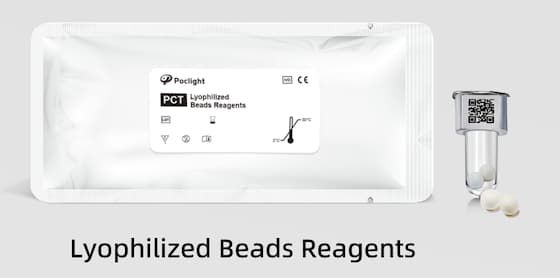
    Reagents are supplied in lyophilized (freeze-dried) bead form, eliminating the need for cold chain logistics. This not only reduces shipping and storage costs but also enhances the product’s accessibility and shelf-life.

  • No Washing, No Separation – Just Accurate Results
    Utilizing the latest advancements in CLIA technology, the system is completely wash-free and separation-free. This simplifies operation, reduces the risk of contamination, and ensures highly accurate, reliable results with minimal maintenance.

  • Single-Use Reagent Format
    Reagents are packaged per test, minimizing waste and maximizing cost-efficiency. This format is ideal for laboratories with variable test volumes or for those focused on inventory control.

  • OEM-Friendly for Brand Customization
    The analyzer supports full OEM customization, allowing partners to tailor the system’s appearance, interface, and packaging to match their brand identity or regional market needs.


This semi-auto CLIA analyzer is more than a product—it’s a complete diagnostic solution. Compact, fast, and cost-effective, it meets the growing demand for flexible, high-quality testing in both human and veterinary fields. 


Top

How does Optical Coherence Tomography reduce motion artifacts?

1.Improvements at the hardware level


(1) Increase the scanning speed

Frequency domain OCT (FD-OCT) : Compared with time domain OCT (TD-OCT), FD-OCT has A faster scanning speed (up to tens of thousands to hundreds of thousands of A-scans per second), significantly reducing artifacts caused by patients’ minor movements (such as eye tremors and breathing).

Swept-frequency OCT (SS-OCT) : By rapidly tuning the laser light source to achieve high-speed scanning, it further shortens the single imaging time.

(2) Eye-tracking system

Real-time active tracking: In ophthalmic OCT, infrared cameras or pupil tracking technology (such as Zeiss’s Follow-Up Mode) are integrated to dynamically adjust the scanning position to compensate for eye movement.

Adaptive scanning: Adjust the scanning path based on real-time tracking data to avoid image shift caused by sudden movement of the patient.

(3) Probe stability design

Handheld OCT: For non-cooperative patients (such as children and Parkinson’s disease patients), lightweight probes or head fixation devices (such as jaw supports) are used.

Contact OCT: In intravascular OCT (IVOCT), the movement caused by heartbeats or breathing is reduced by touching the vessel wall through a catheter.


2. Correction of software algorithms

(1) Image Registration

Feature point matching: Align B-scan images from multiple scans using stable anatomical structures in the image (such as retinal vascular bifurcations).

Registration based on mutual information: Motion compensation is achieved by maximizing the similarity index between images (such as normalized mutual information).

(2) Motion detection and rejection

Abnormal frame detection: Identify invalid frames caused by intense movement (such as signal loss and distortion) and eliminate them during reconstruction.

Dynamic weighted average: Weights are assigned to images scanned multiple times (frames with smaller motion have higher weights), and the influence of random motion is reduced after fusion.

(3) Deep learning for artifact removal

Generative Adversarial networks (Gans) : Train models to restore clear structures from motion-degraded images (such as Artifact-Net).

Time series prediction model: Utilizing networks such as LSTM to predict eye movement trajectories and correct scanning positions in advance.


3. Optimization of operation processes

(1) Patient preparation

Fixed position: During ophthalmic examinations, use a head support and a forehead support, and remind the patient to avoid speaking or swallowing.

Shorten the time of a single scan: Prioritize small-area high-definition scanning (such as 5× 5mm instead of 12× 12mm) and complete large-area imaging in different regions.

Anesthesia or sedation: In animal experiments or pediatric examinations, surface anesthesia (such as in ophthalmology) or mild sedation may be used when necessary.

(2) Scanning strategy

Repeated scanning: Collect multiple sets of data from the same area and improve the signal-to-noise ratio through software fusion.

Orthogonal scanning: Scan the same area from a vertical direction (such as horizontal + vertical) to cross-verify the influence of motion.

(3) Real-time feedback

Operator monitoring: Observe real-time images during the scanning process. If motion artifacts are detected, immediately pause and re-scan.

Patient cooperation prompt: Guide the patient to remain stable through the gaze light or voice prompt (such as “Please gaze at the green light flashing”).


4. Solutions for special scenarios

Cardiovascular OCT (IVOCT)

Trigger the scan synchronously with the electrocardiogram (ECG), avoiding the cardiac pulsation period (collection during the diastolic period).

Use rapid withdrawal catheters (such as 20 mm/s) to reduce the impact of vascular displacement.

Intraoperative OCT

Combine the navigation system (such as neurosurgical robots) to update the scanning position in real time.

Non-contact probes are adopted to avoid interference from instruments.


Also welcome to contact us, we are ZD Medical Inc.
Tel : +86-187 9586 9515
Email : sales@zd-med.com
Whatsapp/Mobile : +86-187 9586 9515


Top

Who is Vein Finder suitable for?

1. Patients with difficulty in venipuncture


Typical population

Obese people (with thick subcutaneous fat layers and deeply hidden veins).

Infants and children (with thin blood vessels and low cooperation).

The elderly (with poor vascular elasticity and prone to rolling).

Patients who have received long-term intravenous infusion or chemotherapy (with hardened blood vessels and many scars).

Scene value

Reduce the number of repeated punctures (for example, from an average of 3 to 1) to lower the patient’s pain and the risk of complications (such as hematoma).


2. People with dark skin

Problem: Traditional visual/touch methods have difficulty locating veins in dark skin.

Technical adaptation

Choose multi-wavelength Vein Finder (for example, 850nm infrared light has better penetration).

Contrast adjustment function (such as the “Dark Skin Mode” of VeinViewer).


3. Emergency and critically ill patients

Applicable scenarios

Patients with shock/dehydration (vascular collapse).

Rescue for massive hemorrhage (rapid establishment of intravenous access is required).

Case: The emergency department uses AR projection devices (such as AccuVein) to locate the external jugular vein within 5 seconds.


4. Patients with chronic diseases and special treatment needs

Diabetes: Monitor the condition of blood vessels on the back of the hand/foot to prevent ulcers.

Hemodialysis: Protect the fistula and prevent accidental puncture.

Blood transfusion/plasma exchange: Ensure the precise establishment of high-flow pathways.


5. Areas with insufficient medical resources

Primary clinics: Making up for the lack of experience among medical staff.

Battlefield/Disaster rescue: Rapid operation under poor lighting and rudimentary equipment conditions.


6. Users outside the medical field

Veterinarian: Intravenous infusion for pets (such as the ear vein of cats and dogs).

Tattoo artist/beautician: Avoid injecting fillers into blood vessels or getting tattoos.

Medical student teaching: Vascular anatomy visualization teaching AIDS.


Also welcome to contact us, we are ZD Medical Inc.
Tel : +86-187 9586 9515
Email : sales@zd-med.com
Whatsapp/Mobile : +86-187 9586 9515

Top

Enhance Patient Comfort and Safety with Premium Paper Apron Solutions

In today’s fast-paced dental practices, ensuring both hygiene and patient comfort is paramount. A reliable Paper Apron serves as the first line of defense against spills and splashes, keeping gowns and clothing spotless during procedures. Available in two superior materials—durable paper film and soft non-woven fabric—these aprons offer an ideal combination of protection and breathability for every patient.


Dental professionals know the importance of a well-fitting Dental Apron. Our factory-customizable sizes mean you can choose the perfect dimensions to suit pediatric, adult, or specialty cases. Whether you prefer the moisture-resistant strength of paper film or the gentle touch of non-woven fabric, our products adapt seamlessly to your clinic’s needs without compromising on safety standards.


When efficiency matters, a Disposable Apron simplifies workflow and minimizes cross-contamination risks. After a single use, you can simply discard the apron, reducing laundering costs and freeing up your team to focus on patient care. Plus, our eco-friendly materials ensure responsible disposal without harming the environment.


By integrating our custom-sized, high-quality aprons into your practice, you demonstrate a commitment to both professionalism and patient well-being. Every aspect—from material selection to packaging—has been optimized for ease of use, so you can maintain a smooth, hygienic operation from check-in to check-out.


At Paper Apron, we pride ourselves not only on delivering top-tier Paper Apron products but also on the exceptional service ethos to Telijie. Our dedicated team offers personalized support, rapid turnaround on custom orders, and comprehensive after-sales care to ensure your clinic never runs low on essential supplies. Choose Telijie for a partnership that elevates your practice’s safety, efficiency, and reputation.

Top

Why SPA Disposable Nonwoven Rolls Are Your Go-To Massage Bed Paper Roll and Disposable Bed Sheets Solution

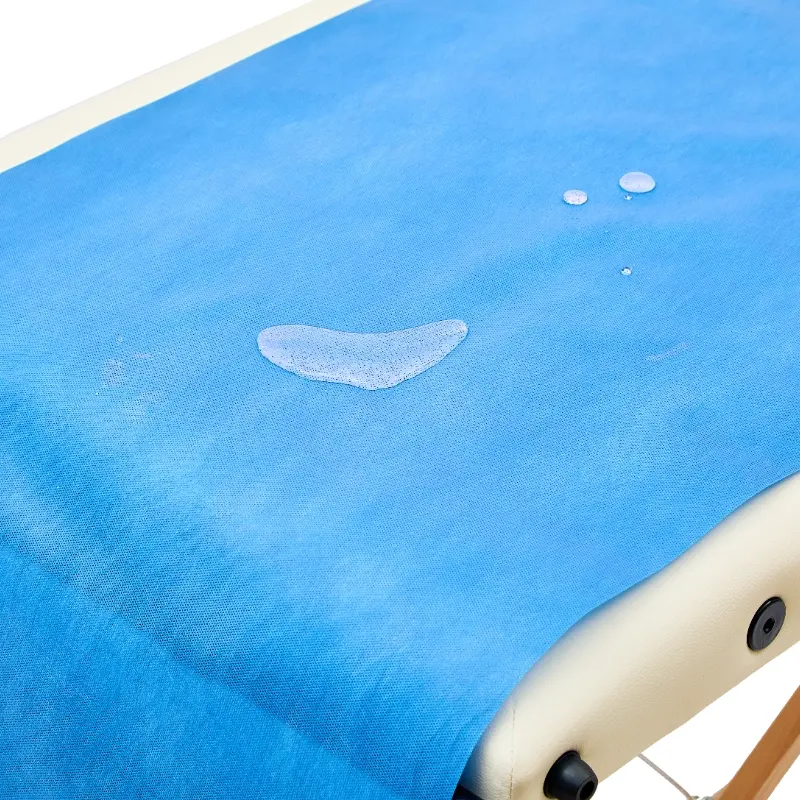
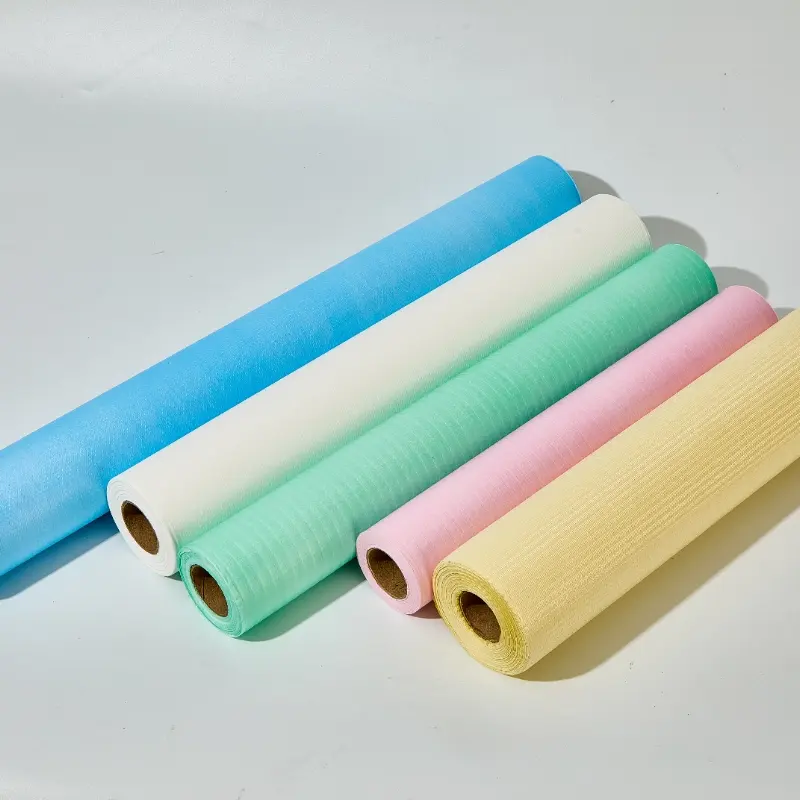
When it comes to maintaining the highest standards of hygiene and comfort in your spa or wellness center, choosing the right supplies makes all the difference. SPA Disposable nonwoven rolls offer a soft, durable barrier that keeps your massage tables and treatment beds impeccably clean between clients. Designed for spas, salons, and medical practices, these rolls ensure your space looks professional and inviting without the hassle of laundering fabric sheets.


Beyond their hygienic appeal, SPA Disposable nonwoven rolls excel in comfort and strength. Unlike traditional paper rolls that can tear or wrinkle, our massage bed paper roll is crafted from premium nonwoven fibers, providing a smooth, tear-resistant surface that won’t bunch up during treatments. Clients appreciate the gentle feel against their skin, while therapists enjoy the ease of unrolling and tearing off perfectly straight sheets—every time.


Versatility is another hallmark of our SPA Disposable nonwoven rolls. Whether you need full-length disposable bed sheets for facial beds, massage tables, or treatment chairs, one roll caters to all. The generous width and customizable length let you cover any surface quickly, saving time on setup and cleanup. Plus, these rolls are fully biodegradable, striking the perfect balance between operational efficiency and eco-friendly practice.


At Telijie, we understand that exceptional products deserve exceptional service. As the leading provider of SPA Disposable nonwoven rolls, we not only guarantee top-quality materials but also a streamlined ordering process, fast delivery, and responsive customer support. Our commitment to your satisfaction means you can focus on delivering outstanding care to your clients while we handle the rest.


Experience the difference that premium supplies and unparalleled service can make. Choose SPA Disposable Nonwoven Rolls** for your massage bed paper roll and disposable bed sheets needs—and let Telijie elevate your spa’s professionalism today.

Top

How does the Table Stand Enhanced Vein Finder work?

I. Core Technical Principles


Near-infrared imaging (NIR Technology)

The absorption characteristics of hemoglobin: Deoxyhemoglobin in veins has a higher absorption rate for near-infrared light of specific wavelengths (typically 700-900nm) than that in surrounding tissues.

Reflection difference imaging: The device emits near-infrared light onto the skin, and the camera captures the reflection signal. Through algorithms, the veins are contrasted and enhanced with the surrounding tissues to form a clear image.

Multispectral imaging (optional technology)

Some high-end devices combine visible light and near-infrared light and adapt to different skin tones (such as patients with dark skin) through multispectral analysis.

AI image processing

Edge enhancement algorithm: Highlighting vein contours and reducing noise interference.

Depth prediction: Estimate the depth of veins through reflection intensity to assist in locating deep veins.

Flexible Table Stand Vein Finder

Ii. Enhanced Features of Desktop Design

Stable projection system

Fixed projector: Avoid the shaking of  handheld devices Vein Finder and precisely project vein images onto the skin surface (such as green/red contours).

Adjustable stand: Freely adjust the height and Angle to fit different parts such as the arm, back of the hand, and foot.

High-precision camera

Equipped with high-resolution sensors, it captures subtle vascular signals in real time and, in combination with the optical zoom function, magnifies local areas.

Environmental adaptability

Automatic calibration: Dynamically optimize imaging parameters based on ambient light and skin color.

Anti-interference design: Reduce the influence of surgical lamps or other light sources on imaging.


Iii. Work Process (Taking Blood Drawing as an Example)

Step 1: Patient localization

The patient placed his arm flat under the device and kept it stable.

Step 2: Quick scan

The device emits near-infrared light, generating a vein distribution map within 1-2 seconds and projecting it in real time.

Step 3: Vascular selection

Medical staff select the best puncture site (such as thick, straight, and unbifurcated veins) through screen or projection markers.

Step 4: Precise puncture

Puncture is completed under the guidance of venous projection, reducing the number of blind explorations.


Also welcome to contact us, we are ZD Medical Inc.
Tel : +86-187 9586 9515
Email : sales@zd-med.com
Whatsapp/Mobile : +86-187 9586 9515

Top

levating Clinical Hygiene with Premium Medical Hand Paper

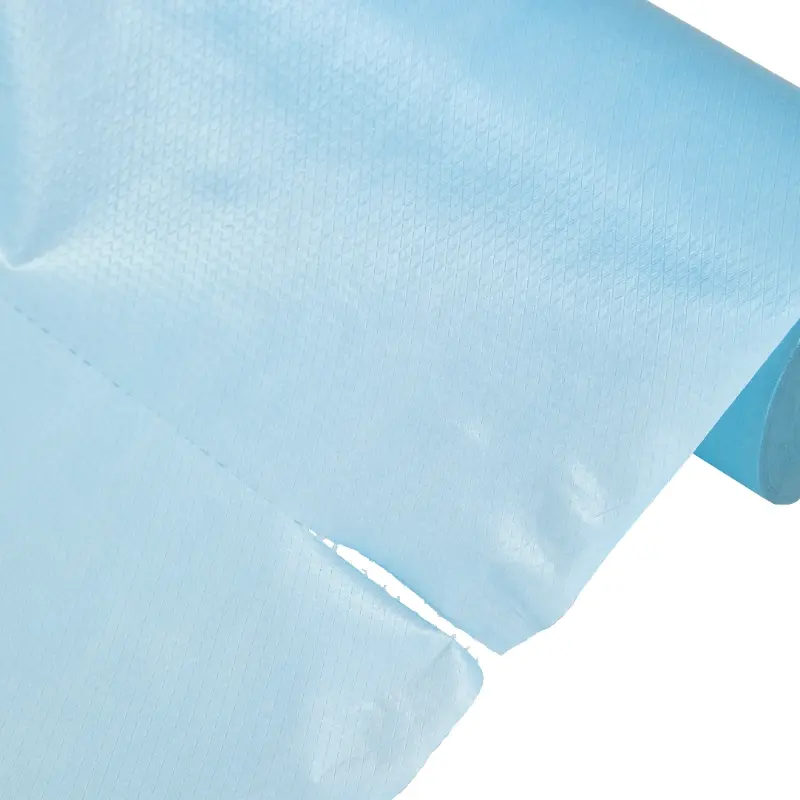
In modern healthcare environments, maintaining impeccable hand hygiene is paramount. That’s why our Medical Hand Paper brings together superior functionality and eco-friendly design, ensuring medical professionals can focus on patient care without compromise. Crafted from pure wood pulp paper reinforced with a discreet scrim grid, this innovative material offers both strength and sustainability—qualities no clinic should be without.


Each sheet of our Medical Hand Paper delivers exceptional absorbency, handling oil and water spills with ease. Unlike ordinary tissues, the advanced composition of our Surgical Hand Paper ensures it remains intact even when wet, providing reliable performance during critical procedures. This scrim reinforcement not only enhances tear resistance but also maintains a lint-free surface, reducing the risk of contamination in sterile settings.


Beyond the operating room, our Scrim Reinforced Hand Paper proves indispensable across a range of medical applications. From emergency wards to outpatient clinics, its eco‑friendly, biodegradable nature aligns with hospital sustainability goals while its robust durability meets rigorous daily demands. Healthcare teams appreciate how quickly it soaks up fluids without shredding, making restocking hassle‑free and cost‑effective.


At the heart of every roll is the Telijie commitment: timely delivery, customizable options, and dedicated after‑sales support. When you choose our Medical Hand Paper, you’re not just investing in a superior product—you’re partnering with a service‑driven team ready to tailor solutions for your facility’s unique needs. Experience the difference of Telijie’s expertise and elevate your hygiene standards today.

Top