Accurate 25-OH Vitamin D Assessment with Poclight CLIA Assays


1. Why 25-OH Vitamin D Matters


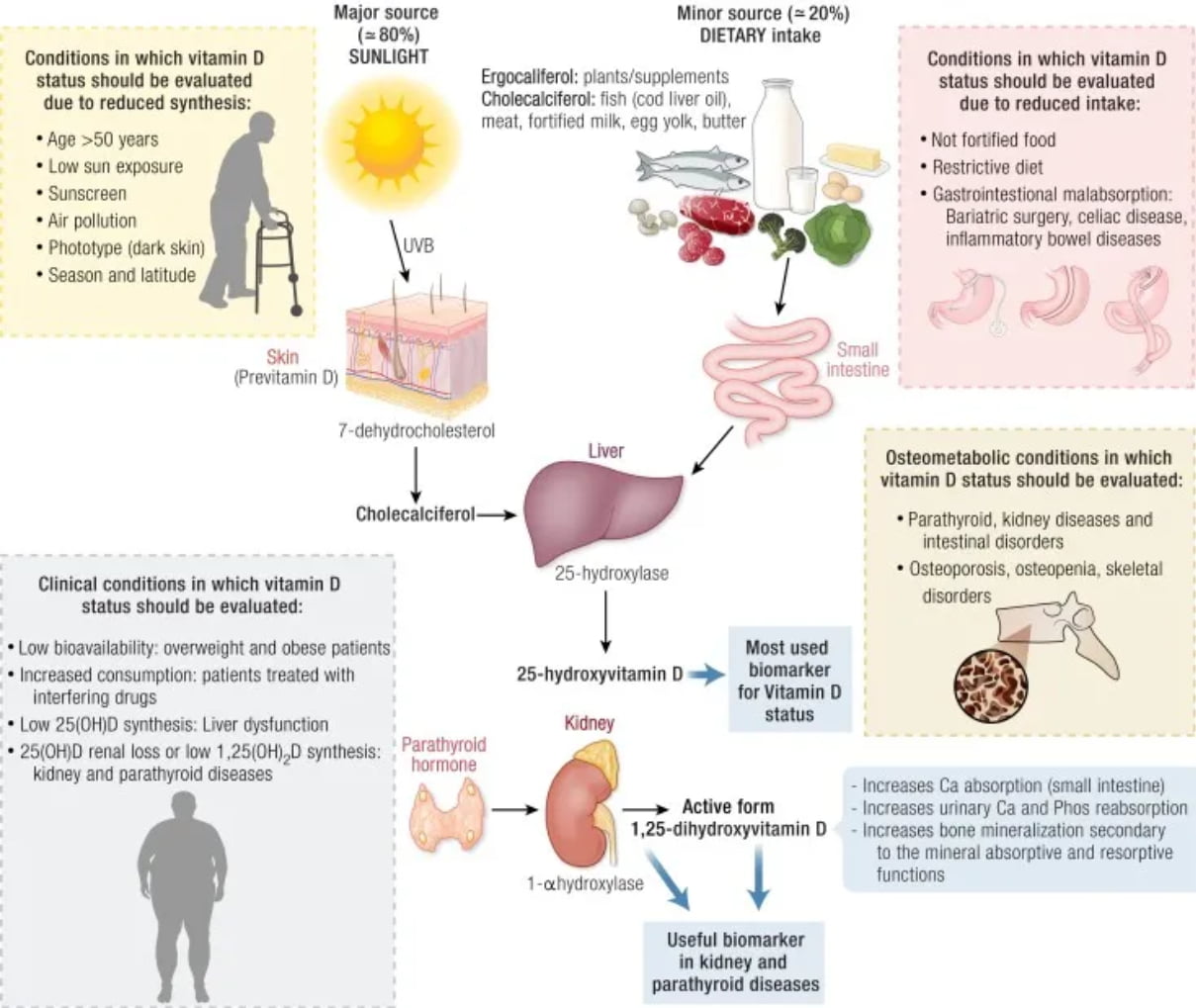
The main physiological role of vitamin D and its metabolites is to maintain normal blood calcium and phosphorus levels, to ensure bone health and normal neuromuscular function.


25-Hydroxy Vitamin D is the main storage form of vitamin D in the human body, and the detection of serum 25-Hydroxy VD level has been recognized as the most reasonable indicator to reflect the status of vitamin D.


Clinically, 25-hydroxyvitamin D is the preferred indicator because:

● It reflects combined effects of sunlight, diet, and supplements

● It is stable in serum and plasma

● It reliably shows long-term vitamin D reserves


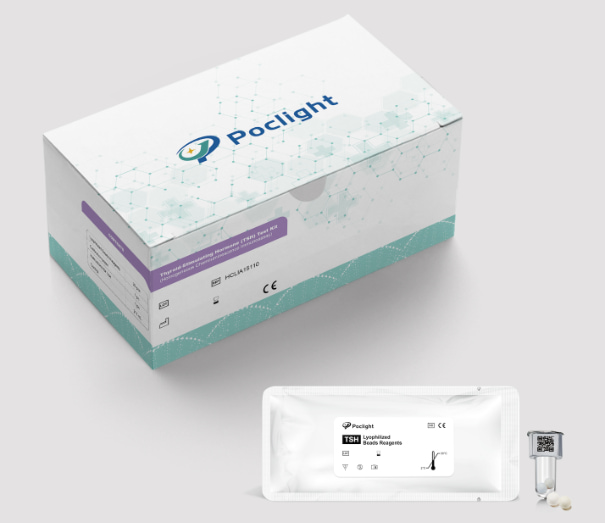
25 OH Vitamin D


Inadequate vitamin D can contribute to:

● Reduced bone density and greater fracture risk

● Muscle weakness and higher fall likelihood

● Impaired immune function

● Seasonal fatigue or malaise


2.  Reference Value for Vitamin D


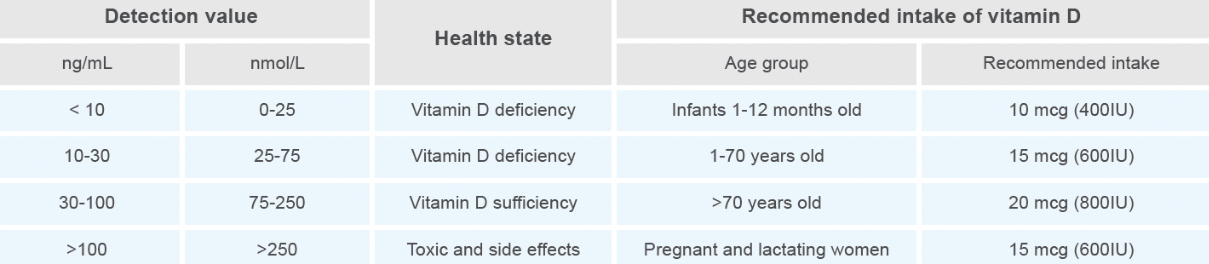
Levels of 50 nmol/L (20 ng/mL) or more are sufficient for most people.

Optimal serum concentrations of 25(OH)D for bone and general health have not been established because they are likely to vary by stage of life, by race and ethnicity, and with each physiological measure used.


VD REF


In addition, although 25(OH)D levels rise in response to increased vitamin D intake, the relationship is nonlinear. The amount of increase varies, for example, by baseline serum levels and duration of supplementation.


Understanding these dynamics highlights the importance of accurate, reliable measurement of 25(OH)D, precisely what our Poclight 25-OH VD assay is designed to provide.


3.  Poclight 25-OH VD Assay Key Features


  1. LOD: 3ng/mL
  2. Linearity: 3-70ng/mL, in this linear range, the linear correlation coefficient "r" is not less than 0.9900
  3. Repeatability: CV<5% 
  4. Exceptional Speed: Reduces the detection time from 3 hours to just 10 minutes.
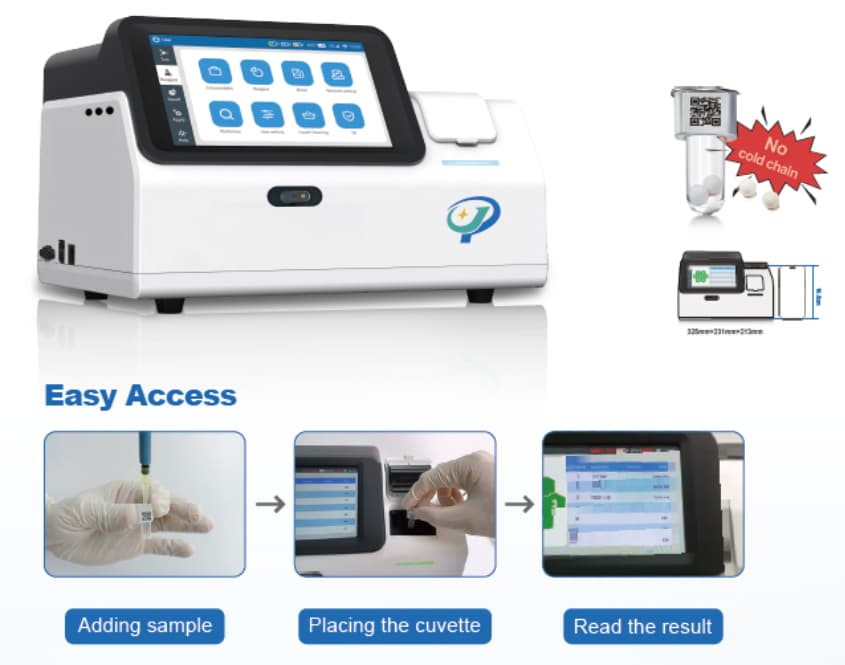
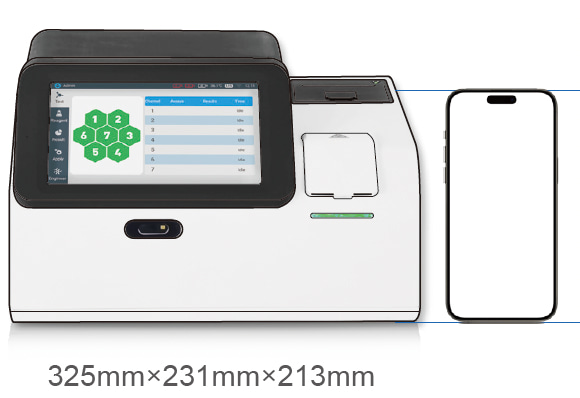
  5. Compatible with Poclight C5000 Benchtop CLIA Analyzer


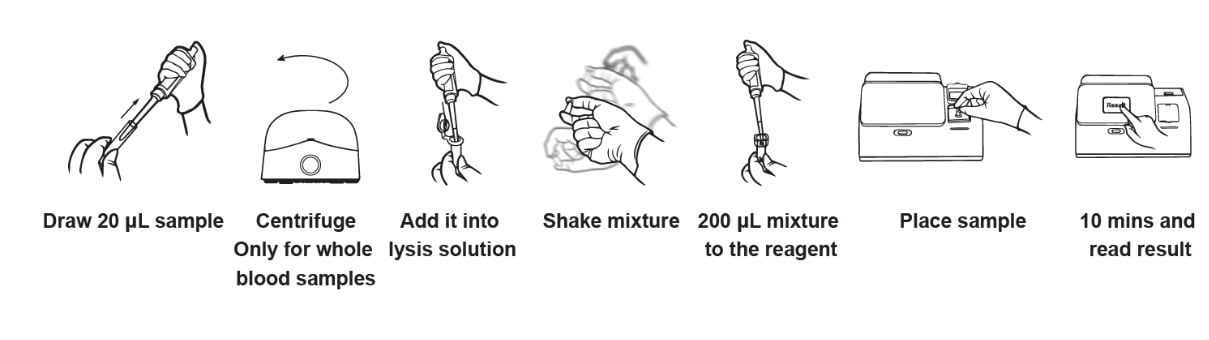
Operation process

VD OPERATION


If you’d like to have our products in your lab or distribution lineup, feel free to contact us to discuss pricing, partnership, and next steps.


Top

New Product Launch | Medical Cart E1-3 Advanced Hospital Trolley for Mobile Ultrasound Solutions

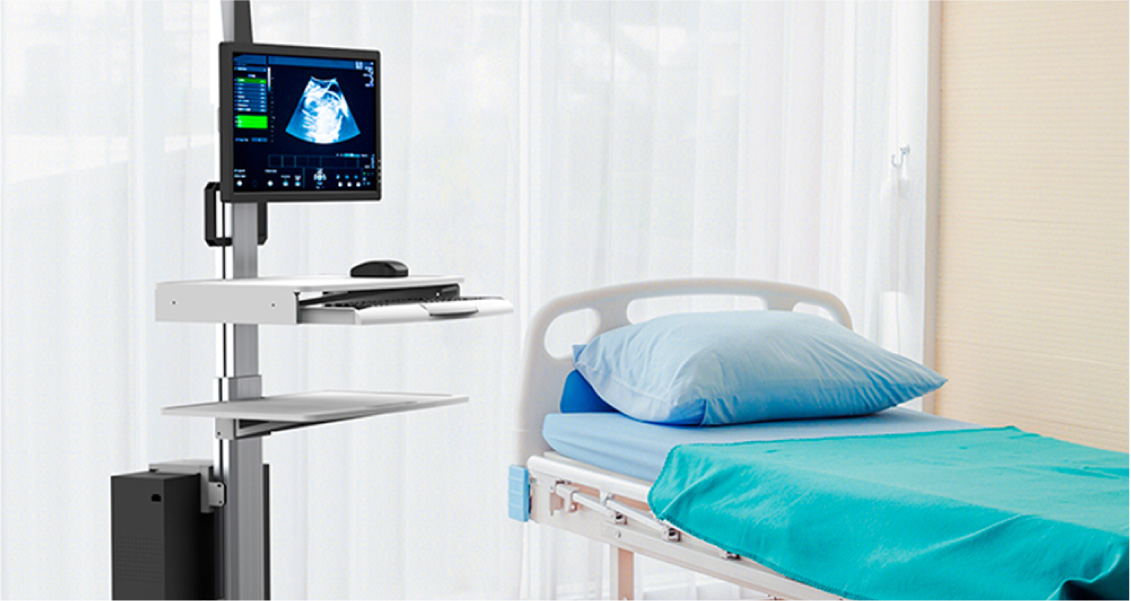
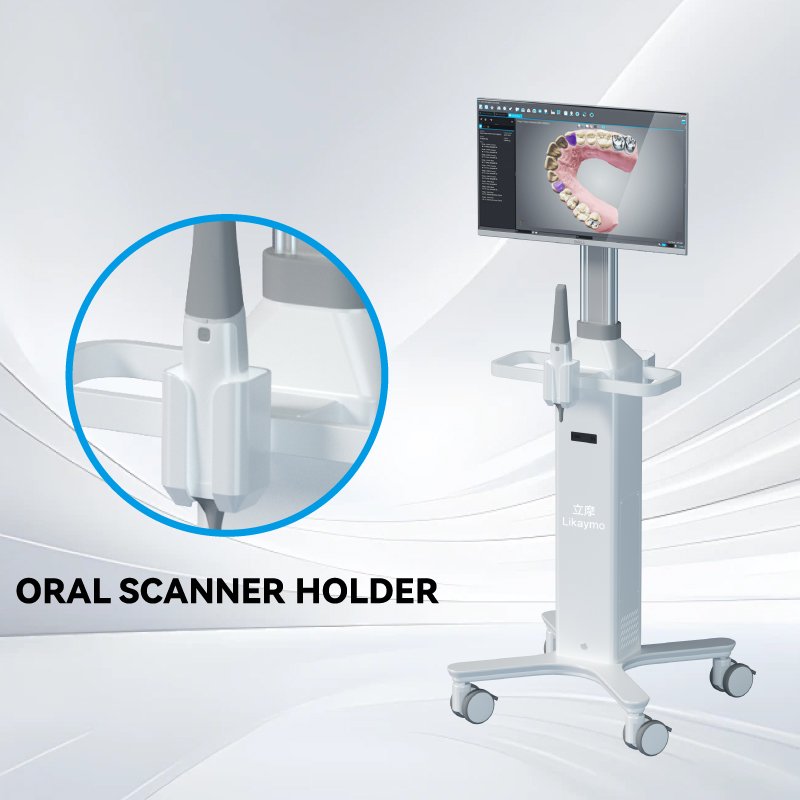
We are proud to introduce the newly upgraded medical cart E1-3, a versatile hospital trolley specifically engineered for modern point-of-care diagnostics. This premium mobile medical cart delivers outstanding performance in clinical environments, offering exceptional stability and maneuverability for ultrasound systems and other medical equipment.

  • mobile medical cart
     
  • #
     
  • hospital transport trolley


Professional-Grade Support System

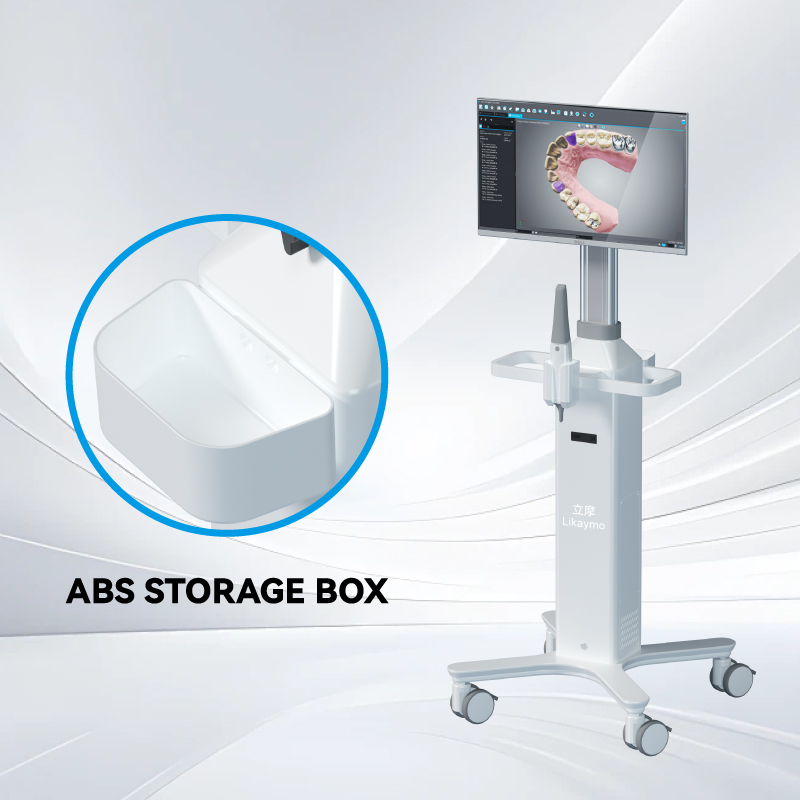
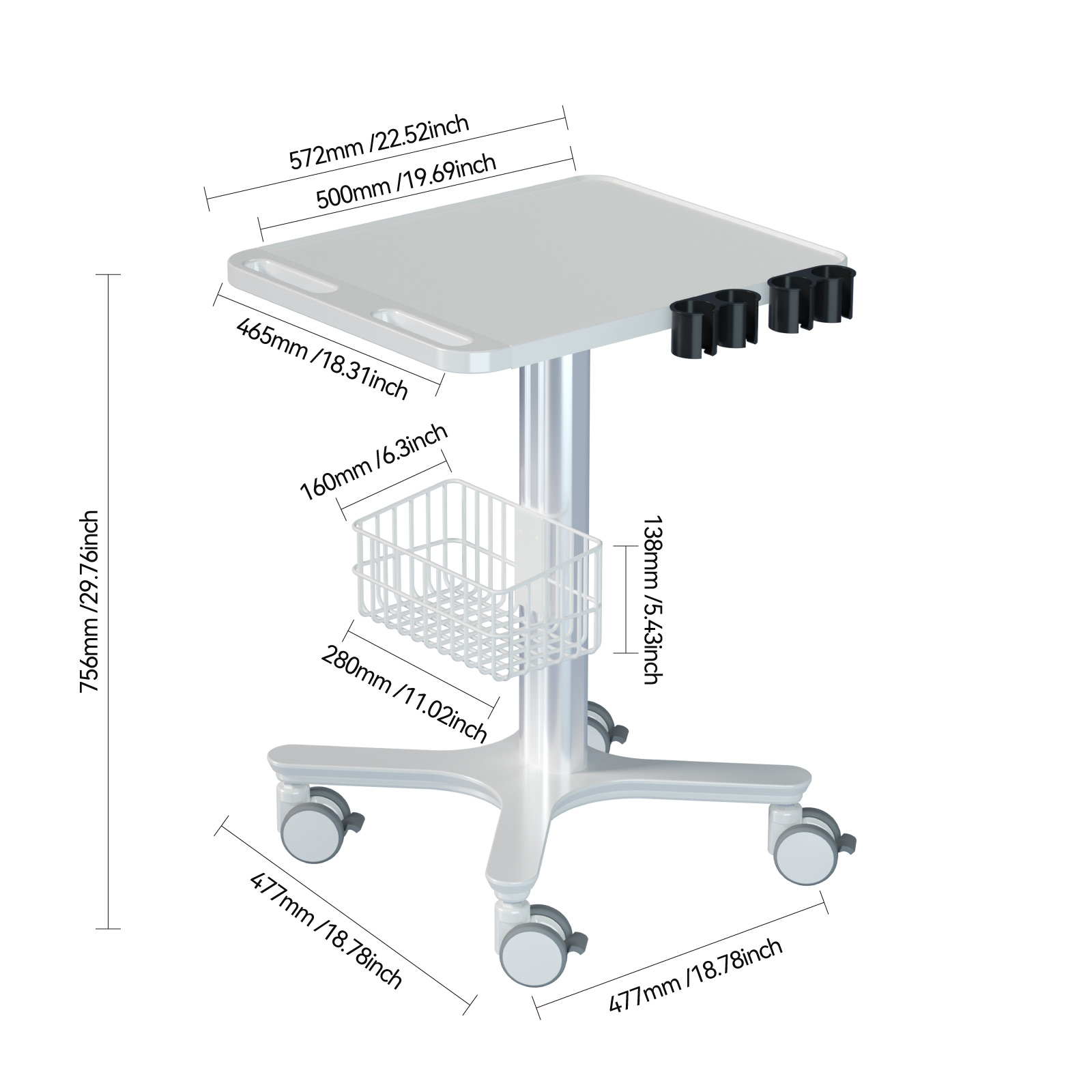
  • Generous 46.5×57.2 cm platform accommodates ultrasound machines and accessories

  • Aerospace aluminum alloy column provides superior strength and lightweight durability

  • Robust 10kg load capacity ensures complete equipment security

  • This medical equipment cart is built to withstand rigorous daily use


Enhanced Mobility & Precision Positioning

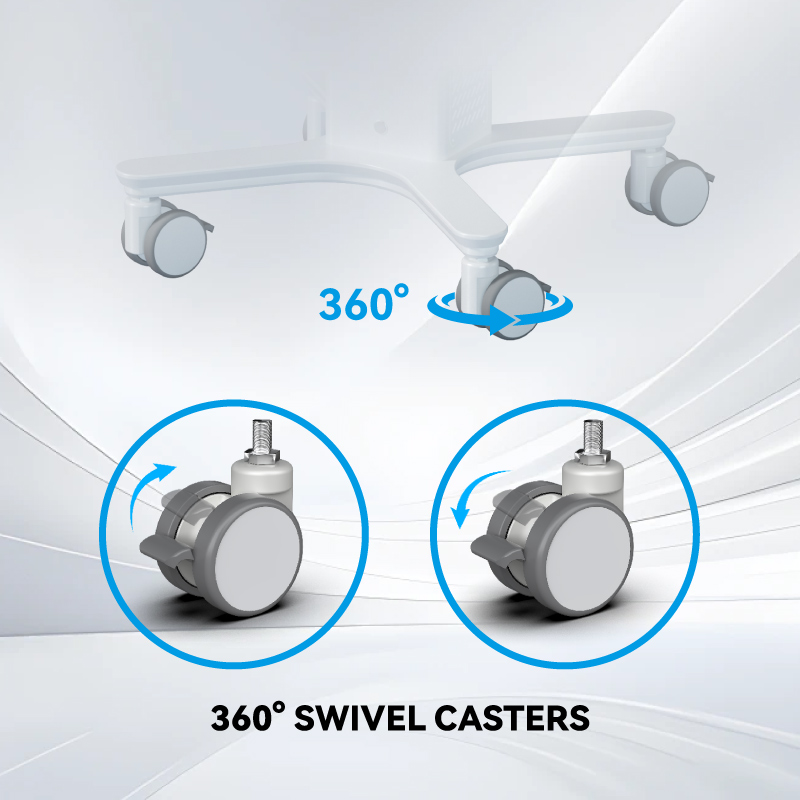
  • Four swivel casters with individual brake systems enable smooth navigation

  • This hospital transport trolley moves effortlessly between departments

  • Instant locking mechanism ensures complete stability during procedures

  • The mobile medical trolley supports efficient patient care workflows


Optimized Storage & Accessibility

  • Transparent mesh storage compartments provide clear visibility

  • Quick-access design for probes, gels, and medical supplies

  • This versatile clinical cart keeps essential items within reach


The E1-3 medical utility cart represents the perfect fusion of innovation and practicality. As a reliable procedure cart and diagnostic trolley, it significantly enhances mobile healthcare delivery while optimizing clinical operations.If you would like to learn more, please visit our website https://www.likaymo.com
 

E1-3 Medical Cart - The Smart Choice for Modern Healthcare Mobility

Top

Flexible Mobility, Adjustable Height How Medical Carts are Redefining Clinical Efficiency

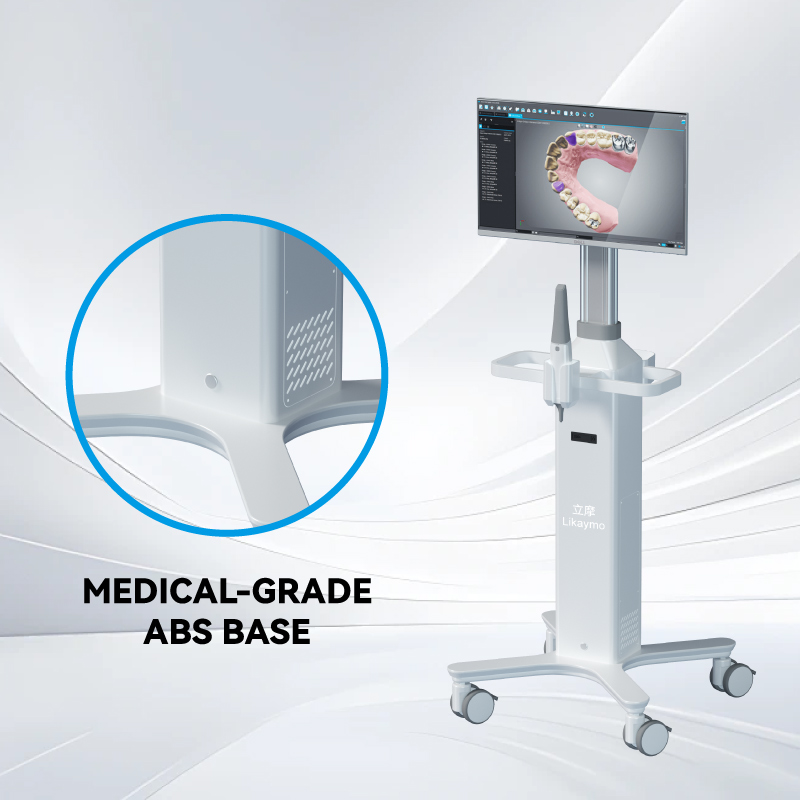
In modern healthcare settings, adjustable medical carts are becoming vital tools for optimizing workflows and care quality, thanks to their superior mobility and height adjustment capabilities.

360° Lockable Wheels

Easy Mobility
Medical cart trolley systems eliminate fixed workstation limitations. With smooth-rolling casters and stable bases, healthcare staff can effortlessly move equipment wherever needed. This "mobile information" approach reduces unnecessary trips and enhances productivity.

height adjustable

Height Adjustment, Care for Caregivers
The easy height adjustment feature demonstrates user-focused design. Whether at dental workstations during seated procedures or in clinical settings during standing operations, medical professionals can easily position screens at comfortable viewing angles. This ergonomic support helps prevent occupational strain and injuries.


Smart Integration for Enhanced Care
The combination of mobility and adjustability delivers unprecedented flexibility. Medical cart trolley solutions adapt to various clinical scenarios and user physical needs, improving workflow efficiency while demonstrating institutional commitment to staff wellbeing.

Medical carts with easy mobility and customizable height settings seamlessly connect information with point-of-care delivery. These medical cart trolley and dental workstation solutions not only optimize clinical processes but also protect caregiver health, offering a powerful yet simple approach to elevating care standards.

Top

World Prematurity Day Preeclampsia Tests for Early Preterm Birth Risk Assessment


World Prematurity Day: Preeclampsia Tests for Early Preterm Birth Risk Assessment


1.Introduction: The Silent Threat of Preeclampsi


November 17th is observed as World Prematurity Day, a global effort to raise awareness of the challenges of preterm birth. According to World Health Organization data, approximately 15 million babies are born prematurely worldwide annually, of which nearly 1 million succumb to complications related to preterm birth. Among the key drivers of medically-indicated preterm birth is preeclampsia, a serious multi-system disorder unique to pregnancy.

Preeclampsia is characterized primarily by new-onset hypertension (≥140/90 mmHg) and proteinuria after 20 weeks of gestation. It can lead to placental insufficiency and fetal growth restriction, thereby triggering preterm birth (delivery before 37 weeks of gestation). The core mechanism of preeclampsia involves an imbalance in placental angiogenesis, with abnormal changes in sFlt-1 and PIGF serving as key early warning signals. 


2.sFlt-1 and PIGF: "Biological Early Warning Indicators" for Preterm Birth Risk


Soluble fms-like tyrosine kinase-1 (sFlt-1): As an anti-angiogenic factor, its over-secretion inhibits the activity of PIGF and VEGF, leading to placental ischemia and hypoxia, which can trigger preterm birth.


Placental Growth Factor (PIGF):A pro-angiogenic factor; decreased levels reflect impaired placental function and are positively correlated with preterm birth risk.

PlGF Test Kit


Interpreting the sFlt-1/PIGF Ratio: A Key Indicator for Risk Stratification

Ratio ≤ 38: A negative predictive value of 99.3%, can rule out the onset of PE within one week, helping to avoid unnecessary interventions.

Ratio > 38: Indicates a significantly increased risk of PE within four weeks, warranting intensified monitoring.

Ratio > 10: The risk of early-onset PE increases fivefold, necessitating vigilance for adverse outcomes such as fetal growth restriction.


3.Clinical Significance :Dynamic Monitoring


Patients with an elevated ratio in the mid-to-late trimester require shorter intervals between prenatal check-ups and intensified blood pressure and fetal monitoring.

● First Trimester (11-13+6 weeks): PIGF combined with maternal factors (such as age, BMI) predicts PE risk, guiding early intervention.

● Mid-to-Late Trimester (14-34+6 weeks): Dynamic monitoring of the sFlt-1/PIGF ratio enables short-term prediction of early-onset PE and assessment of disease severity.

● Patients Diagnosed with PE: Changes in the ratio can predict adverse pregnancy outcomes and guide the timing of delivery.


The realization of this test's value relies on the support of chemiluminescence(CL) resonanceenergy transfer(CRET) technology and chemiluminescence immunoassay analyzers. The Placental Growth Factor ( PIGF) and Soluble fms-like tyrosine kinase-1 (sFlt-1) Test Kit (Homogeneous Chemiluminescent Immunoassay) is a two-site ("sandwich") chemiluminescent immunoassay based on Chemiluminescence (CL) Resonance Energy Transfer (CRET) technology. It can accurately capture minute changes in these biomarkers in the blood through highly specific antigen-antibody reactions, providing reliable data for clinical decision-making. To facilitate clinical interpretation, the sFlt-1/PlGF ratio is automatically computed from a single sample.

chemiluminescence immunoassay analyzer


Key Advantage (vs. Traditional ELISA):

● Exceptional Speed: Reduces the detection time from 3 hours to just 5 minutes.

● Operational Simplicity:The homogeneous assay format removes the need for cumbersome washing and separstion steps.


Automated Immunoassay Analyzer

Top

World Diabetes Day 2025 - Introducing Poclight’s Enhanced HbA1c Test Solution

 
1.  Facts & Figures


World Diabetes Day, held every November 14, reminds us of the growing impact of diabetes worldwide.

According to the International Diabetes Federation (IDF), more than 500 million adults are living with diabetes, and the number is expected to reach 853 million by 2050.


Diabetes Facts and Figures


However, through prevention, early diagnosis, and regular HbA1c monitoring, we can greatly reduce the impact of diabetes and its complications.


2.  HbA1c as a Diagnostic and Monitoring Tool


HbA1c (Glycated Hemoglobin) is a blood test that reflects your average blood sugar levels over the past 2 to 3 months. It measures the percentage of red blood cells with glucose attached to them, providing a long-term view of blood glucose control, unlike daily tests that only show short-term changes. Because red blood cells live for about 120 days, HbA1c levels give an accurate picture of how well blood sugar has been managed over time.


HbA1c Levels


Diagnostic use: The American Diabetes Association (ADA) and the World Health Organization (WHO) recognize HbA1c as a reliable diagnostic marker for diabetes, with a cutoff value of 6.5% or higher.


Monitoring role: For people with diabetes, regular HbA1c testing helps evaluate how effectively their treatment plan is managing blood sugar levels over the long term.


Recommended HbA1c Testing Frequency


Condition

Testing Frequency

Prediabetes

Once a year

Annual screening is recommended

Diabetes: adjusting treatment

Every 3 months

Diabetes: stable control

Every 6 months

Note: frequency depends on individual status, please follow your doctor’s advice


Common HbA1c Detection Methods


Settings

Technology

Typical Use

Central Lab

HPLC

Large hospitals, reference labs

Point of care

Immunoassay / Enzymatic

Small labs, Clinics, near-patient testing, community screening


POCT systems like Poclight’s C5000 dry CLIA platform provide lab-quality results with fast turnaround and easier operation at the point of care.


3.  Poclight’s Upgraded HbA1c Solution


To support better glucose monitoring, Poclight has recently launched a new spectrometer module for the C5000 Analyzer. The module measures hemoglobin levels in a sample using a photometric method and then applies a calculation formula to determine the average percentage of glycated hemoglobin (HbA1c).


Poclight HbA1c Spectrometer


For operation guide, please watch the video below:


Poclight Hemoglobin A1c (HbA1c) Test Kit (Homogeneous Chemiluminescence Immunoassay)

Key Features

○ Fast: Results in 5 minutes

○ Accurate and Sensitive: High correlation with reference method, NGSP certified; 3.5~20% measuring range, cut-off value 4-6%

○ Small Sample: Only 5 μL whole blood required

○ Stable: storage at 2–30°C for 18 months


HbA1c Test Kit


○ Applicable with the C5000 POC CLIA Analyzer: Maintenance-Free


C5000 POCT Analyzer


At Poclight, we remain committed to making precision diagnostics more accessible and reliable for point-of-care settings.


Contact us to learn about local distribution and pricing options for Poclight solutions.


Top

Poclight IgE Assay Accurate Insights into Allergic Diseases


1.  What is IgE?


In our blood, there exists a special class of protein known as immunoglobulin, which is an important component of the immune system. Among them, IgE (immunoglobulin E), despite its extremely low concentration, accounting for only 0.002% of the total immunoglobulin, it acts as a key "messenger" in triggering allergic reactions. This antibody produced by B lymphocytes primarily protects the human body in two ways: one is to resist parasitic infections, and the other is to trigger an immune response when encountering allergens.


When allergens (such as pollen, dust mites or certain foods) enter the human body, the immune system recognizes them as "foreign invaders" and prompts B cells to produce IgE antibodies against the allergen. These IgE will specifically bind to the surface of mast cells and basophils, causing the body to enter a "sensitized state". When exposed to the same allergen again, IgE immediately activates the "alarm system", prompting cells to release inflammatory mediators such as histamine, triggering allergic symptoms like sneezing, itchy skin, and breathing difficulties - this is the fundamental principle of what we commonly refer to as an allergic reaction.


2.  IgE Testing: Purpose and Applications


IgE detection has become a critical tool in the diagnosis of allergic diseases.


IgE Assay Application


Clinical significance: Studies show that approximately 30% of patients with allergic diseases exhibit significantly elevated levels of total serum IgE. Moreover, specific IgE testing demonstrates over 85% accuracy in identifying the types of allergens involved. This test is mainly applicable to three types of people:

✓ Patients with recurrent skin itching, urticaria, allergic rhinitis and other symptoms.

✓ Individuals with a history of asthma and unknown cause.

✓ High-risk groups with a family history of allergic diseases.


Note: IgE test results must be interpreted in conjunction with clinical symptoms. For instance, in patients with hay fever, allergen-specific IgE levels may rise 2-4 weeks before the pollen season begins. In cases of food allergy, relevant IgE antibodies can trigger an immune response within 1-2 hours after ingestion of the allergenic food. Through dynamic monitoring of IgE levels, physicians can not only confirm a diagnosis but also develop personalized desensitization treatment plans, which have been shown to reduce the risk of acute asthma attacks by 40%-60%.


3.  From Testing to Management: Comprehensive Prevention and Control of Allergic Diseases


IgE testing is only the first step in the management of allergic diseases. Clinical practice has shown that personalized prevention and control plans, developed based on test results, can improve patients' quality of life scores by 35%~50%. For patients allergic to dust mites, in addition to the use of antihistamines, regular environmental control measures, such as using mite-proof bedding and air purifiers, can reduce the frequency of symptom episodes by 40%. Patients with food allergies, on the other hand, need to strictly avoid allergenic foods and carry an epinephrine auto-injector at all times in case of accidental exposure.


IgE Test Kit


With advances in precision medicine, IgE testing technology is also continuously evolving. The new generation of testing methods can not only quantitatively analyze antibody levels but also predict the severity of allergic reactions by detecting IgE subtypes.


In an era of ongoing iteration in in vitro diagnostic technologies, Poclight IgE test kit, with its innovative technology, exceptional performance, user-friendly operation, and reliable quality, offers a new option for the precise diagnosis of allergic diseases. In the future, by integrating genetic testing and artificial intelligence algorithms, we hope to achieve early warning and precise intervention for allergic diseases, helping more people break free from the burden of allergies.


Advantages of Poclight IgE Test Kit: Innovative CRET Technology Enables Precision "Signal-Switch" Detection


C5000 POCT Analyzer


Technology Principle:

✓ Utilizes a homogeneous chemiluminescence approach.

✓ Integrates antigen-antibody reactions with chemiluminescent signals.


Workflow:

● The target substance binds with an acridinium ester-labeled DNA antibody to form an immunocomplex.

● Graphene oxide quenches the remaining unbound acridinium ester-labeled DNA fragments.

● This homogeneous process eliminates the need for separation and washing steps.

● A chemiluminescent reaction is initiated by adding an excitation solution.


Performance Specifications:

✓ High Sensitivity: Detection sensitivity of 0.1 IU/mL.

✓ Wide Linear Range: 0.1–2500 IU/mL, fully meeting clinical testing requirements.

✓ Excellent Precision: Intra-assay CV ≤10% and inter-assay CV ≤15%, ensuring stable and reliable results.

✓ Rapid detection: in just 5 minutes, minimal sample volume of 50 µL, simple operation, low cost, high-quality CLIA methodology, innovative CRET patented technology, precise results, and a wide linear detection range.

✓ Ease of Use: Minimal training required


Key Advantage (vs. Traditional ELISA):


●  Exceptional Speed: Reduces the detection time from 3 hours to just 5 minutes.

●  Operational Simplicity: The homogeneous assay format removes the need for cumbersome washing and separation steps.

Compatible with Poclight C5000 POC CLIA Analyzer


Operation


To learn more about cooperation regarding Poclight's 5-generation CLIA solutions, please contact us.


Top

World Stroke Day Poclight CRET for Hidden Stroke Detection

 
1.  The Invisible Warning: Activated Platelets


October 29 marks World Stroke Day, a reminder to pay attention to brain health and take action to prevent strokes, one of the leading causes of death and disability worldwide.

Strokes can occur suddenly, and certain physiological changes may precede clinical symptoms. Early detection is therefore essential for timely risk assessment and intervention.


Many people associate stroke with high blood pressure, high cholesterol, and atherosclerosis. While these are important risk factors, there’s a crucial, often overlooked element — abnormal platelet activation.

Normal platelets help stop bleeding, but when excessively activated, they become overly sticky and prone to clumping. Like tiny “time bombs,” they can form blood clots that block cerebral blood vessels, leading to ischemic stroke.

Traditional blood tests may not fully reflect platelet activation; direct monitoring of platelet functional state provides more comprehensive information.


2.  The Gold Standard: Platelet Activation Markers


Early detection of platelet activation is key to predicting thrombotic events. Important markers include:


Platelet Activation Markers


● CD62P (P-Selectin): Recognized as the gold standard for platelet activation. Its surface expression signals the initiation of clot formation.

● PAC-1: A widely accepted marker for early platelet activation.

● CD42a, CD42b, CD41, CD61: Maintain platelet structure and function, mediating aggregation, adhesion, and secretion.

These markers allow clinicians to precisely assess platelet activation and intervene before stroke occurs.


Testing Significance


1)  Personalized Antiplatelet Therapy

Provides precise guidance for the use of antiplatelet drugs such as aspirin and clopidogrel, enabling individualized treatment.

2)  Stroke Risk Assessment

Detects hidden hypercoagulable states in time, offering early warning for cardiovascular and cerebrovascular events.

3)  Medication Guidance & Efficacy Monitoring

Evaluates whether antiplatelet therapy is effective and identifies potential “drug resistance,” allowing timely adjustment of treatment plans.


3.  CRET Platelet Activation Measurement


Poclight Platelet Activation Function Analyzer: Real-Time, Dynamic, and Precise

Poclight CRET Analyzer and reagents offers a powerful tool for platelet monitoring, helping clinicians make informed decisions regarding transfusion strategies, bleeding/thrombosis risk prediction, and treatment optimization.


Poclight Platelet Activation Features


With CRET Measurement, clinicians can detect the “invisible” culprits of stroke early, enabling timely intervention and improved patient outcomes.


For detailed information and partnership options, please contact us.


Top

Expand Your Diagnostic Portfolio - Rapid Tumor Marker Testing with Poclight CLIA Solutions

1.  Global Cancer Burden: Facts & Figures

The Rising Global Cancer Burden

According to the latest report from the World Health Organization (WHO) and its cancer agency, IARC, there were approximately 20 million new cancer cases and 9.7 million deaths worldwide in 2022, with around 53.5 million people alive within five years of a cancer diagnosis.


Global Cancer Incidence


Lung, breast, and colorectal cancers were the three most common types, with lung cancer remaining the leading cause of death. Low-income countries face higher mortality due to late diagnosis and inadequate care.


By 2050, global new cancer cases are projected to reach 35 million, with the largest increases in low- and middle-HDI countries. WHO calls for strengthened cancer care coverage and investment to ensure accessible, high-quality cancer diagnosis and treatment for all.


The Importance of Early Screening

● Up to 40% of cancer-related deaths could be prevented through early detection and timely intervention. (The Lancet Global Health)

● Developed countries show higher screening coverage, while accessibility remains a challenge in developing regions.

● The trend toward multi-cancer early detection (MCED) is accelerating globally, promoting a more comprehensive approach.


For Breast Cancer Awareness Month (October)

● Breast cancer is the most common cancer among women worldwide.

● Self-examination is recommended starting at age 20.

● Women over 40 are advised to undergo imaging combined with biomarker screening every 1–2 years.

● Early detection (Stage I) can lead to a 5-year survival rate exceeding 90%.

Recommendations and statistics are based on sources, including WHO guidelines, the American Cancer Society (ACS), EUSOMA guidelines, and global cancer data from GLOBOCAN/IARC and the NCI SEER database.


2.  Key Tumor Markers and Their Clinical Significance


Biomarker

Associated Cancer Type(s)

Clinical Use

PSA

Total Prostate-specific antigen (tPSA)Test Kit

Prostate Cancer

Routine screening marker; early detection and therapy monitoring

CEA

Multiple Cancers (colorectal, lung, breast, etc.)

Broad-spectrum marker for diagnosis aid and recurrence monitoring

AFP

Liver Cancer

Key indicator for hepatocellular carcinoma screening and differentiation

CYFRA21-1

Lung Cancer (especially squamous type)

Supports diagnosis and treatment evaluation

CA19-9

Pancreatic & Gastrointestinal Cancers

Digestive system malignancies and therapy monitoring

CA125

Ovarian Cancer

Screening and disease progression evaluation in female patients


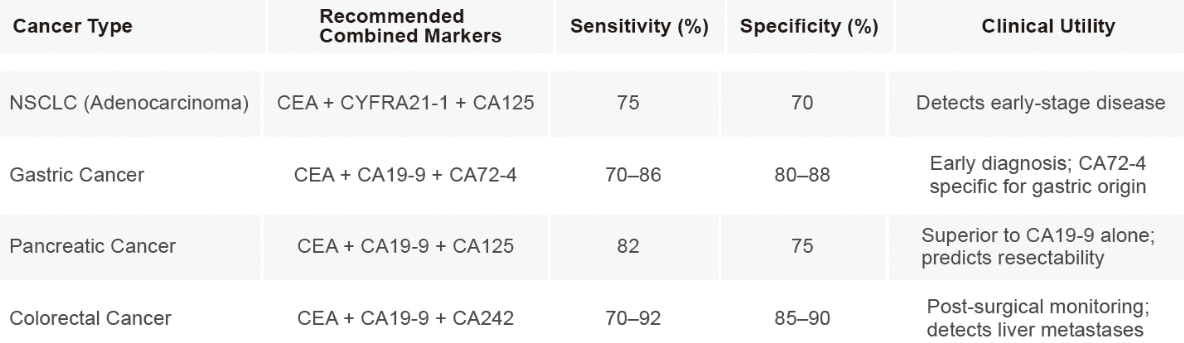
Combining markers increases sensitivity and specificity by compensating for individual testing limitations:

● Ovarian cancer: CA125 + HE4 achieves 93.8% accuracy.

● Pancreatic cancer: CA19-9 + CEA + CA125 raises sensitivity to 82%.

● Prostate cancer: f/t PSA ratio reduces false positives by 30% in the gray zone.


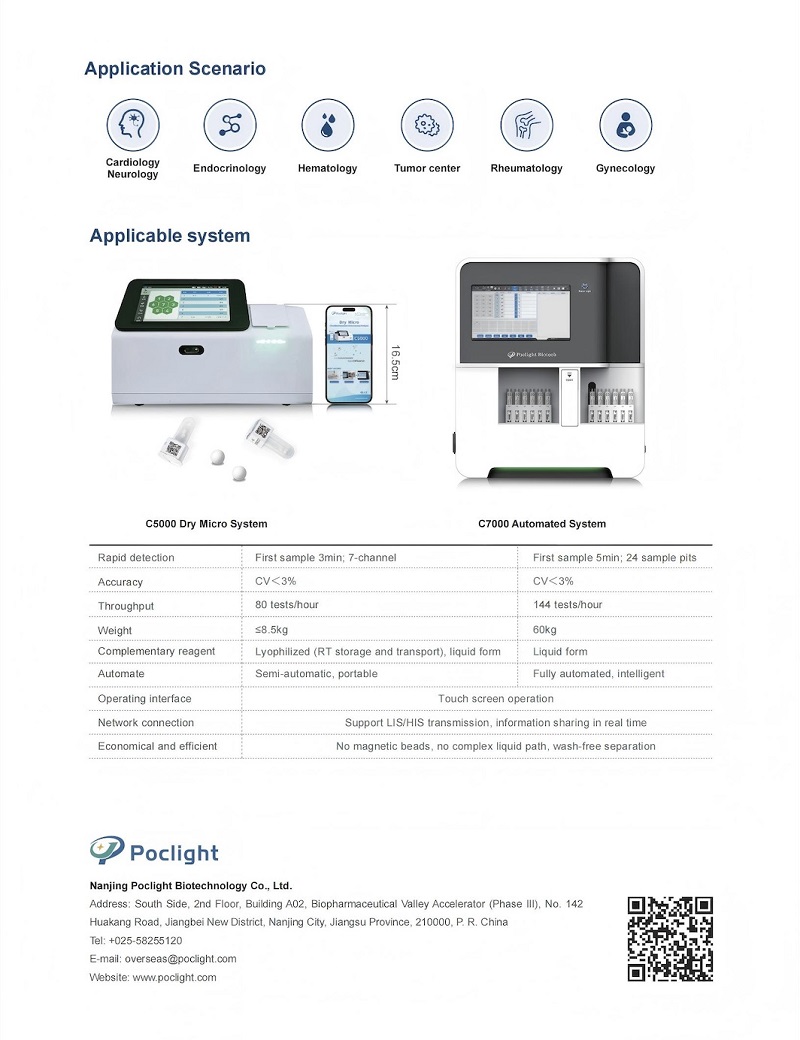
Application Department


3.  Poclight’s Innovative Diagnostic Solutions


In today’s evolving healthcare landscape, laboratories and diagnostic providers are seeking faster, more reliable, and accessible cancer testing solutions, yet traditional immunoassay systems often require high costs, long turnaround times, and complex operation.

Poclight offers a comprehensive portfolio that empowers both distributors and laboratories to expand access to high-quality cancer diagnostics anywhere, anytime.


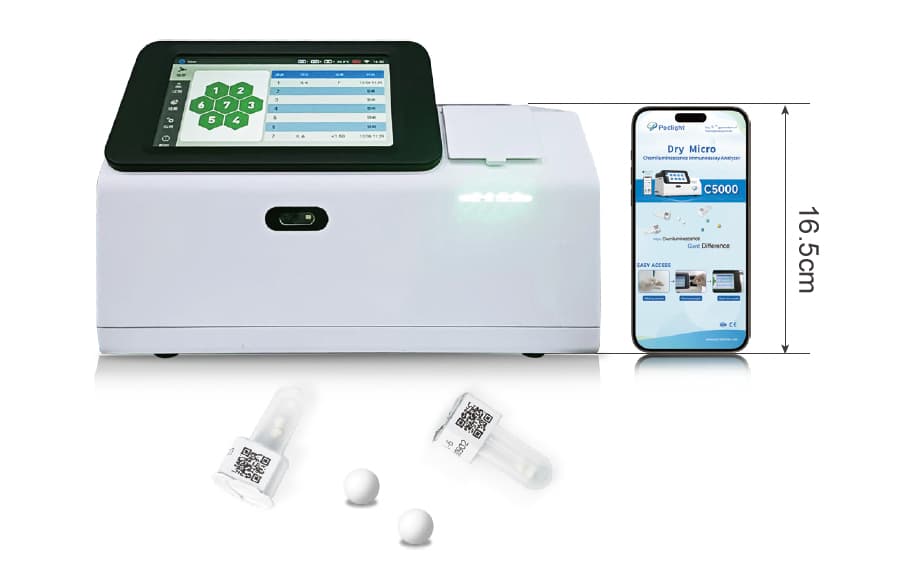
1) Advanced Platform: C5000 Dry Chemiluminescence Immunoassay Analyzer (Dry CLIA Analyzer)

C5000 CLIA Analyzer


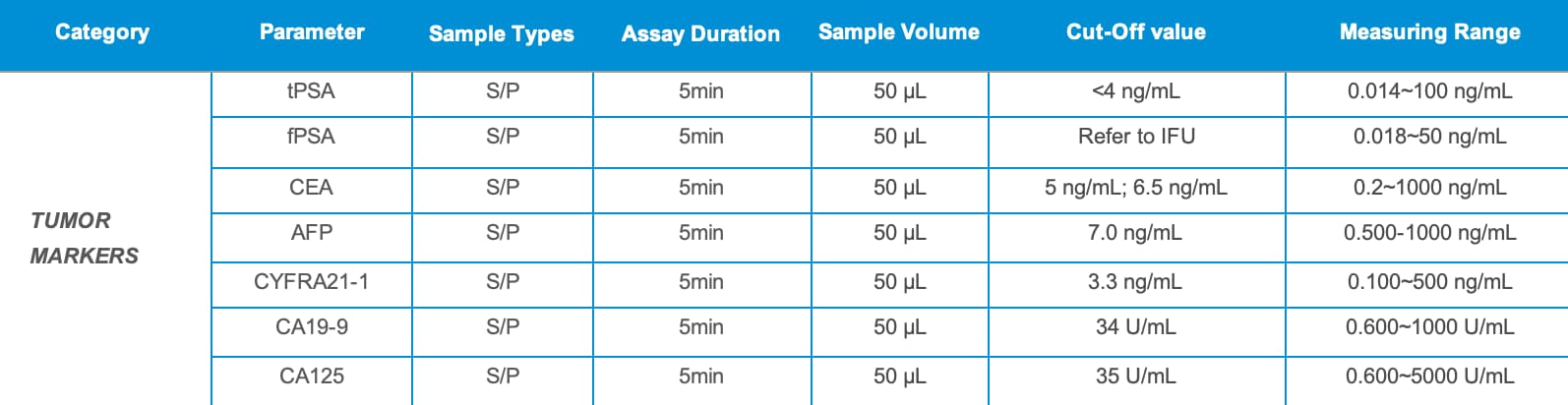
2) Featured Tumor Marker Panel

✓ Combined tumor marker testing: PSA, CEA, AFP, CYFRA21-1, CA19-9, CA125

✓ Covers multiple major cancer types (liver, lung, prostate, gastrointestinal, ovarian)

✓ Fast, accurate, and suitable for hospitals, health centers, and primary care facilities


Poclight Tumor Markers Specifications


✓ Rapid detection in just 5 minutes, minimal sample volume of 50 µL, simple operation, low cost, high-quality CLIA methodology, innovative CRET patented technology, precise results, and a wide linear detection range.


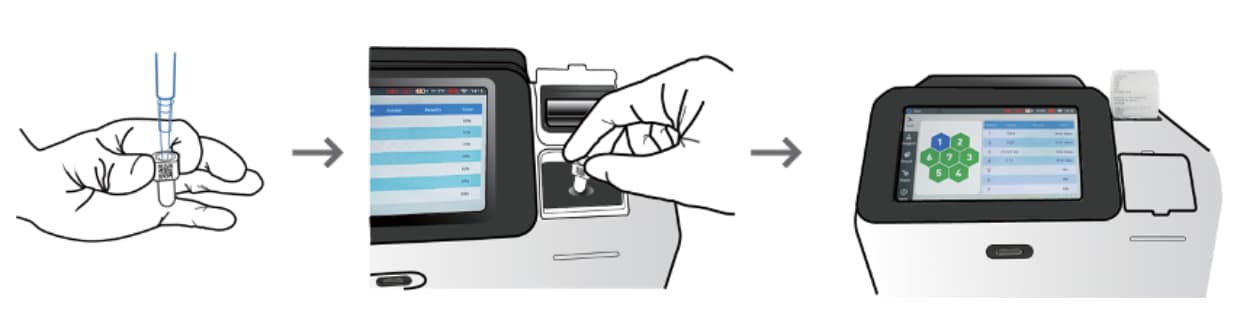
Ease of Use: Minimal training required

Operation


More tumor marker and other assays in progress


Poclight Biotech is actively seeking global partners who share our vision for accessible, high-quality diagnostics.

Reach out to us to explore collaboration opportunities or to learn how our solution can fit into your portfolio.

Top

How Optical Coherence Tomography Constructs a “Data Vault” Compliant with Cybersecurity Protection Standards

The first step: Demarcate the boundaries of the “safe” and the environment (regional boundary security)
OCT devices

should not be directly exposed to public networks. First, it is necessary to plan the security domain.

  1. Network partition isolation

    Medical equipment dedicated network: OCT devices, PACS servers, image storage servers, etc. are classified into an independent VLAN and logically isolated from the office network and the Internet.

    Firewall policy: Deploy firewalls at the network boundary and strictly follow the “principle of least privilege”. Only specific and necessary ports and IP addresses are allowed for communication (for example, port 104 of the DICOM protocol, a specific port of the hospital information system). Any illegal external access is prohibited.
  2. Physical Access Control

    The computer room where OCT equipment and core servers are placed should implement strict physical access control and video surveillance management to prevent unauthorized physical contact.

    Step 2: Build a sturdy box for the "safe" (secure computing environment)
    This is the core layer that protects the data itself.
    OCT Equipment and Terminal Security:
    Strengthen the operating system: Enhance the security of the operating system of the industrial control computer or computer built into the OCT device, as well as that of the diagnostic workstation.
    Anti-virus software: Install hospital-specific anti-virus software and update the virus database regularly.
    Identity authentication: It is mandatory to log in to the system with a unique personal username and a strong password. For the third-level information security protection, two-factor authentication should be mandatory.
  3. Data storage encryption (lock of the safe) :

    Static data encryption: All OCT image data must be encrypted when stored on the disk. Available options:

    Transparent database encryption: Encrypting sensitive fields in the database.

    Storage layer encryption: Encrypt the entire disk or volume using the built-in encryption function of the storage device or operating system-level encryption.

    File-level encryption: Encrypting a single DICOM file.

    Key management: Encryption keys must be uniformly managed by a professional key management system, stored separately from encrypted data, and rotated regularly. This is the key point of the requirements for the equal protection.
  4. Application Security

    Ensure that the PACS software and OCT device software themselves have no known high-risk vulnerabilities, and conduct regular security assessments.

    Step 3: Ensure "safety during transportation" (communication network security)
    When data is transmitted between OCT devices, PACS servers and diagnostic workstations, it is necessary to prevent eavesdropping and tampering.
  5. Transmission encryption

    Enforce the use of encryption protocols such as DICOM over TLS or DICOM over HTTPS to replace the traditional plaintext DICOM protocol. This ensures that data is encrypted when transmitted over the network, similar to HTTPS protecting web page communication.

    For scenarios such as remote consultation that require cross-internet transmission, a VPN encrypted tunnel must be established.

    Step 4: Establish a monitoring and management center for the "safe deposit box" (Safety Management center)
    This is the brain and nerve center of the "safe", responsible for monitoring, auditing and emergency response.
  6. Log audit (recording who opened the box) :

    Collect all logs related to OCT data centrally, including: user login/logout logs, logs of OCT image creation, modification, deletion, access, printing, export and other operations. These logs must be retained for no less than six months.

    The information security protection level requires that the content of logs cannot be tampered with, so it is necessary to deploy a professional log auditing system.
  7. Database Audit

    For operations that directly access the database, a database auditing system is deployed to record all access behaviors to OCT data tables, especially high-risk operations.
  8. Operation and Maintenance Management and Security Audit

    Video the operations of system administrators and record instructions to achieve traceability.

    Regularly conduct security risk assessments and vulnerability scans.
  9. Data Backup and Recovery (Spare key for the safe) :

    Formulate a complete data backup strategy and regularly back up OCT image data and related patient information.

    Regularly conduct disaster recovery drills to ensure that business and data can be quickly restored in the event of data loss, system downtime or ransomware attacks. Backup data also needs to be encrypted for protection.


    Also welcome to contact us, we are ZD Medical Inc.
    Tel : +86-187 9586 9515
    Email : sales@zd-med.com
    Whatsapp/Mobile : +86-187 9586 9515

Top

International Day of the Blind丨Illuminating Vision ZD Medical OCT Builds a Robust Defense for Retinal Health

The International Day of the Blind on October 15th every year is a day that calls for attention to eye health and conveys the hope of light. When we focus on the living predicaments of the visually impaired group, a set of data should prompt more deep thought…

The silent threat of blindness: The insidious nature of retinal diseases


Retinal diseases such as diabetic retinopathy (DR) and age-related macular degeneration (AMD) have become the leading causes of irreversible blindness in China, and most patients have missed the best intervention opportunity by the time they show obvious symptoms. According to statistics, over 250 million people worldwide suffer from vision impairment, and nearly half of them can avoid it through early intervention. However, the limitations of traditional examination methods have caused many patients to miss the best treatment opportunity. In this race against darkness, ZD Medical  precise diagnosis and treatment solutions centered on optical coherence tomography (OCT) scanners are becoming a key force in preventing blindness.


Zhiding OCT: Solving the Problem of Early Diagnosis with "Microscopic Insight"

The fundus, as the core hub for visual signal transmission, often serves as an "early warning" for blindness due to its microscopic lesions. Traditional examination methods are difficult to capture the subtle changes between retinal layers. However, OCT technology has achieved a breakthrough by virtue of its unique advantage of "optical biopsy" - through the principle of weak coherent light interference, it can reconstruct two-dimensional and three-dimensional images of the fundus with millimeter-level depth and micrometer-level resolution Clearly present key lesion markers such as intraretinal effusion (IRF) and subretinal effusion (SRF).


The core technology adopted by ZD Medical OCT can complete a full retinal scan within 3 seconds, and the image resolution is 40% higher than that of traditional equipment. Even the tiny protrusions in the retinal pigment epithelial layer of early-stage AMD patients can be accurately captured. The built-in AI+ remote film reading function of the device, along with online review by retinal disease experts, covers all ophthalmic diseases. This effectively empowers primary medical institutions, breaks through the limitations of time, space and resources, standardizes diagnostic results, reduces the occurrence of missed and misdiagnoses, and minimizes clinical risks to the greatest extent. As emphasized in the "2025 Expert Consensus on OCT in the Fundus of China", OCT's ability to identify early lesions far exceeds that of traditional color fundus photography, and the positive screening rate is significantly higher, thus buying precious time for preventing blindness.


Technology for Good: From Diagnostic Devices to the Construction of a Blindness Prevention Ecosystem

The mission of ZD Medical is not only to provide hardware equipment, but also to build an integrated blindness prevention system of "prevention - diagnosis - management". We have collaborated with multiple hospitals to carry out the "Grassroots Retinal Disease Screening Program", using OCT equipment to reach communities and rural areas, enabling patients in remote regions to also enjoy precise diagnostic services. Meanwhile, the remote film reading function of the software platform has broken through geographical restrictions, enabling high-quality medical resources to flow efficiently.
Dry Eye Detector D600

Take responsibility as the tripod: Build the line of defense of light into every inch of land

The significance of the International Day of the Blind lies not only in caring for those who have lost their sight, but also in safeguarding the visual health that still exists. "Leading with technology and safeguarding light", the value of OCT has never been limited to precise imaging; rather, it lies in making the concept of "early detection and early intervention" for blindness prevention take root through the popularization of technology. On this International Day of the Blind, we firmly believe that when every ZD Medical OCT device starts to operate, it is blocking the darkness for a family. When every precise report is generated, it is lighting up hope for patients! The protection of light is never an accidental stroke of luck, but an answer jointly written by technology and responsibility. Zhiding Medical will continue to take technological innovation as its pen and clinical needs as its ink, and forge ahead firmly on the path of preventing blindness.


Also welcome to contact us, we are ZD Medical Inc.
Tel : +86-187 9586 9515
Email : sales@zd-med.com
Whatsapp/Mobile : +86-187 9586 9515

Top