Elevating Salon Hygiene Why High-Quality Face Cradle Covers Matter

In the fast-paced wellness and aesthetics industry, maintaining impeccable hygiene standards is the cornerstone of client retention and brand reputation. Every touchpoint matters, but none is more critical than where a client rests their face. As spas, massage clinics, and aesthetic centers seek seamless ways to combine luxury with absolute sanitation, switching to single-use solutions has transitioned from an option to a professional necessity. Introducing a premium beauty face cradle cover into your daily routine ensures that every guest experiences a pristine, clinical-grade environment without compromising on tactile comfort.


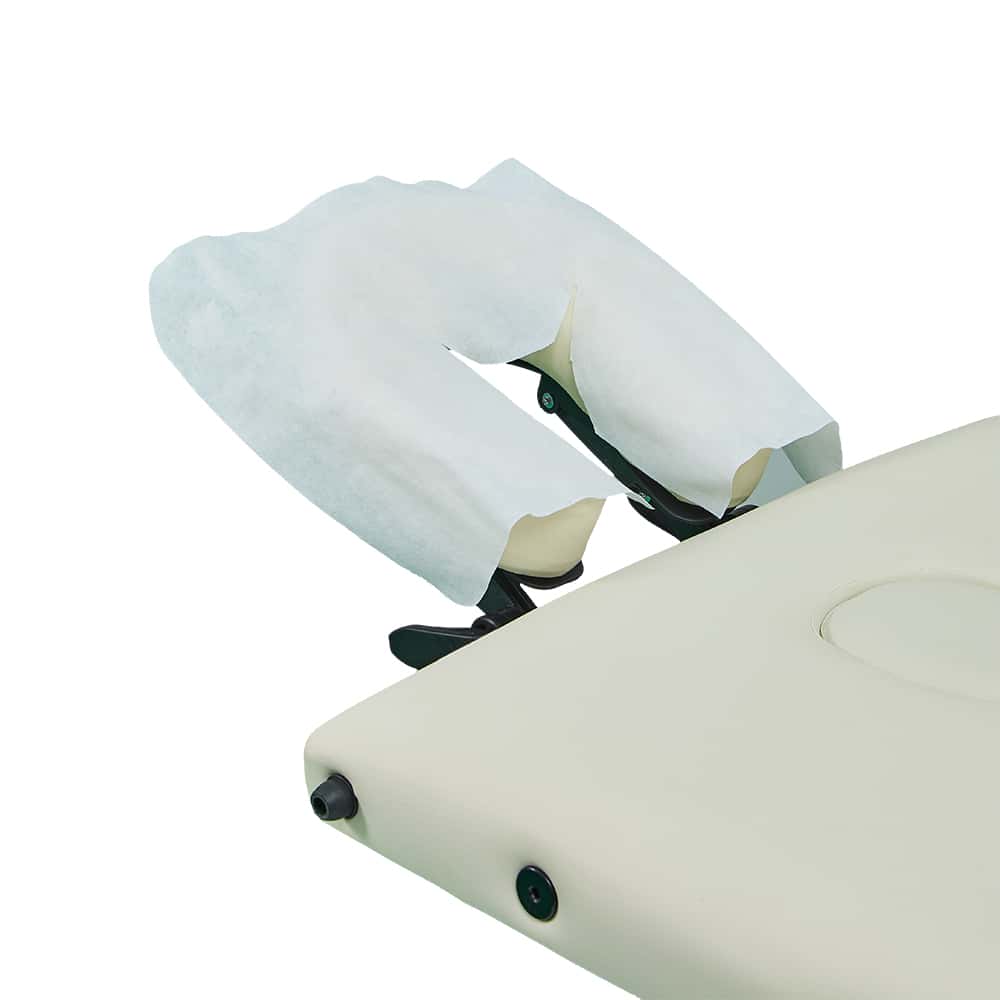
Modern clients are highly observant of sanitation practices. Utilizing a disposable face cradle cover not only provides a reliable, fluid-resistant barrier against sweat, cosmetics, and oils, but it also dramatically reduces turnover time between sessions. Instead of dealing with the endless laundry cycles and chemical degradation associated with traditional cotton linens, staff can effortlessly replace the protective layer in seconds. This operational efficiency allows practitioners to focus entirely on delivering exceptional treatment, while giving clients peace of mind knowing they are the very first to touch that surface.


The secret to a truly premium protective layer lies in the material composition. A medical-grade nonwoven face cradle cover offers the perfect balance of breathability, structural durability, and a cloth-like softness that feels gentle even on sensitive facial skin. Unlike cheap paper alternatives that crinkle loudly or tear under movement, advanced nonwoven fabrics remain completely silent and securely in place throughout intensive facial treatments or deep-tissue massages. It is a subtle upgrade that significantly enhances the overall client experience while safeguarding your high-end equipment from moisture and wear.


When sourcing these essential protective supplies for the global market, partnering directly with an experienced manufacturer is key to ensuring consistent quality and cost efficiency. With over 20 years of deep-rooted expertise in medical consumables and sanitary products, Telijie stands as a trusted, world-class manufacturing partner serving clients across the globe. Operating out of a massive 25,000-square-minute modern industrial park—which includes certified 100,000-level purification workshops—we combine rigorous quality control with high-capacity output to meet the strictest international standards.


Beyond our advanced manufacturing infrastructure, Telijie distinguishes itself through a comprehensive, client-first global service framework. We understand that every market has unique regulatory and aesthetic demands, which is why we provide full OEM/ODM customization options covering variable fabric weights, custom sizing, tailored packaging, and flexible bulk configurations. From rapid prototyping and free sample provisions to streamlined international logistics and transparent post-sales support, our experienced team ensures a friction-free supply chain from our factory floor directly to your warehouse, anywhere in the world.

Top

Maximizing Clinical Hygiene The Essential Guide to Disposable Exam Table Cover Rolls

Maintaining rigorous sanitation standards is a top priority for healthcare facilities, wellness clinics, and diagnostic centers worldwide. To prevent cross-contamination and ensure optimal patient comfort, medical professionals rely heavily on high-quality protective barriers. Utilizing a reliable bed paper roll has become standard practice for maintaining a smooth daily workflow, allowing staff to quickly refresh examination surfaces between patients. These disposable sheets provide an immediate, clean barrier against dust and microbes, serving as an indispensable asset for fast-paced medical environments.

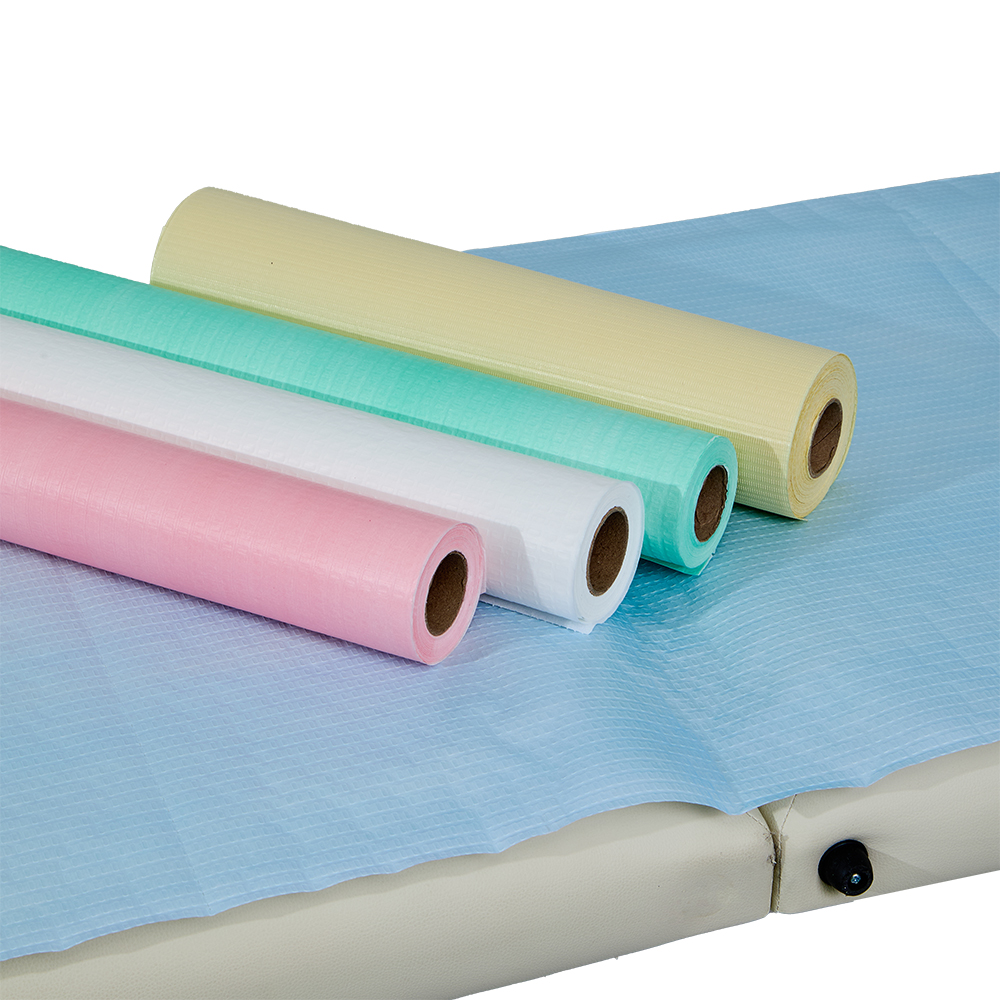
When dealing with bodily fluids, sanitizers, or ultrasound gels, standard paper liners often fall short by tearing or leaking when wet. This is where advanced solutions like the Disposable Examination Table Cover Roll PE Coated prove their value. Engineered by laminating soft, absorbent wood-pulp paper with a waterproof polyethylene (PE) film layer, this dual-action material offers premium liquid management. The top paper surface rapidly absorbs moisture, while the liquid-proof plastic backing prevents liquids from seeping through to the equipment underneath. This eliminates the risk of fluid strike-through, preserving the integrity of expensive clinical furniture and saving valuable cleanup time.

From general outpatient clinics to busy emergency wards, the demand for durable, tear-resistant protective layers is universal. A premium **hospital bed paper roll** features optimized configurations such as pre-cut perforated lines for easy, precise tearing and custom widths to fit standard examination couches perfectly. Whether deployed on stretchers, X-ray tables, or specialized therapy beds, these rolls provide lightweight protection without sacrificing durability. Implementing these single-use rolls minimizes preparation time between appointments and boosts patient confidence in facility cleanliness.

Partnering with Telijie: Global Manufacturing Excellence

As a leading global manufacturer with over 20 years of specialized industry experience, Telijie is dedicated to delivering medical-grade protective solutions to the international market. Operating advanced multi-line production facilities under strict ISO13485 and CE certifications, we guarantee that every batch meets the highest standards of reliability and material strength.

Beyond our premium product advantages, Telijie stands out through our comprehensive global service capabilities. We provide end-to-end supply chain support, including complete OEM/ODM customization for custom printing, sizes, and packaging structures, along with free sample provisions for technical quality verification. Backed by a seasoned international sales and logistics network, we ensure seamless shipping, flexible procurement options, and reliable long-term partnerships for medical distributors worldwide.

Top

Telijie Disposable Dental Bibs Hygiene, Comfort, and Protection for Every Patient

Why Choose Telijie Disposable Dental Bibs?


1. 3-Layer Premium Design: Absorbent & Leak-Proof

Crafted with a three-layer composite structure, our dental bibs balance softness and durability perfectly:
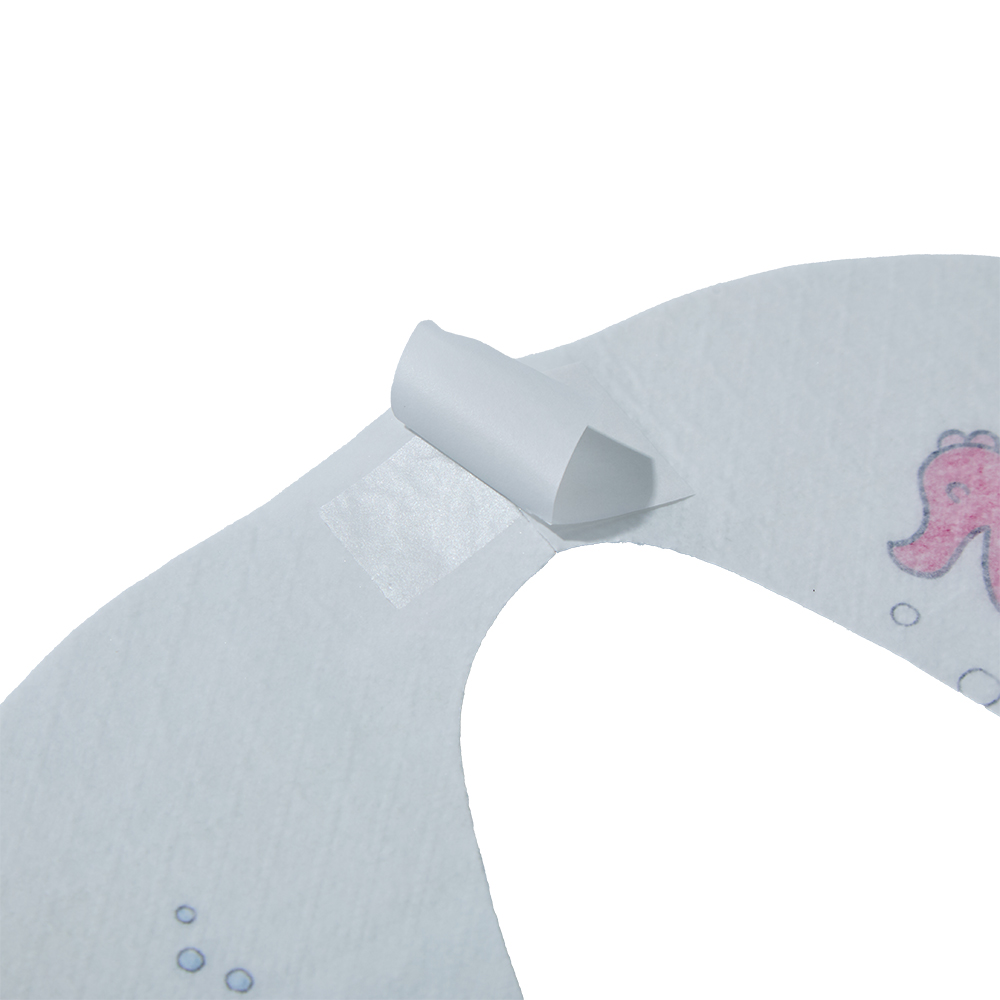
  • Top absorbent tissue layer: Features a ribbed embossed texture to quickly soak up saliva, water, and dental debris, keeping the patient’s skin dry and comfortable.
  • Middle reinforced layer: Enhances tear resistance, preventing tearing during procedures.
  • Waterproof PE film backing: Forms a reliable barrier to block liquids from seeping through to clothing, eliminating stains and cross-contamination risks.
  • 2. Vibrant, Practical Color Options

    Available in a wide range of colors including purple, blue, white, green, pink, and black, our bibs help you organize procedures, distinguish patient cases, and match your clinic’s aesthetic. The thick, opaque fabric prevents bleed-through, so even dark liquids won’t show through the bib.

    3. Hygienic, Single-Use Convenience

    In dental clinics, hygiene is non-negotiable. Our disposable bibs eliminate the need for laundering reusable cloth bibs, reducing labor costs and the risk of residual bacteria. Each bib is fresh, clean, and ready to use straight from the package, making them ideal for dental cleanings, surgeries, orthodontic adjustments, and cosmetic dentistry procedures.

    4. Universal Fit & Versatile Use

    With a standard 13” x 18” size (custom sizes available), our bibs cover the patient’s chest and shoulders completely. They can be used with a dental bib clip or tied in place for a secure fit that won’t shift during treatment. Beyond dentistry, they’re also perfect for beauty salons, tattoo studios, and meal assistance for elderly or disabled patients.

    The Telijie Advantage

    At Telijie Sanitary Materials Co., Ltd., we specialize in manufacturing high-quality disposable hygiene products that meet global standards. Our dental bibs are produced in dust-free workshops with strict quality control, ensuring consistent performance and safety for every patient. We also offer custom printing, sizes, and packaging to match your clinic’s brand identity.


    Ready to Upgrade Your Clinic’s Hygiene Standards?

    Telijie Disposable Dental Bibs are a simple yet essential upgrade for any dental practice, helping you deliver cleaner, safer, and more comfortable care to your patients.
    Contact Telijie Sanitary Materials Co., Ltd. today to request samples, explore bulk pricing, or discuss custom orders tailored to your clinic’s needs!


Top

Telijie Disposable Non-woven PE Gloves Hygienic, Protective, and Convenient for Every Use

By Telijie Sanitary Materials Co., Ltd.

Why Choose Telijie Disposable Non-woven PE Gloves?

1. Dual-Layer Design: Soft Non-woven + Waterproof PE Barrier

Our gloves combine the best of both worlds for optimal comfort and protection:
  • Outer non-woven layer: Soft, lint-free, and skin-friendly, offering a gentle, breathable feel that prevents irritation during extended wear.
  • Inner waterproof PE film: Forms a leak-proof barrier to block liquids, dirt, and contaminants from seeping through, keeping hands clean and dry.

  • 2. Reliable Hygiene & Cross-Contamination Prevention

    In environments where hygiene is critical, our single-use gloves eliminate the risks of reusable gloves. Each glove is fresh, clean, and ready to use straight from the package, making them ideal for medical exams, beauty treatments, food handling, and cleaning tasks. They help prevent the spread of bacteria, viruses, and germs between users and surfaces.

    3. Practical & User-Friendly Features

    • Universal fit: Designed to fit most adult hand sizes, with a slightly stretchy, flexible structure that allows full finger movement and dexterity.
    • Tear-resistant construction: The reinforced non-woven material is strong enough to resist tearing during use, even with wet or slippery tasks.
    • Lightweight & portable: Compact and easy to store, perfect for travel, on-the-go use, or bulk supply in clinics, salons, and food service businesses.

    4. Versatile Applications for Every Industry

    These gloves are suitable for a wide range of scenarios:
    • Dental & medical care: Patient exams, oral hygiene, and minor procedures.
    • Beauty & salons: Facials, manicures, pedicures, and hair treatments.
    • Food service & catering: Food preparation, handling, and serving.
    • Cleaning & janitorial work: Household chores, commercial cleaning, and sanitization tasks.
    • Elderly & home care: Assisting with bathing, feeding, and personal hygiene routines.


    The Telijie Quality Promise

    At Telijie Sanitary Materials Co., Ltd., we manufacture all our disposable hygiene products in dust-free workshops, with strict quality control at every production stage. Our gloves meet international safety standards, ensuring reliable performance for both professional and personal use. We also offer custom sizes, colors, and packaging to match your brand or facility’s specific needs.


    Ready to Upgrade Your Hygiene & Protection?

    Telijie Disposable Non-woven PE Gloves are a simple yet essential addition to any hygiene routine, helping you stay clean, safe, and comfortable in every task.
    Contact Telijie Sanitary Materials Co., Ltd. today to request samples, explore bulk pricing, or discuss custom orders tailored to your business needs!


Top

Endoscopy Alternatives Can a Saliva Test Diagnose Reflux?


Non-Invasive Rapid Pepsin Saliva Test

For decades, if a patient complained of persistent heartburn, regurgitation, or a chronic cough, the standard diagnostic pathway often led to one place: an endoscopy. This procedure, which involves passing a camera-tipped tube down the throat to examine the esophagus and stomach, has long been considered a cornerstone of reflux diagnosis. But it is invasive, expensive, and crucially it misses the majority of patients.


Endoscopy can only confirm reflux when it has already caused visible damage to the esophageal lining, such as erosions or Barrett's changes. In fact, studies show that endoscopy detects abnormalities in only about 30% of patients with gastroesophageal reflux disease (GERD). The remaining 70%—those with non‑erosive reflux disease (NERD)—receive a normal report despite suffering from significant symptoms [1]. For patients whose reflux reaches the throat, known as laryngopharyngeal reflux (LPR), endoscopy is even less useful, as the camera rarely extends high enough to assess the voice box or pharynx.


So, is there a simpler, non‑invasive way to find out whether reflux is truly the cause of your symptoms? The answer, increasingly, is yes—and it starts with a small saliva sample.


The Science Behind Saliva Testing

Reflux is not just about acid. The stomach produces a powerful digestive enzyme called pepsin, which breaks down proteins. Pepsin is unique to the stomach—it should never appear in saliva, throat secretions, or the airways under normal circumstances. When it does, it serves as a direct and objective biomarker that gastric contents have travelled upwards [2].


Pepsin testing works by detecting this enzyme in a patient’s saliva. Unlike endoscopy, which looks for secondary damage, pepsin testing identifies the root cause: the presence of stomach contents where they do not belong. This distinction is critical, particularly for patients with LPR, who often experience throat symptoms without ever feeling heartburn.


Clinical Evidence: How Accurate Is It?

A large multicenter study conducted in China validated the accuracy of Peptest—a laboratory‑based pepsin test—across nine hospitals, enrolling 1032 participants including 709 patients with confirmed GERD and 323 healthy controls. The results showed an overall sensitivity of 85%  for detecting reflux [1]. For patients with suspected LPR, a separate study found that Peptest Pepsin Detection achieved 100% specificity, meaning that a positive result was highly reliable in confirming the presence of reflux [3].

Now, Pepfast builds on this same proven technology. As a next‑generation version, it retains the core science, while introducing key innovations that make it simpler and faster for clinical use: no centrifugation, lab-free, and results in just 15 minutes. Designed for use under professional guidance, Pepfast has been clinically validated against Peptest with 100% concordance, meaning the same robust evidence applies.


How Does Saliva Testing Compare to Endoscopy?

The question is not whether a saliva test can replace endoscopy entirely—it cannot. Endoscopy remains essential for ruling out Barrett’s esophagus, strictures, and malignancies. However, for the vast majority of patients with uncomplicated reflux symptoms, a non‑invasive saliva test offers several advantages:


Feature Endoscopy Pepsin Saliva Test
Invasiveness Invasive, requires intubation Non-invasive, saliva only
Risk Perforation, bleeding, sedation risks None
Duration 1.5h 15 mins
Best for Ruling out serious pathology Confirming reflux as the cause
Access Specialist center Clinic or under professional guidance


For patients who are anxious about invasive procedures, or for whom endoscopy is not immediately indicated, a Mhrefluxcare saliva test can provide rapid, objective evidence to guide the next steps.


Who Might Benefit from a Saliva Test?

A non‑invasive reflux test is particularly valuable for:

  • Patients with throat‑dominant symptoms: Hoarseness, chronic cough, globus sensation, or throat clearing—especially when heartburn is absent.
  • Individuals continue to experience symptoms: A positive pepsin test can confirm that reflux is still occurring, even without visible esophageal damage.
  • Those seeking to monitor treatment response: Repeating the test after lifestyle changes or medication can provide objective feedback on whether reflux is under control.
  • Patients who are not candidates for invasive procedures: Due to age, comorbidities, or personal preference.


A Note on Pepfast and Professional Guidance

Pepfast Pepsin Detection Kit is a rapid, non‑invasive saliva test that detects pepsin without the need for centrifugation or laboratory equipment. It is designed to be used under the guidance of a healthcare professional, who can provide the test, instruct on sample collection, and interpret the results within the context of the patient’s full clinical picture. Results are available in approximately 15 minutes, enabling timely clinical decisions.


Frequently Asked Questions

1. Can a saliva test replace endoscopy for diagnosing reflux?
No. Endoscopy remains important for detecting precancerous changes and structural abnormalities. However, a saliva test can provide a simple, non‑invasive way to confirm whether reflux is occurring—particularly in patients with non‑erosive disease or throat‑dominant symptoms [1,3].


2. Is the saliva test easy to perform?
Yes. Pepfast requires a small saliva sample, applied to a lateral flow device. No centrifuge or special equipment is needed. Results are read visually within 15 minutes.


3. Can the test be used if I don’t have heartburn?
Absolutely. Pepsin testing is particularly useful for patients with extra‑esophageal symptoms such as chronic cough, hoarseness, or throat clearing—often called “silent reflux” [2,3].


4. How soon can I get results?
Pepfast provides a result in approximately 15 minutes from sample collection.


References

1. Wang YF, Yang CQ, Chen YX, et al. (2019). Validation in China of a noninvasive salivary pepsin biomarker containing two unique human pepsin monoclonal antibodies to diagnose gastroesophageal reflux disease. Journal of Digestive Diseases, 20(6):278-287.

2. Li J, et al. (2024). Salivary pepsin testing for laryngopharyngeal reflux: will it change our management? Current Opinion in Otolaryngology & Head and Neck Surgery, 32(6):398-402.

3. Kucova I, et al. (2021). The Diagnostic Value of the Peptest in Detecting Laryngopharyngeal Reflux. Journal of Clinical Medicine, 10(16):3621.


Top

Heartburn vs. Silent Reflux How to Tell the Difference?

That burning sensation in your chest after a spicy meal? That's classic heartburn, and it's hard to ignore. But what if your main complaint is a persistent tickle in your throat, a nagging cough, or the feeling of a lump that won't go away—without any burning sensation at all? You might be experiencing silent reflux, medically known as Laryngopharyngeal Reflux (LPR).


While both conditions stem from stomach contents traveling in the wrong direction, they affect different areas and present with vastly different symptoms. Understanding the difference is the first step toward finding the right answers. This article will clarify the distinct signs of heartburn and silent reflux, and explain why silent reflux is so often missed or misdiagnosed.


What is Heartburn?

Heartburn is not a disease itself, but a symptom—specifically, a burning sensation in the chest, just behind the breastbone. It typically occurs after eating, when lying down, or at night, and is caused by stomach acid flowing back into the esophagus.


This sensation is the most recognizable sign of acid reflux. It can last from a few minutes to several hours and is often described as a burning discomfort that moves up toward the throat. Occasional heartburn is common, but when it happens frequently, it may indicate an underlying condition such as Gastroesophageal Reflux Disease (GERD).


What is Silent Reflux (LPR)?

Silent reflux, or Laryngopharyngeal Reflux (LPR), is a condition where stomach contents—including acid and the digestive enzyme pepsin—travel all the way up past the esophagus, reaching the voice box (larynx) and the back of the throat (pharynx) [1].


It is called "silent" because it often occurs without the classic symptom of heartburn. Unlike the esophagus, the delicate tissues of the throat and voice box have no natural protection against acid or pepsin. Research has demonstrated that pepsin can damage the laryngeal and pharyngeal mucosa even at mild acidic or alkaline pH, showing some activity up to pH 8[3]. This means irritation and damage can occur without any burning sensation in the chest.


Key Differences in Symptoms

The most significant difference lies in where the symptoms are felt. Heartburn is felt in the chest, while silent reflux symptoms are focused in the throat and voice. A study of 120 LPR patients found the most common symptoms to be throat irritation (58.3%), globus sensation (46%), dry cough (24%), and regurgitation (15%) [1].


Symptom Heartburn Silent Reflux
Primary Sensation Burning in the chest Throat irritation, tickling, or lump sensation
Voice Usually unaffected Hoarseness, voice changes, need to clear throat constantly
Cough Less common Chronic, dry cough
Swallowing May have difficulty Sensation of a lump in the throat
Mucus Not a primary symptom Excessive mucus or postnasal drip sensation
Taste Sour or bitter taste in mouth Bad or bitter taste possible

Many patients with LPR describe a feeling of a lump in their throat that won't go away, or they may find themselves constantly clearing their throat. One study found that globus sensation was the most common item in the Reflux Symptom Index, affecting 54% of pepsin-positive patients[1]. Others report a sore throat that just never seems to heal.


The Diagnostic Challenge: Why "No Acid" Doesn't Mean "No Reflux"

This leads us to a common and frustrating question: "Why is my throat always sore but I feel no acid?" The answer is central to understanding LPR.


1. Silent Damage: The tissues of the larynx and pharynx are highly sensitive. Even a small amount of reflux—especially one containing the enzyme pepsin—can cause significant inflammation and symptoms. A systematic review published in the Journal of Voice found that salivary pepsin measurement for LPR diagnosis shows sensitivity ranging from 27.0% to 93.8% depending on the method and threshold used [2]. You don't need a large, acidic "event" to feel the effects.


2. Atypical Presentation: Many people with LPR do not have the classic heartburn symptoms. They are sometimes referred to as having "silent reflux" because the reflux itself is silent, even though its effects on the throat are quite noticeable. According to recent reviews, extraesophageal reflux presents with laryngopharyngeal symptoms including chronic cough and vocal changes [4].


About Maxhealth Innovative Meditech

If you'd like to learn more about the science behind reflux testing and treatment, Maxhealth Innovative Meditech is an innovative provider of complete solutions for reflux disease—from non‑invasive diagnostics to physical barrier therapies. Visit our page to see how we're advancing reflux care worldwide.


❓Frequently Asked Questions

1. What are the most common LPR symptoms?

The most common symptoms include throat irritation (58.3%), globus sensation (46%), chronic cough (24%), regurgitation (15%), hoarseness, and excessive throat clearing [1]. Unlike heartburn, chest burning is often absent.


2. Why is silent reflux called "silent"?

It is called "silent" because it often occurs without heartburn—the most recognizable symptom of acid reflux. The reflux happens without the person feeling the classic burning sensation, even though it is causing damage to the throat and voice box [4].


3. Why is my throat always sore but I feel no acid?

This is a hallmark of LPR. The stomach enzyme pepsin, not just acid, can damage the delicate lining of your throat. Research has shown that pepsin can damage laryngeal mucosa even at mild acidic or alkaline pH [3]. You may not feel the actual reflux event, but the presence of pepsin can cause persistent inflammation, soreness, and irritation.


4. Can you have both heartburn and silent reflux?

Yes, it is possible to have both conditions. Some people with GERD also develop LPR, as stomach contents can travel all the way up to the throat. However, many people with LPR never experience heartburn [4].


5. When should I see a doctor about my symptoms?

If you have persistent throat discomfort, hoarseness, chronic cough, or a feeling of a lump in your throat that doesn't go away, it's worth consulting an ENT specialist. They can help determine whether silent reflux or another condition is causing your symptoms.


Literature References

[1] Divakaran S, Manimaran V, Shetty S, et al. (2020). Laryngopharyngeal Reflux: Symptoms, Signs, and Presence of Pepsin in Saliva - A Reliable Diagnostic Triad. International Archives of Otorhinolaryngology, 25(2): e273-e278.

[2] Hiernaux A, et al. (2025). Salivary Pepsin Measurement in Laryngopharyngeal Reflux Disease: A Systematic Review of Diagnostic Accuracy and Performance. Journal of Voice, S0892-1997(25)00332-7.

[3] Li J, et al. (2024). Salivary pepsin testing for laryngopharyngeal reflux: will it change our management? Current Opinion in Otolaryngology & Head and Neck Surgery, 32(6):398-402.

[4] Blaine-Sauer S, et al. (2025). Extraesophageal reflux: Clinical manifestations and tools for diagnosis and treatment. Annals of the New York Academy of Sciences, 1547(1):233-244.


Medical Review by: Prof. Peter Dettmar, world-renowned expert in reflux disease and the original developer of pepsin detection technology.

Top

How to Use Pepfast to Diagnose Gastroesophageal Reflux Disease (GERD)


Gastroesophageal reflux disease (GERD) is one of the most prevalent chronic gastrointestinal disorders which affects nearly 20% population worldwide, with diverse and non-specific symptoms that create significant diagnostic challenges. Traditional diagnostic methods, including symptom questionnaires, PPI trials, endoscopy, and impedance-pH monitoring, are often limited by invasiveness, low specificity, or complex operation. Pepfast is a novel saliva-based lateral flow in vitro diagnostic device for the qualitative detection of pepsin, providing a non-invasive, rapid, and objective auxiliary approach for the clinical assessment of GERD. This article briefly introduces the scientific basis of pepsin as a reflux biomarker, the operating procedure and clinical value of Pepfast.


Introduction to Pepfast

Pepfast is a pepsin detection device lauched by Maxhealth Innovative Meditech based on UK core technology, dedicated to the auxiliary diagnosis of gastroesophageal reflux disease. It uses highly specific human monoclonal antibodies against pepsin and can obtain clear results within 15 minutes. The device does not require centrifugation or other laboratory equipment, which simplifies the clinical operation process while maintaining high diagnostic accuracy and reliability.


Pepfast has obtained NMPA Class II certification, CE marking and FDA clearance, and is suitable for use in gastroenterology, otorhinolaryngology, respiratory medicine and primary care institutions. Clinical verification shows that it has good consistency and diagnostic performance, and can be operated by patients under clinical guidance to ensure standardized operation and reliable results.


Pepsin as a Specific Biomarker for Reflux-Related Diseases

Pepsin is a proteolytic enzyme uniquely produced by gastric chief cells. Its presence in the esophagus, pharynx, or oral cavity indicates the occurrence of gastroesophageal reflux, making it a specific objective biomarker for reflux events [1].


A clinical study by Hayat et al. (2015) confirmed that salivary pepsin testing can effectively distinguish patients with reflux-related symptoms from those with functional heartburn, providing high-level clinical evidence for the diagnostic value of pepsin [1].


Operational Procedure of Pepfast

Pepfast is simple to operate and does not rely on laboratory instruments. Before sampling, individuals should avoid eating, carbonated drinks or smoking which will trigger reflux for at least 60 minutes to ensure sample validity.


After collecting saliva and mix it with the migration buffer, the mixed solution is directly added to the test kit, and the result can be read after 15 minutes. A single control line indicates a negative result, showing the patient was not refluxing at the time sample was collected; while both test line and control line indicate a positive result which shows the patient is refluxing gastric content and can be treated for reflux; no control line indicates an invalid test and needs to be repeated.

Clinical Value of Pepfast

Pepfast provides a standardized, non-invasive, and rapid auxiliary diagnostic solution for GERD, helping clinicians objectively confirm reflux events and reduce diagnostic bias caused by subjective symptom reports. It is particularly valuable in the initial screening of suspected reflux patients, differentiation between reflux-related symptoms and functional heartburn, and reduction of unnecessary invasive examinations and prolonged empirical PPI therapy. With reliable performance and simplified operation, Pepfast optimizes the clinical management pathway for GERD and promotes precise and personalized intervention for patients with suspected reflux.


References

1. Hayat JO, Gabieta-Somnez S, Yazaki E, et al. Pepsin in saliva for the diagnosis of gastro-oesophageal reflux disease. Gut. 2015; 64: 373–380.


❓Frequently Asked Questions

1. Who can perform the Pepfast test?

Pepfast can be operated by doctors as well as patients under clinical guidance to ensure standardized operation and reliable results.


2. How long is the Pepfast result valid after the test is performed?

The result appears within 15 minutes and should be read during this window. If more than 30 minutes have passed, the result is considered invalid. Please read the result within the specified timeframe for accurate interpretation.


3. Is there any age restriction for using Pepfast?

There is no specific age restriction. However, for infants and young children who are unable to spit on their own, a healthcare professional may need to collect the sample using a straw or aspirator. For elderly individuals, saliva may be thicker—please avoid collecting samples that contain sputum to ensure accurate results.


Top

Peptest in Clinical Practice A Non-Invasive Screening Tool Available Across Specialties

For years, diagnosing laryngopharyngeal reflux (LPR)—often called silent reflux—has been a challenge. Symptoms such as chronic cough, hoarseness, throat clearing, and a sensation of a lump in the throat can overlap with allergies, sinusitis, or voice disorders. Traditional diagnostic methods, including flexible laryngoscopy and 24hour multichannel intraluminal impedance-pH monitoring, are invasive, timeconsuming, and not always accessible in routine clinical settings.


That is why a growing number of medical professionals are turning to Peptest, a simple, noninvasive saliva test that detects pepsina direct biomarker of gastric reflux. Peptest is now used in hospitals and clinics across multiple specialties, providing objective evidence to support diagnosis and treatment decisions.


What the Research Shows

Multiple clinical studies have validated Peptest as a reliable screening tool for reflux disease. A study published in the Journal of Clinical Medicine evaluated Peptest in patients with suspected LPR and found that it demonstrated 100% specificity in detecting the condition, outperforming non‑invasive methods such as the Reflux Symptom Index (RSI) and Reflux Finding Score (RFS). The researchers concluded that a positive Peptest result is “highly supportive of a pathological LPR diagnosis” and noted its value as a screening test for physicians who cannot visualize the larynx, particularly in the context of COVID‑safe, non‑invasive procedures [1].


In China, a large multicenter study published in the Journal of Digestive Diseases further validated Peptest’s clinical utility. The study enrolled 1032 participants across nine hospitals in Shanghai and Beijing, including 488 patients with non‑erosive reflux disease (NERD), 221 with erosive esophagitis (EE), and 323 healthy controls. The results showed an overall pepsin‑positive sensitivity of 85% [2]. The study concluded that Peptest provides a rapid, non‑invasive alternative to traditional diagnostic methods and improves the accuracy of reflux diagnosis, particularly in a population where reflux disease has been underdiagnosed due to a lack of effective objective tests [2].


Together, these studies demonstrate that Peptest is a valuable tool across different populations and clinical settings, offering a simple, painless way to confirm or rule out reflux.


Which Specialties Can Benefit from Peptest?

Peptest is designed to support clinicians across a range of disciplines where reflux plays a hidden but significant role.

1. Ear, Nose and Throat (ENT) Specialists

ENT clinicians regularly see patients with hoarseness, globus sensation, throat clearing, and chronic cough—all potential signs of LPR. Peptest offers a quick, objective way to confirm reflux as the underlying cause, helping to differentiate it from other laryngeal conditions.

2. Gastroenterologists

For gastroenterologists managing patients with gastro‑esophageal reflux disease (GERD), Peptest provides a non‑invasive tool to assess whether reflux is reaching the upper airway. It can also be used to monitor treatment response in patients with persistent symptoms despite acid suppression.

3. General Practitioners (GPs) and Primary Care

GPs are often the first point of contact for patients with reflux symptoms. With Peptest, they can obtain objective evidence early, guiding appropriate referrals and avoiding unnecessary or prolonged use of acid‑suppressing medication before a confirmed diagnosis.

4. Pulmonologists and Chest Physicians

Chronic cough is a common extra‑esophageal manifestation of reflux. Peptest helps pulmonologists identify reflux as a contributor to persistent cough, potentially reducing unnecessary investigations for other causes.

5. Allergists

Symptoms such as throat irritation and post‑nasal drip can mimic allergies. Peptest enables allergists to rule out reflux when the diagnosis is uncertain, or to identify it as a coexisting condition requiring separate management.


Peptest in China: A Trusted Solution Since 2019

Peptest was first developed in the UK and has been used clinically for over 15 years. In 2019, it received NMPA registration, marking a significant step in making noninvasive reflux testing accessible to Chinese patients and clinicians.


Maxhealth Innovative Meditech serves as the exclusive distributor of Peptest in China, working closely with hospitals and healthcare providers to integrate this innovative diagnostic tool into routine practice. To learn more about the launch and our ongoing commitment to reflux care, read our company news here.


Why Early Diagnosis Matters

An early, objective diagnosis of reflux opens the door to targeted managementwhether that involves lifestyle modification, dietary changes, physical barrier therapies such as alginates, or, where appropriate, acid suppression. Peptest can also be used after treatment to assess whether reflux has been successfully controlled, providing a valuable endpoint that goes beyond symptom reporting [1].


For patients, the benefits are clear: a painless test that delivers clear answers. For clinicians, Peptest offers a practical, evidencebased tool that fits seamlessly into modern practice.


Frequently Asked Questions

1. How accurate is Peptest for detecting LPR?
In a published study, Peptest demonstrated 100% specificity in a group of patients with suspected LPR [1]. A large Chinese multicenter study reported an overall sensitivity of 85% for detecting GERD [2].

2. Is Peptest available in China?
Yes. Peptest received NMPA registration in 2019 and is distributed exclusively by Maxhealth. It is used in hospitals and clinics across the country.

3. Can Peptest be used to monitor treatment?
Yes. Peptest can be repeated during or after treatment to provide objective evidence of whether reflux is adequately controlled [1].

4. How does Peptest compare to endoscopy or pH monitoring?
Peptest is non‑invasive, requires no special equipment or lengthy procedures, and detects the presence of pepsin—a direct biomarker of reflux. It complements traditional methods by offering a simple, patient‑friendly screening option.


References

1. Kucova I, et al. (2021). The Diagnostic Value of the Peptest in Detecting Laryngopharyngeal Reflux. Journal of Clinical Medicine, 10(16):3621.

2. Wang YF, Yang CQ, Chen YX, et al. (2019). Validation in China of a noninvasive salivary pepsin biomarker containing two unique human pepsin monoclonal antibodies to diagnose gastroesophageal reflux disease. Journal of Digestive Diseases, 20(6):278-287.


Medical Review by: Prof. Peter Dettmar, worldrenowned expert in reflux disease and the original developer of pepsin detection technology.

Top

Where to Buy a Reflux Test Your Complete Guide to Getting a Non Invasive Pepsin Detection Kit

If you’ve been living with a persistent cough, hoarseness, throat clearing, or heartburn, you’ve probably wondered: Is there a test that can tell me if reflux is the cause—without an endoscopy or a tube down my nose? The good news is yes. A non‑invasive reflux test that detects the stomach enzyme pepsin in your saliva is now available. The even better news is that you don’t need to be in a hospital to get one. In many countries, you can obtain a Pepfast Pepsin Detection Kit through your doctor, a clinic, or even a pharmacy—thanks to the presence of trained pharmacists who can provide professional guidance.


This article explains exactly where and how you can access a reliable, medical‑grade reflux test, why professional oversight is a benefit (not a barrier), and how the process compares to traditional invasive diagnostics.


What Is a Pepsin Reflux Test and Why Is It Different?

Pepsin is a digestive enzyme produced only in your stomach. Under normal circumstances, it should never appear in your saliva. When it does, it is a direct biomarker that gastric contents have refluxed into your throat or airways. Unlike endoscopy, which looks for secondary damage, a pepsin test identifies the root cause: the presence of stomach contents where they don’t belong [1].


The Pepfast Pepsin Detection Kit uses lateral flow technology—similar to a rapid pregnancy test—to detect pepsin in a small saliva sample. It requires no tubes, no scopes, no sedation, and no centrifugation. Results appear in just 15 minutes.


Where Can You Get a Pepfast Pepsin Detection Kit? (Three Options)

Because Pepfast Pepsin Detection Kit is a regulated medical device, it is not sold over the counter like a candy bar. However, it is widely accessible through three professional channels.


1. Your Doctor (GP, ENT, or Gastroenterologist)

This is the most common route. You describe your symptoms—heartburn, regurgitation, chronic cough, hoarseness, lump sensation in the throat. If your doctor suspects reflux (especially LPR, the “silent” type), they can prescribe or provide you with a Pepfast kit. You take it home, collect a saliva sample in minutes, read the result in 15 minutes, and then discuss the outcome with your doctor to plan next steps.


2. A Hospital or Outpatient Clinic

Many gastroenterology or ENT clinics now stock pepsin tests as a first‑line screening tool. During your visit, a nurse or clinician may hand you the kit, explain the simple instructions, and have you collect the sample on‑site or at home. Results are then integrated into your clinical record.


3. A Pharmacy (with a Pharmacist)

In many countries, such as the UK, Germany, Australia, and parts of the US—pharmacists are trained healthcare professionals who can assess your symptoms, provide professional advice, and supply certain medical devices without a doctor’s prescription. This includes the Pepfast Pepsin Detection Kit. You can walk into a participating pharmacy, speak with the pharmacist about your reflux symptoms, and if appropriate, they will give you the kit, explain how to use it, and help you interpret the result. The pharmacist may also recommend follow‑up with a doctor if the result is positive or if symptoms persist.


Note: In some regions, you may need a prescription. Always check local regulations. The key point is that a trained professional—doctor or pharmacist—is involved to ensure correct use and interpretation.


Why Professional Guidance Is a Benefit, not a Hassle

Some people think, “Why can’t I just buy this online and do it completely alone?” The answer lies in clinical accuracy. A 2019 multicenter study in China involving over 1000 participants found that the pepsin test had a sensitivity of 85% for GERD [1]. For LPR, another study reported 100% specificity [2]. But no test is perfect. A false positive could lead to unnecessary medication; a false negative might delay treatment for another condition.


A professional—whether a doctor or a pharmacist—helps you:

  • Decide if the test is appropriate for your symptoms.
  • Ensure you collect the sample correctly (though the instructions are simple).
  • Interpret the result in the context of your medical history.
  • Recommend the next steps: lifestyle changes, physical barrier therapy (like alginates), acid suppression, or further testing.


Compare that to traditional reflux diagnostics:

  • Endoscopy: fasting, sedation, a camera down your throat, recovery time.
  • 24‑hour pH monitoring: a thin tube through your nose, worn for a full day, disrupting sleep and work.


With Pepfast pepsin detection kit, you spend a few minutes talking to a professional, then collect saliva at home. No sedation. No tubes. No missed work. The “professional step” is tiny compared to the invasiveness of older methods.


Why This Matters for Patients and for Distributors

For patients: You now have a simple, non‑invasive way to get objective evidence about whether reflux is causing your symptoms. The process is faster and far more comfortable than traditional testing.


For distributors and pharmacies: The growing demand for convenient reflux testing represents a significant market opportunity. Products like Pepfast, which are regulatory‑cleared (CE, FDA, NMPA) and designed for professional guidance, can be stocked by pharmacies and clinics. Pharmacists can offer the test as a value‑added service, helping patients get answers without a hospital visit. This aligns with the global shift toward community‑based, accessible diagnostics.


Introducing Pepfast: The Clinician‑Guided, Patient‑Friendly Test

Pepfast is a non‑invasive saliva test launched by Maxhealth Innovative Meditech that detects pepsin without centrifugation. It delivers results in 15 minutes and is intended for use under professional guidance—from a doctor, clinic, or pharmacist. With CE, FDA, and NMPA clearances, Pepfast is ready for distribution worldwide. It offers a simple, objective way to confirm reflux, enabling faster, more confident treatment decisions.

  • For patients: Ask your doctor or local pharmacist about Pepfast.
  • For pharmacies and distributors: Contact Mhrefluxcare for product specifications, and partnership opportunities.


❓Frequently Asked Questions

1. Can I buy a reflux test at a pharmacy without a prescription?

In many countries (e.g., UK, Germany, Australia), trained pharmacists can supply Pepfast pepsin detection kit after a brief consultation to ensure it’s appropriate for your symptoms. In other regions, a prescription may be required. Check with your local pharmacy.


2. What do the results mean?

Two lines = positive (pepsin detected, suggesting reflux). One C line = negative (no pepsin detected at this time). No line=invalid (need to repeat the test). Your healthcare professional will interpret the result alongside your symptoms.


3. How accurate is Pepfast pepsin detection kit?

Clinical studies report sensitivity of 85% for GERD and up to 100% specificity for LPR [1,2]. The test is a reliable screening tool when used under professional guidance.


4. Can I use Pepfast if I have throat symptoms but no heartburn?

Absolutely. Pepfast is especially useful for LPR (“silent reflux”), which often presents as hoarseness, chronic cough, throat clearing, or a lump sensation without heartburn.


Reference

[1] Wang YF, Yang CQ, Chen YX, et al. (2019). Validation in China of a non‑invasive salivary pepsin biomarker containing two unique human pepsin monoclonal antibodies to diagnose gastroesophageal reflux disease. Journal of Digestive Diseases, 20(6):278-287.

[2] Kucova I, et al. (2021). The Diagnostic Value of the Peptest in Detecting Laryngopharyngeal Reflux. Journal of Clinical Medicine, 10(16):3621.


Medical Review by: Prof. Peter Dettmar, world‑renowned expert in reflux disease and the original developer of pepsin detection technology.

Top

Hefei Telijie Sanitary Materials Co., Ltd. will participate in the 2025 SINCE exhibition

自1986年以来,SINCE展会已成功举办,涵盖了无纺布产业链的全过程。随着中国经济改革的步伐和无纺布产业的蓬勃发展,SINCE已发展成为亚洲地区重要且具有影响力的行业盛会。2025年12月3日至5日,合肥泰利杰卫生材料有限公司将携全系列产品亮相SINCE展会,并展示其在产品研发、生产制造和质量控制方面的综合实力和创新成果。


在本次展会上,泰利杰重点展示了其适用于各种应用场景的可水洗纸,同时还展出了床单卷、围兜、各类无纺布产品以及定制解决方案,充分展现了公司在卫生材料领域深厚的技术积累和持续创新能力。展会期间,泰利杰团队通过样品演示、技术讲解和一对一洽谈等方式,与众多客户进行了精准沟通。基于技术创新和服务升级,泰利杰为客户提供了更具针对性的产品匹配方案和优质的售前售后服务。


每一届SINCE都是行业关注和思想交流的重要平台;泰利杰已连续多年参加该展会,不仅展示了公司在卫浴材料领域的强大积累,而且通过与新老客户、供应商和行业专家的真诚交流,把握了行业最新趋势和合作机遇,促进了技术合作和业务拓展。


通过此次展会,泰利杰进一步巩固了国内外合作基础,并通过与行业伙伴的深入交流,更好地把握了国际市场的新趋势。未来,公司将继续加大研发投入,推进绿色生产和可持续材料应用,推动产品向高端化、差异化、多元化方向发展;同时,我们将强化数字化生产和服务能力,优化全球供应链和客户支持体系,以领先的技术和高端产品服务全球客户,不断提升品牌在全球卫浴材料市场的影响力和市场份额,为行业的健康可持续发展做出贡献。

Top