Exploring Lattice Vibration Mechanism And Sintering Assistant Strategy Of Silicon Nitride Substrates

In cutting-edge technologies such as high-performance electronic packaging, aerospace and energy conversion, silicon nitride (Si3N4) substrate materials are highly regarded for their excellent mechanical properties, chemical stability and high temperature resistance. However, the thermal conductivity of silicon nitride, as one of the key factors affecting its wide application, has always been the focus and difficulty of materials science research. This paper aims to deeply explore the main heat transfer mechanisms of silicon nitride substrate, namely lattice vibration and phonon conduction, and systematically analyze the influence of the selection and optimization strategy of sintering additives on the thermal conductivity of silicon nitride substrate, in order to provide theoretical basis and practical guidance for improving the thermal management efficiency of silicon nitride substrate.


A deeper understanding of heat transfer mechanisms

The main heat transfer mechanism of silicon nitride, namely lattice vibration and phonon conduction, is a complex and fine process. The nonlinear propagation and collision of phonons in the lattice are not only limited by the interlattice coupling, but also deeply affected by the internal microstructure characteristics of materials. In particular, many defects (such as vacancies, dislocations), impurity atoms and grain interfaces exist in Si3N4 crystals, which, as the center of phonon scattering, significantly reduce the mean free path of phonons, and thus become the main bottleneck limiting the improvement of silicon nitride thermal conductivity. Lattice oxygen, as one of the most important defect types, not only increases the probability of phonon scattering, but also causes lattice distortion, which further weakens the heat conduction efficiency.

Microstructured Silicon Nitride Substrates 


Optimization strategy of sintering additives

In view of the strong covalent bond of silicon nitride and the difficulty of compact sintering through solid phase diffusion, the selection and application of sintering additives are particularly important. Traditionally, oxides such as MgO, Al2O3, CaO and rare earth oxides are widely used as sintering additives, which promote liquid phase sintering by forming low melting point eutectic melts, thereby increasing the density of silicon nitride. However, these oxide sintering additives bring densification at the same time, but also introduce a new problem: their own low thermal conductivity and may cause grain boundary phase changes (such as the formation of SiAlON solid solution), have an adverse effect on the overall thermal conductivity of silicon nitride ceramics.

In order to overcome this problem, scientists began to explore the application of non-oxide sintering additives. Non-oxides, such as MgSiN2 and rare earth fluoride, show unique advantages. They can not only reduce the secondary phase and lattice oxygen content of silicon nitride, but also promote the reduction of grain boundary phase and the reduction of SiO2 through specific chemical reactions (such as rare earth fluoride reacting with SiO2 to produce volatile SiF4), so as to effectively reduce the lattice oxygen content and improve the thermal conductivity. However, the commercial application of non-oxide sintering additives still faces challenges, and their high cost and supply constraints limit their application in large-scale production.


Comprehensive strategy: oxide + non-oxide sintering additives

In view of the above analysis, a possible solution is to adopt an "oxide + non-oxide" composite sintering auxiliary system. This strategy aims to combine the advantages of two types of sintering additives: oxide additives provide the necessary liquid phase sintering environment to ensure the densification of the material; The non-oxide additives further reduce the lattice oxygen content and increase the thermal conductivity through their unique chemical properties. Through a carefully designed formulation system, it is possible to achieve fine control of the sintering process and the performance of the final product, so as to maximize the thermal conductivity of the silicon nitride substrate while ensuring the production efficiency.


In summary, the optimization of thermal conductivity of silicon nitride substrate material is a complex process involving multiple factors and layers. By deeply understanding the microscopic mechanism of lattice vibration and phonon conduction, as well as precisely regulating the selection and formulation system of sintering additives, we can effectively overcome the bottleneck faced by silicon nitride materials in improving thermal conductivity. In the future, with the continuous deepening of material science research and continuous progress of technology, we have reason to believe that silicon nitride substrate materials will show its unique charm and broad application prospects in more fields. At the same time, this will also promote technological innovation and industrial upgrading in related fields, and contribute to the sustainable development of human society.

Top

How Does Hot Isostatic Pressing Sintering Technology Facilitate High-Quality Transparent Ceramic Production?

As a kind of high performance material, transparent ceramics show great application potential in optics, electronics, aerospace and other fields because of its unique light transmission, high strength and good thermal stability. However, the preparation process of transparent ceramics is complicated, especially the sintering process, which is directly related to the final properties of the material. Among many sintering methods, hot isostatic pressing has become one of the key technologies for preparing high quality transparent ceramics with its unique advantages. In this article, the principle, characteristics and application of hot isostatic pressing sintering technology in the preparation of transparent ceramics will be discussed in depth, in order to provide reference for the research and development of related fields.


high-yield transparent ceramics


Overview of hot isostatic pressing sintering technology

Hot isostatic sintering combines the advantages of normal temperature isostatic pressure and high temperature sintering, and realizes uniform and efficient sintering of ceramic billet by applying isostatic pressure to the protective gas in the high pressure vessel.


Advantages of isostatic pressure uniformity

Compared with the traditional sintering method, hot isostatic pressing applies the same pressure in all directions through high pressure protection gas, which effectively avoids the defects caused by uneven pressure inside the body, such as cracks, deformation, etc., thus improving the yield and optical properties of transparent ceramics.


The role of protective gases

The selection of appropriate protective gases (such as argon, nitrogen, etc.) can not only prevent the ceramics from being oxidized during the high-temperature sintering process, but also reduce the loss of the mold, ensure the purity and stability of the sintering environment, and provide a strong guarantee for the preparation of high-quality transparent ceramics.


Applicability of hot isostatic pressing sintering

The technology is suitable for many types of transparent ceramic materials, including but not limited to alumina, aluminum nitride, yttrium oxide, etc., showing a wide range of material adaptability and process flexibility.


In summary, hot isostatic pressing sintering technology has opened up a new path for the preparation of transparent ceramics with its unique pressure application method and good sintering environment control. It not only solves the common problems of uneven pressure and oxidation pollution in traditional sintering methods, but also significantly improves the light transmission, mechanical properties and thermal stability of transparent ceramics. With the continuous progress of material science and technology, hot isostatic pressing sintering technology is expected to achieve application expansion in more fields, and promote the development of transparent ceramic materials to higher performance and wider application direction. In the future, further optimization of sintering parameters and exploration of new ceramic material systems will be an important direction of hot isostatic pressing sintering technology research, in order to continuously meet the new challenges of scientific and technological development and market demand.

Top

How Does Ultrahigh Pressure Enable the Preparation of Nanostructured Transparent Ceramics?

As a kind of high-efficiency material, transparent ceramics show great application potential in optics, electronics, aerospace and other fields because of its unique optical transmittance, high strength and good thermal stability. However, the traditional methods of preparing transparent ceramics often face challenges such as abnormal grain growth, high sintering temperature and complicated process. In recent years, the use of ultrahigh pressure technology to prepare transparent ceramics has become a research hotspot, especially for the preparation of nanostructured transparent ceramics, this method not only simplifies the process, but also significantly improves the performance of the material. In this paper, the methods, advantages and potential applications of ultrahigh pressure preparation of nanostructured transparent ceramics are discussed.


Optically Superior Transparent Ceramics


The basic principle of ultrahigh pressure preparation of transparent ceramics

The core of ultrahigh pressure preparation of transparent ceramics is to directly sintering high-purity powder raw materials into bulk ceramics under ultra-high pressure environment of more than 1GPa. In this process, the ultra-high pressure environment exerts great pressure on the powder particles , effectively inhibits the growth of the grains, and reduces the sintering temperature. When the initial material is nano-powder, the ultrahigh pressure sintering can preserve the nano-structure of the powder, so as to obtain nano-structured transparent ceramics.


Advantages of ultrahigh pressure preparation of transparent ceramics

1. Short sintering time: Ultra-high pressure environment accelerates the diffusion and bonding between powder particles, significantly shortening the sintering time.

2. Low sintering temperature: Ultra-high pressure reduces the activation energy required for sintering, so that densification can be achieved at a lower temperature.

Grain size control: By adjusting the parameters of ultra-high pressure sintering, the size of the grain can be precisely controlled, so as to obtain the ideal microstructure.

3. High density of the sample: the sample obtained by ultra-high pressure sintering has high density, reducing pores and defects, and improving the overall performance of the material.

4. Excellent light transmission performance: nanostructured transparent ceramics have higher light transmittance and lower light scattering, showing excellent optical properties.


Application potential of ultrahigh pressure transparent ceramics

Nanostructured transparent ceramics have wide application potential in many fields because of their unique properties. For example, in the field of optics, it can be used as a substrate for high-performance lenses, window materials and optoelectronic devices; In the field of electronics, it can be used to make high-reliability encapsulation materials for capacitors, sensors and integrated circuits; In the aerospace field, it can be used as a transparent window and protective material under high temperature and high pressure environment. In addition, With the continuous progress of materials science, the application of nanostructured transparent ceramics in biomedicine, energy storage and conversion will continue to expand.


In summary, the preparation of nanostructured transparent ceramics by ultrahigh pressure is a method with significant advantages and wide application potential. This method not only simplifies the process, reduces the production cost, but also significantly improves the performance and quality of the material. In the In the future, with the continuous development and improvement of ultra-high pressure technology, the application field of nanostructured transparent ceramics will be further expanded, providing strong support for scientific and technological progress and social development. Therefore, in-depth research and development of ultrahigh pressure preparation of nanostructured transparent ceramics technology and methods, to promote the development of materials science is of great significance.

Top

How Does Vacuum Sintering Technology Facilitate the Preparation of Transparent Ceramics?

As a kind of high performance material, transparent ceramics show great application potential in the fields of optical window, laser medium and high temperature wave transmittance materials because of its unique optical transparency and excellent mechanical properties. Among the many methods of preparing transparent ceramics, vacuum sintering technology has become one of the most widely researched and applied methods with its unique advantages. In this paper, the principle, characteristics and application of vacuum sintering technology in the preparation of transparent ceramics are discussed in order to provide theoretical reference and practical guidance for the research and development of transparent ceramic materials.


Light-transmissive transparent ceramics


Basic principle and mechanism of vacuum sintering

Vacuum sintering refers to the method of heating the ceramic body in a complete or partial vacuum environment to reach the sintering temperature and complete the densification process. The vacuum environment creates the internal and external pressure difference, promotes the effective discharge of pores, significantly reduces the porosity of ceramics, and promotes the growth of grains, forming a high density microstructure. In addition, the vacuum condition effectively inhibits the decomposition and element volatilization of ceramic materials at high temperatures, ensuring the chemical stability of the materials.


Advantages of vacuum sintering technology

Compared with other sintering methods, vacuum sintering has remarkable operation simplicity, cost effectiveness and production efficiency. No need for complex pressure control system, reducing equipment cost and maintenance difficulty; At the same time, because the vacuum environment accelerates the process of pore elimination and grain growth, the sintering cycle is shortened, and the production efficiency is improved. These advantages make vacuum sintering the preferred technology for large-scale industrial production of transparent ceramics.


Application of vacuum sintering in the preparation of transparent ceramics

Many kinds of oxide based ceramics, especially rare earth activated Yttrium aluminum garnet (YAG), Yttrium oxide (Y₂O₃) and alumina (Al₂O₃), have been successfully prepared by vacuum sintering technology of high quality transparent ceramics. These materials not only have excellent light transmission properties, but also show good thermal stability and mechanical strength, and are widely used in solid state lasers, optical lenses, high temperature sensors and other fields, promoting the rapid development of related technologies.


In summary, vacuum sintering technology plays an important role in the preparation of transparent ceramics due to its unique sintering mechanism, significant cost effectiveness and wide application prospects. With the continuous progress of material science and the continuous optimization of preparation technology, vacuum sintering technology is expected to show greater potential in the preparation of more types of transparent ceramic materials, further broaden the application field of transparent ceramics, and inject new vitality into the development of high-tech industry. In the future, in-depth study of the microscopic mechanism in the vacuum sintering process and exploration of more efficient sintering process parameters will be the key direction to promote the performance of transparent ceramic materials and expand its application range.

Top

How to Efficiently Prepare and Optimize Aluminum Nitride Ceramic Copper Clad Plates?

With the rapid development of power electronic technology, especially the wide application of power semiconductor devices such as high voltage, high current and high frequency IGBT modules, more stringent requirements are put forward for ceramic copper-covered substrates. As a kind of ceramic material with high thermal conductivity, low dielectric constant and good mechanical properties, aluminum nitride (AlN) is an ideal choice for preparing high performance ceramic copper-coated substrates. However, the surface properties of aluminum nitride substrate  make it difficult for copper and copper oxides to wet and spread on it, limiting its direct application to DBC (direct bonded copper) processes. Therefore, to explore the efficient preparation process of aluminum nitride ceramic copper clad plate and optimize its performance has become the focus of current research.


Mechanically Robust Aluminum Nitride Substrate


Challenges and solutions for the Aluminum nitride DBC preparation process: The surface properties of aluminum nitride make direct bonding with copper difficult. The wettability of copper and copper oxides on the surface of aluminum nitride can be significantly improved by forming a dense and uniform aluminum composite layer on the surface of aluminum nitride. The DBC process uses the eutectic bonding of copper and alumina, and realizes the firm bonding of ceramic and copper foil through chain furnace sintering.


Introduction and advantages of the AMB process: As an improvement of the DBC process, the AMB (Active metal brazing) process uses the active element in the filler metal (such as Ti) to react with the ceramic to generate a reaction layer (such as TiN) that can be wetted by the liquid filler metal, thus enhancing the binding force of the ceramic and copper foil. The AMB process requires vacuum sintering to prevent oxidation of the active metal, and although the process complexity increases, the binding force is stronger and the reliability is higher.


Comparison of DBC and AMB process: The DBC process uses one step copper etching, while the AMB process consists of one step copper etching and one step TiN etching, the latter process is more difficult. However, the binding force of AMB-AlN is superior to that of DBC-AlN, showing higher reliability and performance.


Performance optimization direction of aluminum nitride ceramic copper-covered plate: With the development of power semiconductor devices, the performance requirements of ceramic copper-covered substrate are constantly improving. Improving the strength of aluminum nitride ceramics and further optimizing the preparation process to achieve higher reliability , temperature resistance and current carrying capacity are important directions of subsequent research.


To sum up, the preparation process of aluminum nitride ceramic copper clad plate has experienced the evolution from DBC to AMB, through the introduction of active metal brazing and vacuum sintering technology, effectively solve the problem of aluminum nitride surface wettability, significantly improve the bonding force and overall reliability of ceramics and copper foil. However, with the continuous progress of power semiconductor device technology, the performance requirements of ceramic copper-covered substrates are also increasing. Therefore, future research should focus on further optimizing the preparation process and improving the strength of aluminum nitride ceramics to meet the packaging needs of high-performance power semiconductor devices such as high voltage, high current and high frequency IGBT modules, and promote the sustainable development of power electronics technology.

Top

Is ZrO2 Ceramic the Future of Smart Wearable Device Shell Materials?

With the rapid development of science and technology, smart wearable devices have gradually integrated into our daily life, especially in the field of sports and health play an irreplaceable role. From tracking exercise to monitoring heart rate, these devices offer us unprecedented convenience and comfort. However, with the continuous evolution of artificial intelligence technology, the degree of intelligence of smart wearable devices is increasing, and the requirements for device shell materials are becoming increasingly stringent. The purpose of this paper is to discuss the advantages and disadvantages of existing smart wearable device shell materials, and look forward to the future innovation direction.

 Customizable ZrO2 Ceramic Shell

Introduction to ZrO2 Ceramic as a Potential Shell Material for Smart Wearables

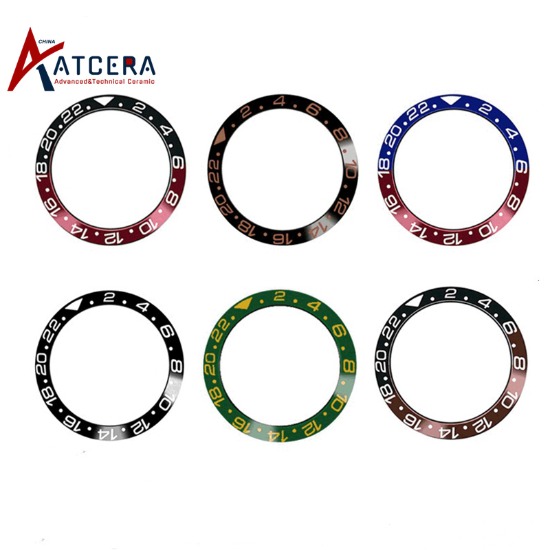
At present, the watch bezel of smart wearable devices is mostly made of metal or plastic. The metal shell is favored for its good heat dissipation performance, but it also brings the problem of hot equipment caused by too fast heat conduction, affecting the user experience. In addition, after the metal shell is anodized and multi-color spray painting treatment, although the appearance is bright, once the physical collision occurs, it is easy to drop paint and oxidation, reducing gloss and affecting the appearance.


Advantages and Disadvantages of Current Smart Wearable Shell Materials

The plastic shell is slightly inferior because of its poor texture. Although manufacturers are constantly trying to add design elements such as patterns and imitation leather to enhance the feel, the plastic shell still looks dull compared to the premium feeling generated by metal and glass materials. At the same time, the heat dissipation effect of the plastic shell is general, and the heat cannot be dispersed in time, which may have a negative impact on the operation effect of the equipment.


The Limitations of Metal and Plastic Shell Materials

Given the limitations of existing materials, future innovations in the housing materials of smart wearable devices will be crucial. On the one hand, the need to develop new metal materials, both to maintain good heat dissipation performance, but also to avoid heat conduction too fast resulting in hot problems. At the same time, new metal materials should have stronger collision resistance to reduce the risk of paint loss and oxidation.


The Promise of ZrO2 Ceramic and Other Non-Metallic Materials

On the other hand, new non-metallic materials, such as ceramics and glass, should be actively explored. These materials not only have a better texture and enhance the overall beauty of the device, but may also have better heat dissipation and wear resistance. In addition, with the development of advanced manufacturing technologies such as 3D printing, the zirconia ceramic watch bezel will be more diversified in the future to meet the needs of users for personalized and customized.


Future Directions in Smart Wearable Shell Material Innovation

Smart wearable devices are indispensable supplies in future life, and the innovation of its shell materials will directly affect the user experience and the overall performance of the device. By constantly exploring new metallic and non-metallic materials, we are expected to see more beautiful, durable and intelligent smart wearable devices in the future. These devices will not only better serve our sports and health needs, but also bring us a more convenient and comfortable life experience. Therefore, the innovation of smart wearable device shell materials is not only the embodiment of scientific and technological progress, but also an important guarantee for the improvement of the quality of life in the future.

Top

Optimizing Silicon Carbide Crucible Performance Material & Process

With the continuous progress of ceramic materials science and technology, silicon carbide (SiC), as a class of high-performance non-oxide ceramic materials, has shown great application potential in many industrial fields because of its unique physical and chemical properties. Especially in high temperature kilns, silicon carbide crucible , with its excellent high temperature resistance, corrosion resistance and high thermal conductivity characteristics, has become a key component for bearing and protecting the high temperature sintering process. The purpose of this paper is to investigate the material composition of sic crucible, analyze the characteristics of its core material, and examine how auxiliary materials work together to optimize the overall performance of the crucible.


High Thermal Conductivity Silicon Carbide Crucible


Characteristics of silicon carbide core material

1. High hardness and wear resistance: the hardness of silicon carbide is second only to diamond, which gives the crucible excellent wear resistance and effectively extends the service life.

2. Excellent corrosion resistance: silicon carbide has good chemical stability for a variety of acid and alkali media, and is suitable for sintering operations in a variety of complex environments.

3. High thermal conductivity: Its high thermal conductivity contributes to rapid and uniform heating, improving sintering efficiency and reducing energy consumption.


Addition and performance optimization of auxiliary materials

1. The role of the binder: by adding an appropriate amount of the binder, such as silicate, alumina, etc., can improve the agglomeration of silicon carbide powder, enhance the plasticity of the material, and facilitate molding processing.

2. The introduction of plasticizers: Plasticizers (such as polyvinyl alcohol, paraffin, etc.) can effectively reduce the viscosity of the material, improve the compactness and uniformity of the billet, which is conducive to the subsequent sintering process.

3. The addition of reinforcing phase: by adding reinforcing phases such as carbon fiber, graphite or silicon nitride, the mechanical strength and thermal shock resistance of the crucible can be significantly improved, and its stability at extreme temperatures can be enhanced.


Effect of manufacturing process on performance

Process parameters such as mixing uniformity, forming pressure, sintering temperature and holding time have important effects on the final performance of sic crucible. Reasonable process design can give full play to the potential of materials and realize the optimization of performance.


In summary, the performance optimization of sic crucible is a comprehensive process involving material composition, auxiliary material selection and manufacturing process control. By precisely regulating the ratio of silicon carbide core material and auxiliary material, combined with scientific manufacturing process, the hardness, wear resistance , corrosion resistance and mechanical strength of the crucible can be significantly improved, while optimizing its thermal conductivity to meet the diverse needs of the field of high temperature sintering. In the future, with the in-depth development of material science and the continuous innovation of preparation technology, the performance of silicon carbide crucible will be further improved, and the application field will continue to expand, contributing to the technological progress and sustainable development of related industries.

Top

Study On Thermal Conductivity Of Aluminum Nitride Substrate And Analysis Of Influence Of Oxygen Impurity

For a long time, most of the substrate materials of high-power hybrid integrated circuits have been using Al2O3 and BeO ceramics, but the thermal conductivity of the Al2O3 substrate is low, and the thermal expansion coefficient is not well matched with Si. Although the comprehensive performance of BeO is excellent, its high production cost and highly toxic shortcomings limit its application and promotion. Therefore, from the performance, cost and environmental protection factors, the two can not meet the needs of modern electronic power devices and development.

 Advanced Ceramic AlN Substrate


Aluminum nitride ceramics have excellent comprehensive properties, is a new generation of advanced ceramics that has been widely concerned in recent years, and has a wide range of application prospects in many aspects, especially its advantages of high thermal conductivity, low dielectric constant, low dielectric loss, excellent electrical insulation, thermal expansion coefficient matching silicon and non-toxicity. Making it an ideal material for high-density, high-power and high-speed integrated circuit boards and packages.

 AlN crystal structure

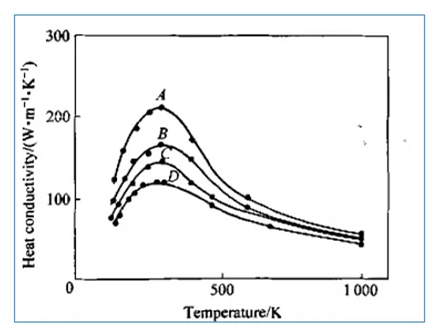
High thermal conductivity is the most significant characteristic of aluminum nitride substrate. The main mechanism is: through lattice or lattice vibration, that is, through lattice wave or thermal wave heat transfer.


AlN ceramics are insulating ceramic materials, for insulating ceramic materials, heat energy is transferred by atomic vibration, which belongs to phonon heat conduction, phonons play an important role in its heat conduction process. The thermal conductivity of aluminum nitride can theoretically reach 320w/ (m·k), what causes this gap?

There are impurities and defects in aluminum nitride, resulting in the thermal conductivity of aluminum nitride substrate is far from the theoretical value. The impurity elements in the aluminum nitride powder are mainly oxygen and carbon, and there are also a small amount of metal ion impurities, which produce various defect forms in the lattice, and the scattering of these defects on the phonon will reduce the thermal conductivity.

Relationship between AlN thermal conductivity and temperature


So what are the factors that affect the mean free path of phonons?

1. In the heat transfer process, the defects, grain boundaries, holes, electrons and phonons themselves will produce phonon scattering, thereby reducing the mean free path of phonons and further affecting the thermal conductivity.

Impurity oxygen and Al2O3 play a major role in phonon-defect scattering.

1. Because AlN is easy to hydrolysis and oxidation, a layer of Al2O3 is formed on the surface, and Al2O3 is dissolved into the AlN lattice to produce aluminum vacancies. 2.AlN has a strong affinity with oxygen, which is easy to enter the aluminum nitride lattice, and the oxygen in the lattice has a high displacement solubility, which is easy to form oxygen defects.

The relationship between defects in the AlN lattice and oxygen concentration:

When [O] <0.75% O is uniformly distributed in the AlN lattice, it occupies the N position in AlN and is accompanied by Al vacancy.

When [O] ≥0.75% Al atom position changes, Al vacancy is eliminated at the same time, and an octahedral defect is formed.

At higher concentrations, extended defects will be formed, such as oxygen-containing layer faults, inversion domains, polybodies, etc.

The presence of oxygen impurities seriously affects the thermal conductivity of AlN. The presence of oxygen defects increases the scattering area cross section of phonons and decreases the thermal conductivity of AlN.

Therefore, the presence of oxygen impurities seriously affects the thermal conductivity of AlN, which is the main factor for the reduction of thermal conductivity.


In summary, aluminum nitride ceramics with its unique comprehensive properties, especially its high thermal conductivity, low dielectric constant, low dielectric loss, excellent electrical insulation and silicon matching thermal expansion coefficient and non-toxicity characteristics, become the ideal material for modern high-density, high-power and high-speed integrated circuit board and packaging. However, the actual thermal conductivity of aluminum nitride ceramics is often much lower than its theoretical value, which is mainly due to the presence of impurities and defects in the material, especially oxygen impurities, the scattering effect on the phonon heat transfer process.

Oxygen impurities not only easily enter the aluminum nitride lattice to form oxygen defects, but also cause more complex crystal structure changes at higher concentrations, such as octahedral defects, oxygen-containing layer faults, inversion domains, etc., which greatly reduce the thermal conductivity of aluminum nitride. Therefore, optimizing the preparation process of Al nitride ceramics, reducing the content of oxygen impurities and controlling the formation of crystal defects are the key to improve the thermal conductivity of Al nitride ceramics.

Looking forward to the future, with the continuous progress of material science and preparation technology, the performance of aluminum nitride ceramics will be further improved, and its application in high-power integrated circuit board and other high-tech fields will be more extensive and in-depth. At the same time, the in-depth study on the thermal conductivity mechanism and influencing factors of aluminum nitride ceramics will also provide important reference for the development of other advanced ceramic materials.

Top

The Applicability of Aluminum Nitride Substrate as a Packaging Material for Enhancing Heat Dissipation in Power Devices

With the rapid development of electronic technology, the comprehensive performance of electronic chips is improving day by day, but the overall size is shrinking. This trend brings significant performance improvements, but it also comes with a serious challenge - a dramatic increase in heat flux. For electronic devices, even a small increase in temperature can have a significant impact on their performance and life. According to research, every 10℃ increase in device temperature, its effective life will be shortened by 30% to 50%. Therefore, how to effectively manage the heat and improve the heat dissipation capacity of the device has become the key technical bottleneck for the development of high-power devices. In this context, aluminum nitride substrate with its excellent performance, is gradually becoming the preferred material in the field of power device packaging.

 AlN Substrate for High-Power LED Packaging


Performance Advantages of Aluminum Nitride Substrate

High thermal conductivity

Aluminum nitride (AlN), as a high-performance ceramic material, stands out for its excellent thermal conductivity. Its thermal conductivity is not only comparable to some metals, but also more than traditional polymer substrates. This feature allows the aluminum nitride substrate to quickly export the heat generated by the chip, effectively reducing the operating temperature of the chip, which significantly improves the reliability and service life of the device. For extremely high power density devices such as high-power leds, aluminum nitride substrates are undoubtedly ideal for heat management.


Excellent heat resistance

under high temperature environment, aluminum nitride substrate can maintain stable performance and is not easy to thermal expansion or thermal deformation. This feature is particularly important for electronic devices that need to operate under high temperature conditions, ensuring the long-term stability and reliability of the package structure.

High insulation: The excellent insulation properties inherent in ceramic materials are fully reflected in the aluminum nitride substrate. High insulation not only prevents short circuits, but also protects the safety of electronic components, providing more flexibility and security for package design.


High strength and excellent thermal matching

Aluminum nitride substrate not only has high strength, can withstand the mechanical and thermal stress during the packaging process, but also has good thermal matching with a variety of chip materials (such as silicon, gallium nitride, etc.). This feature helps reduce thermal stress due to differences in the coefficient of thermal expansion, further improving the overall reliability of the package.


Application Field and Development Prospect

With its comprehensive advantages in thermal conductivity, heat resistance, insulation, strength and thermal matching, aluminum nitride substrate has been widely used in semiconductor lighting, laser and optical communication, aerospace, automotive electronics, deep sea drilling and other high-tech fields. These areas have extremely high performance requirements for packaging materials, and aluminum nitride substrates successfully meet these needs with their excellent performance, promoting the continuous development and progress of related technologies.


Conclusion

In summary, aluminum nitride substrate, as a high-performance packaging material, has shown great potential and value in solving the heat dissipation bottleneck of power devices. With the continuous progress of electronic technology and the continuous expansion of application fields, the market demand for aluminum nitride substrate will continue to grow. In the future, we have reason to believe that aluminum nitride substrate will play its unique advantages in more fields and contribute more to the development of the electronics industry.

Top

Thermal Conductivity Improvement of Silicon Nitride Substrate

In the field of advanced ceramic materials, silicon nitride (Si3N4) has attracted much attention for its excellent mechanical strength, chemical stability and high temperature properties. However, the thermal conductivity of silicon nitride ceramics, as one of the key factors affecting its wide application, has been an important subject in materials science research. This paper aims to investigate the heat transfer mechanism of silicon nitride ceramics, especially the lattice vibration and scattering phenomenon during phonon conduction, and focus on the unique role of carbon additives in the sintering process of silicon nitride and the mechanism of improving the thermal conductivity. Through the comprehensive analysis of experimental data and theoretical models, this paper aims to provide new ideas and strategies for the preparation of silicon nitride substrate with high thermal conductivity.


chemical stable silicon nitride substrate

Reunderstanding of heat transfer mechanism

As a typical covalent bonded ceramic material, the heat transfer mechanism of silicon nitride mainly depends on lattice vibration and phonon conduction. The nonlinear propagation and collision between phonons in the lattice are not only restricted by the lattice structure itself, but also influenced by the microstructure characteristics such as internal defects, impurities and grain boundaries. In particular, lattice oxygen is the main scattering source, and its content is directly related to the mean free path of phonons, which affects the thermal conductivity of silicon nitride. Therefore, reducing the lattice oxygen content becomes one of the key ways to improve the thermal conductivity of silicon nitride.


Discussion on the introduction and mechanism of carbon additives

In recent years, the research of carbon as a sintering additive for non-oxide ceramics has attracted extensive attention. In the silicon nitride system, carbon is introduced not only to remove the oxide impurities on the surface of the oxide powder, but more importantly, it can play a significant reduction role in the nitriding and post-sintering process. Specifically, carbon can reduce the partial pressure of SiO and promote the reduction of oxygen-containing impurities such as SiO2, thus reducing the content of lattice oxygen. This process not only purified the lattice environment, but also promoted the growth of silicon nitride grains and the optimization of structure.


Effect of carbon additives on thermal conductivity of silicon nitride ceramics

The experimental results show that the thermal conductivity of silicon nitride ceramics can be significantly improved by adding proper amount of carbon. Specifically, the reduction of carbon increases the secondary N/O atomic ratio between silicon nitride grains, forming a bimodal microstructure conducive to heat conduction. This structural feature is characterized by the coexistence of large grains and elongated grains, which provide efficient heat conduction channels, while elongated grains help to reduce phonon scattering, and jointly improve the thermal conductivity of silicon nitride ceramics.

In addition, the use of carbon additives also reduces the strict requirements for the oxygen content of raw materials and the selection of sintering additives. Traditionally, in order to obtain high thermal conductivity silicon nitride ceramics, it is often necessary to choose raw material powder with low oxygen content and high performance sintering additives, which undoubtedly increases the preparation cost. The introduction of carbon additives alleviates this problem to a certain extent, so that silicon nitride ceramics with excellent thermal conductivity can be prepared in a wider range of raw materials and additives.


Industrial application prospect

With the continuous progress of technology and the continuous optimization of cost, the method of carbon additive-assisted sintering to prepare high thermal conductivity silicon nitride ceramics is expected to be widely used in industrial production. This method not only improves the thermal conductivity of silicon nitride ceramics, but also reduces the preparation cost, providing a more economical and efficient solution for high-performance electronic packaging, aerospace and energy conversion fields. In the future, we look forward to further promoting the innovative application and development of silicon nitride substrate materials in more fields through more in-depth research and process optimization.


In summary, carbon addition-assisted sintering, as an innovative preparation technology for silicon nitride ceramics, optimizes the microstructure of the material through its unique reduction effect and significantly improves the thermal conductivity of silicon nitride ceramics. This discovery not only opens up a new way for the preparation of high-performance silicon nitride ceramics, but also provides a more economical and efficient solution for the development of electronic packaging, aerospace and energy conversion. With the continuous deepening of research and continuous progress of technology, we have reason to believe that silicon nitride ceramics will show its unique charm and wide application prospects in more fields. At the same time, this will also encourage us to continue to explore new material preparation technology, and promote the progress and development of materials science.

Top