What does optical coherence tomography test for?

Optical Coherence Tomography (OCT) is a non-invasive imaging test that provides high-resolution cross-sectional images of tissues.  It is widely used in ophthalmology and other medical fields to assess various conditions.  Here’s what it typically


In Ophthalmology OCT is most commonly used to evaluate structures within the eye, particularly the retina and optic nerve, for the following conditions:


1.Retinal Disorders:

Macular Degeneration.

Diabetic Retinopathy: Ident.

Macular Hole: Helps.

Epiretinal Membranes.

2.Glaucoma:

Measures the thickness of the retinal nerve fiber layer to assess damage to the optic nerve.

Monitors disease progression and response to treatment.

3.Retinal Detachment and Tears:

Helps identify and evaluate the extent of detachment or any retinal abnormalities.

4.Central Serous Retinopathy:

Detects fluid accumulation beneath the retina.

5.Uveitis:

Evaluates the retina for swelling or other complications caused by inflammation.


Optical Coherence Tomography

In Other Medical Fields OCT is also used in other specialties:

1.Cardiology:

Evaluates blood vessels and plaques in coronary arteries during intravascular OCT imaging, which is used during procedures like angioplasty.

2.Dermatology:

Examines skin layers for early detection of skin cancer or other dermatological conditions.

3.Oncology:

Assists in imaging tissues for cancer diagnosis or during biopsies.

4.Dentistry:

Visualizes tooth and gum structures for cavities, periodontal disease, or other dental issues.

By providing detailed images of tissues, OCT aids in early diagnosis, monitoring, and management of many conditions.

Also welcome to contact us, we are ZD Medical Inc.

Tel : +86-137 3544 0201
Email : sales@zd-med.com
Whatsapp/Mobile : +86-187 9586 9515

Top

What is the success rate of the vein finder?

The success rate of a vein detector depends on several factors, including the particular equipment used, the skill and experience of the user, and the individual characteristics of the patient. Vein detectors are designed to help healthcare professionals locate veins for a variety of medical procedures, such as blood draws or intravenous (IV) insertions.

projection vein finder

While vein detectors can improve the success rate of vein visualization, it is important to note that they are not 100% accurate or foolproof. Success rates can vary from approximately 80% to 95% in different clinical settings and patient populations. Factors such as the patient’s age, skin color, hydration status, and vein condition can also affect success rates.


Healthcare professionals must use their clinical judgment and combine the information provided by the vein detector with their own assessment and expertise to ensure accurate vein identification and a successful procedure.

Also welcome to contact us, we are Zhiding Medical Technology Co., Ltd.


Tel : +86-137 3544 0201
Email : sales@zd-med.com
Whatsapp/Mobile : +86-187 9586 9515


Top

How Does ATCERA Quartz Crucible Excel in Semiconductor, Metallurgy, and Chemical Analysis?

ATCERA Quartz Crucible: Excellent Performance in High-Temp Applications


With the rapid development of science and technology, the application of materials in high temperature environment has increasingly become the focus of attention in various industries. In many high temperature containers, quartz crucible with its unique physical and chemical properties, in many fields to show extraordinary efficiency. This paper will take the ATCERA quartz crucible as an example, through several typical case studies, to discuss its excellent performance in the field of semiconductor manufacturing, metallurgy and chemical analysis.


Transparent Quartz Crucible Chemical Stable Lab Glassware


Quartz Crucible's Purity Assurance in Semiconductor Manufacturing

In the field of semiconductor manufacturing, the crystal growth process requires very high purity of the container. A semiconductor manufacturing plant once faced the problem of pollution during crystal growth, resulting in a high defect rate of silicon wafers. By introducing ATCERA's high-purity quartz crucible, the plant has successfully reduced the defect rate in silicon wafers. The inert nature of quartz effectively prevents unnecessary chemical reactions, thereby improving the yield and overall quality of the product. This change not only enhances the market competitiveness of the product, but also further consolidates the core position of quartz crucible in semiconductor manufacturing.


Enhanced Thermal Shock Stability of Quartz Crucible in Metallurgy

In the metallurgical industry, the smelting of precious metals has particularly strict requirements for the crucible. When a foundry smelted precious metals, the use of metal crucible caused product contamination, which seriously affected the purity of the final product. By switching to the ATCERA quartz crucible, the foundry not only gained enhanced thermal shock stability, but also achieved faster heating and cooling cycles without fear of crucible breakage. This change not only significantly improves the quality of metal products, but also significantly improves production efficiency and brings significant economic benefits to foundries.


quartz crucible for chemical analysis


Achieving Precise Synthesis with Quartz Crucible in Chemical Analysis

In the field of chemical analysis, high temperature experiment is an important means to synthesize new compounds. In a research laboratory, when synthesizing new compounds, alumina crucible was used, which led to the mixing of impurities in the experimental results. After switching to the ATCERA quartz crucible, the researchers found that the purity of the synthetic compound was significantly improved. This case fully demonstrates the important impact of crucible material selection on scientific research results, and further emphasizes the critical role of quartz crucible in achieving reliable and accurate experimental results.


In summary, the excellent performance of ATCERA quartz crucible in high temperature environments is not only reflected in its ability to effectively reduce pollution and improve product quality, but also in its ability to enhance thermal shock stability, improve production efficiency, and ensure the accuracy of scientific research. As a leader in the field of materials science, ATCERA quartz crucible is leading the development trend of high temperature container materials with its unique advantages, contributing to the scientific and technological progress of various industries. In the future, with the continuous progress of science and technology, the application field of ATCERA quartz crucible will be more extensive, and its performance will be further improved and optimized.

Top

How to Effectively Select Quartz Crucible for High-Temperature Applications?

Quartz Crucible Selection: Key Factors for Optimal Performance


In the preparation of high-tech materials, semiconductor production and scientific research experiments, the selection of quartz crucible as a container bearing high temperature molten materials is directly related to the success or failure of the experiment or production. The correct selection of quartz crucible can not only ensure the best performance under high temperature applications, but also effectively avoid potential safety hazards. This paper discusses the key factors to be considered in selecting quartz crucible, and provides practical guidance for researchers and production personnel.


Opaque Quartz Glass Crucible for Chemical Analysis Experiments


The Importance of Quartz Crucible Size and Shape Matching

The size and shape of the quartz crucible is the primary consideration in the selection process. Different processes have strict requirements on the size of the crucible to adapt to the processing needs of different volumes of materials. Too small size of the crucible may lead to melting material overflow, not only cause material waste, but also may lead to safety accidents; The large size of the crucible may be too large due to the surface area, resulting in low heating efficiency and increased energy consumption. Therefore, when selecting quartz crucible, it is necessary to accurately match the size and shape of the crucible according to the specific application needs, to ensure that the molten material can be fully placed in the crucible, while achieving efficient heating.


Evaluating Thermal Conductivity for Quartz Crucible Heating Uniformity

The thermal conductivity of quartz crucible is the key factor to determine the heating uniformity. Quartz crucibles with high thermal conductivity can quickly transfer heat and achieve uniform heat distribution, which is essential for processes that require precise temperature control. Uneven heating will result in a large temperature gradient inside the molten material, which will affect the microstructure and final properties of the material. Therefore, when selecting quartz crucible, it is necessary to evaluate its thermal conductivity to ensure that the selected crucible can meet the requirements of temperature uniformity of the process, so as to obtain high-quality products.


quartz crucible high thermal conductivity

Understanding Application Requirements for Quartz Crucible Performance

In addition to size and shape, thermal conductivity, the selection of quartz crucible should also consider its application needs. Different processes have different requirements on the performance of the crucible, and some require the crucible to have excellent chemical stability to resist the erosion of molten materials; Some require the crucible to have strong thermal shock resistance to cope with sharp temperature changes. Therefore, when selecting a quartz crucible, it is necessary to deeply understand the performance requirements of the specific application and select a crucible with corresponding performance advantages to ensure that the crucible can maintain stability in a harsh working environment without sacrificing performance.


In summary, the selection of quartz crucible needs to consider the size and shape, thermal conductivity and application requirements and other key factors. By precisely matching the application requirements and selecting quartz crucible with excellent performance, not only can ensure the best performance under high temperature applications, but also effectively avoid potential safety hazards. In the future, with the continuous development of science and technology, the performance requirements of quartz crucible will be higher and higher, researchers and production personnel need to continue to pay attention to the development of new technologies and new materials, and constantly optimize the selection strategy of quartz crucible to meet the growing application needs.

Top

Which Crucible Material is Best for High Temperature Applications Quartz, Alumina, Zirconia, or Graphite?

Quartz Crucible Performance: Comparing with Alumina, Zirconia, & Graphite


In high temperature applications, selecting the right crucible material is crucial to ensure process efficiency and product quality. Quartz crucible is widely praised for its excellent thermal shock resistance and high purity, but in order to fully understand its performance, it is necessary to compare it with other mainstream crucible materials such as alumina, zirconia and graphite. The advantages and limitations of these materials will be discussed in detail in order to provide guidance for material selection in specific application scenarios.


Opaque Quartz Glass Crucible for Chemical Analysis Experiments


Comparison: Alumina Crucible vs. Quartz Crucible

Alumina crucibles are known for their excellent thermal stability and are particularly suitable for applications that require resistance to chemical reactions. Its high thermal stability ensures long-term stable operation under extreme temperature conditions. However, compared to quartz, alumina crucibles are slightly less resistant to thermal shock, which limits their use in processes involving rapid temperature changes. In addition, alumina can introduce impurities at high temperatures, which can be a major drawback for applications where purity is very high.


 quartz crucible for analytical applications


Zirconia Crucible: Benefits and Challenges in High-Temp Applications

Zirconia crucible, with its extremely high melting point and excellent durability, is ideal for extreme high temperature conditions. Its excellent high temperature resistance ensures long-term reliability of the material in high temperature environments. However, zirconia crucibles typically cost more than quartz crucibles and, in some analytical applications, are less transparent than quartz, which limits their applicability in applications where internal reaction processes need to be observed. In addition, zirconia may react with certain materials, resulting in contamination problems, which require special attention when used.


Graphite Crucible: Application Scope and Limitations

Because of its high thermal conductivity and ability to withstand extreme temperatures, graphite crucible has been widely used in specific fields such as metal melting. Its high thermal conductivity helps to heat the material quickly and evenly, improving the melting efficiency. However, the interaction between graphite and molten metal can lead to contamination problems, which is unacceptable in sensitive applications. Therefore, although graphite performs well in some specific scenarios, for applications requiring a high purity and inert environment, quartz crucible is more popular due to its purer and inert properties, becoming the first choice of many researchers and manufacturers.


In summary, quartz crucible, alumina crucible, zirconia crucible and graphite crucible each have their own unique performance advantages and application scenarios. When selecting crucible materials, factors such as process requirements, cost effectiveness, material purity and potential contamination risk should be considered comprehensively. Because of its excellent thermal shock resistance, high purity and inertness, quartz crucible performs well in environments requiring high purity and sensitive applications, making it the material of choice in many fields. However, for specific application scenarios, such as extreme high temperature conditions or cost-sensitive projects, other crucible materials may also be a suitable choice. Therefore, in practical applications, the most suitable crucible material should be selected according to the specific needs of the trade-offs.

Top

Emerging technologies in hemostasis diagnostics

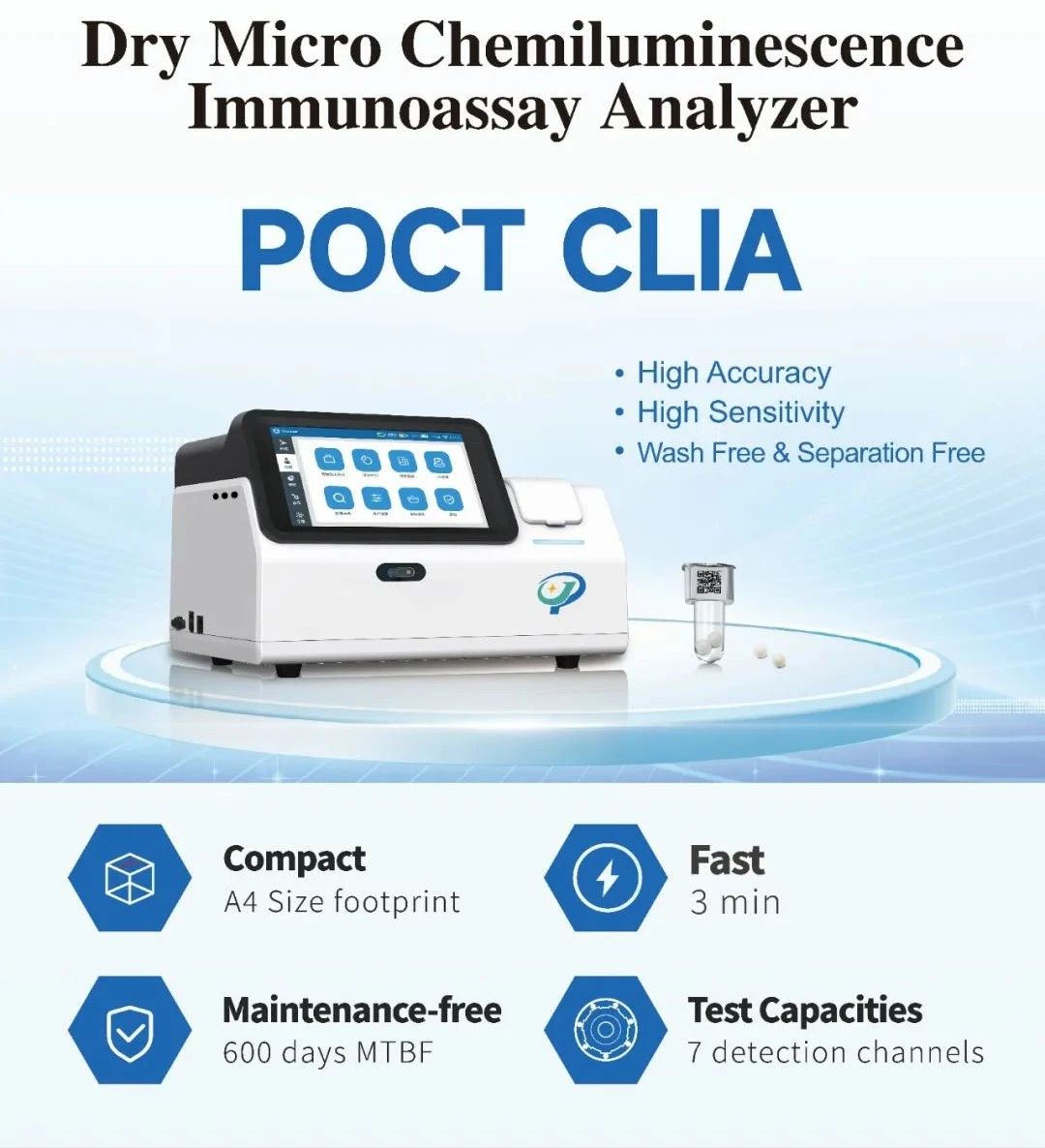
Recent discussions among experts on platelet function testing have highlighted significant advancements in Poclight's CRET technology. Notably, homogeneous chemiluminescence utilizing resonance energy transfer for detecting platelet membrane proteins offers an innovative solution to the limitations associated with traditional flow cytometry methods. This cutting-edge approach is poised to become the new trend in detecting activated molecules.

Addressing Current Limitations

Traditional flow cytometry in platelet function testing has its drawbacks, particularly when it comes to accurately assessing platelet activation in vitro. The homogeneous chemiluminescence method effectively addresses these challenges by providing a more reliable measurement of platelet activation status. With this technique, there’s no need for sample pretreatment, allowing for results to be obtained in as little as 5 minutes. This rapid turnaround time not only improves efficiency but also effectively solves the issue of platelet activation during sample handling, ensuring a true reflection of the in vivo activation state. Poclight has successfully developed many platelet function test products using CRET technology, such as CD62p, CD61 (GPIII.a), PAC-1 (GPII.b/III.a), CD42a (GPIX.), CD42b (GPI.b), etc.

The chemiluminescence response of human platelets

User-Friendly and Efficient

One of the standout features of this technology is its user-friendly design. The equipment is lightweight and requires no maintenance, making it accessible for various clinical settings. The one-step sample addition process simplifies operations, eliminating the need for specialized personnel or extensive training. This ease of use enables healthcare providers to integrate platelet function testing into their routine practices seamlessly.

Customizable Testing Options

Furthermore, the project indicators can be registered individually, allowing clinics to select specific tests based on their clinical needs. This targeted approach prevents unnecessary testing, ensuring that patients only undergo essential evaluations without the risk of overdiagnosis.

Homogeneous chemiluminescence for platelet function testing marks a significant leap forward in the field. By choosing this advanced method, healthcare providers can enhance their diagnostic capabilities while benefiting from the speed, simplicity, and reliability of the testing process. This innovative solution is set to reshape how we understand and monitor platelet activation, paving the way for improved patient care.

Top

What are the biomarkers for preeclampsia prediction?

Preeclampsia is a serious pregnancy complication that can lead to significant maternal and fetal morbidity. Early prediction and diagnosis are crucial for effective management and improving outcomes. Recent studies have highlighted the value of various peripheral blood biomarkers, including sFlt-1, PlGF, 25-hydroxyvitamin D test, D-dimer test, vWF, and P-selectin, in assessing the risk of developing preeclampsia.

Key Biomarkers in Preeclampsia Prediction

The balance between sFlt-1 (soluble fms-like tyrosine kinase-1) and PlGF (placental growth factor) is particularly informative. Elevated sFlt-1 levels and decreased PlGF levels have been associated with the development of preeclampsia. Additionally, markers like 25-hydroxyvitamin D, D-dimer, vWF, and P-selectin provide further insights into the inflammatory and thrombotic processes involved in preeclampsia. By measuring these biomarkers, healthcare providers can gain a clearer understanding of a patient's risk profile, allowing for proactive monitoring and intervention.

Advantages of Advanced Testing Solutions

The assessment of these biomarkers can be streamlined with modern testing solutions that offer significant advantages. Poclight's products require no washing or separation, simplifying the testing process and saving valuable time in clinical settings. Furthermore, there is no need for cold chain transportation, which reduces logistical challenges and costs. Poclight's tests can be stored at room temperature, ensuring ease of use and a long shelf life for consistent performance.

Placental Growth Factor CLIA Kit Products

Poclight's Human PGF/PIGF (CLIA)test analyzer that are maintenance-free and designed for simple installation. The one-step operation process ensures that healthcare providers can easily integrate these testing solutions into their workflows without extensive training. This combination of ease of use and reliable results positions our products as a valuable asset in the fight against preeclampsia and other pregnancy-related complications.

Top

How Does ATCERA Quartz Crucible Ensure Safe and Efficient Production in High-Temp Applications?

ATCERA Quartz Crucible: Unmatched Advantages for High-Temp Applications


In the field of high-tech and precision manufacturing, the properties of materials often determine the quality and reliability of the final product. ATCERA quartz crucible, with its unique physical properties, has shown irreplaceable advantages in high temperature applications, and has become a trusted choice in many scientific research and industrial fields. This article will explore in depth the three core advantages of ATCERA quartz crucible: excellent thermal shock resistance, high purity material and ultra-high temperature resistance, and reveal how it can help achieve efficient and safe production processes in various industries.

 high temperature quartz crucible


ATCERA Quartz Crucible: Excellent Thermal Shock Resistance for Safety & Efficiency

One of the most notable properties of ATCERA quartz crucible is its excellent thermal shock resistance. This means that the ATCERA quartz crucible remains intact even when frequently subjected to drastic temperature changes in the laboratory, such as rapid heating and cooling, avoiding cracks or breakage. This feature not only improves the safety of material handling, but also significantly reduces the risk of contamination caused by the failure of the crucible under extreme conditions, ensuring the accuracy of the experimental results and the purity of the product.


High Purity Material in ATCERA Quartz Crucible: Ensuring Flawless Experiments & Production

The high purity quartz material used in ATCERA quartz crucible is derived from its pure and flawless natural composition, which effectively avoids the interference of impurities on the experiment or production process. In semiconductor manufacturing, chemical analysis and other industries with high purity requirements, the advantages of ATCERA quartz crucible are particularly prominent. Even trace contamination can lead to deviations in experimental results or product defects, and the inert nature of ATCERA quartz crucible further ensures that there is no chemical reaction with the treated material, perfectly protecting the original characteristics and integrity of the material.


Ultra-High Temperature Tolerance of ATCERA Quartz Crucible: A Reliable Choice for Extreme Environments

Another highlight of ATCERA quartz crucible is its amazing high temperature resistance, able to withstand high temperatures in excess of 1,000 degrees Celsius. This makes ATCERA quartz crucible ideal for high temperature processes such as metal melting, glass manufacturing and even high-performance ceramic production. Maintaining structural integrity at such extreme temperatures ensures the stability and durability of ATCERA quartz crucible in a wide range of demanding applications, making it a reliable partner for many professionals.


In summary, ATCERA quartz crucible sets a new benchmark in high temperature applications with its excellent thermal shock resistance, high purity material and ultra-high temperature resistance. Whether it is a scientific research institution seeking experimental accuracy or an industrial field requiring efficient production, ATCERA quartz crucible provides a safe, pure and reliable solution. In the future, with the continuous progress of science and technology and the growing demand, ATCERA will continue to be committed to technological innovation, bring high-quality quartz crucible products to more industries, and jointly promote the development of science and technology and industrial upgrading.

Top

How Does ATCERA Quartz Crucible Play a Vital Role in Metallurgy, Semiconductor Manufacturing, and Chemical Analysis?

ATCERA Quartz Crucible: Essential for Metallurgy, Semiconductors & Chemical Analysis


In the field of modern industry and technology, quartz crucible plays an indispensable role in many industries with its unique performance and versatility. ATCERA quartz crucible, as the industry leader, with its excellent quality, provides efficient and reliable solutions for metallurgy, semiconductor manufacturing and chemical analysis industries. This paper will discuss the application and importance of ATCERA quartz crucible in these key fields.


Opaque Quartz Glass Crucible for Chemical Analysis Experiments


The Role of ATCERA Quartz Crucible in High-Temperature Melting

In the metallurgical industry, ATCERA quartz crucible is widely used in metal melting and casting processes. Its extremely high heat resistance enables it to withstand the extreme high temperatures generated during the smelting process, ensuring continuity and stability of operation. More importantly, the inertness of the quartz material effectively prevents the contamination of the molten metal, thus guaranteeing the high quality of the final product. The use of ATCERA quartz crucible not only improves production efficiency, but also significantly optimizes the purity and performance of metal products.


ATCERA Quartz Crucible: A Key Component in Semiconductor Manufacturing

In the semiconductor industry, the preparation of silicon wafers and the production of other semiconductor materials are highly dependent on ATCERA quartz crucible. In the process of melting silicon at high temperatures and subsequent crystallization, the quartz crucible can not only withstand the required high temperature environment, but also maintain the purity of the material, which is essential for the quality control of semiconductor products. Any contamination from other materials can lead to semiconductor product defects, so the high reliability of ATCERA's quartz crucible is key to achieving the best production results.


quartz crucible for semiconductor manufacturing


Ideal Quartz Crucibles for Chemical Analysis and Research by ATCERA

In the field of chemical analysis and scientific research, ATCERA quartz crucible also shows its unique value. Scientists often use these crucibles for high-temperature reactions and experiments that often require precise control of the environment. Quartz crucible not only provides accurate measurement and reaction conditions, but also avoids unnecessary chemical interactions, making it ideal for academic research and industrial applications. Its wide applicability and reliability make ATCERA quartz crucible the tool of choice for researchers and manufacturers.


In summary, ATCERA quartz crucible, with its excellent high-temperature stability, chemical inertness and precision control capabilities, plays a vital role in many industries such as metallurgy, semiconductor manufacturing and chemical analysis. Whether it is to improve production efficiency, ensure product quality, or promote scientific research and innovation, ATCERA quartz crucible has shown its irreplaceable advantages. With the continuous progress of technology and the increasing demand of industry, ATCERA will continue to be committed to the research and development of higher performance quartz crucible products to meet the diversified needs of future industrial development and promote the continuous progress and development of various industries.

Top

How is ATCERA Leading the Innovation Trend of Alumina Rod Technology for Modern Industry?

High-Performance Alumina Rod Innovations by ATCERA for Modern Industrial Applications


With the continuous progress of material science and technology, Alumina Rod has an increasingly broad application prospect in various industrial fields. As a representative of high-performance materials, alumina rods are gradually becoming a key force to promote industry innovation and development. The ATCERA is committed to continuous breakthroughs in this field, leading the innovation trend of alumina rod materials.


How is ATCERA Leading the Innovation Trend of Alumina Rod Technology for Modern Industry


Innovative Applications of Alumina Rods Driven by High-Performance Demands

As the industry continues its quest for high-performance materials, alumina rods are gaining attention for their ability to withstand extreme conditions. In high-end manufacturing fields such as aerospace and automotive manufacturing, alumina rods have a particularly broad application prospect. ATCERA is actively developing new ways to improve the toughness and reduce the weight of alumina rods to meet the needs of these industries for lightweight, high-strength materials. These innovations are not only expected to broaden the application range of alumina rods, but also to further improve the overall performance of related products.


The Role of Alumina Rods in Promoting Environmentally Friendly Industrial Practices

At present, sustainable development and environmental responsibility have become the main theme of global industrial development. Alumina rods fit perfectly into this trend with their high durability and recyclability. In the filtration and separation process, the application of alumina rods contributes to a cleaner production method, thus enhancing its appeal in environmentally conscious industries. The ATCERA always carries the concept of environmental protection through the product design and production process, and is committed to providing customers with efficient and environmentally friendly alumina rod solutions.


Ceramic Rod

Industry-University-Research Collaboration Accelerates Alumina Rod Technology Development

Looking to the future, the close cooperation between industry and scientific research institutions will become an important driving force to promote the development of new applications of alumina rods. With the continuous advancement of additive manufacturing and nanotechnology, ATCERA is actively exploring the development path of customized alumina materials to meet the needs of materials with specific properties in different fields. This continuous evolution and adaptation will ensure that alumina rods play an irreplaceable role in a wider range of application scenarios, further consolidating their central position in the modern industrial landscape.


In summary, alumina rod as a key material in modern industry, its application prospects are full of unlimited possibilities. Driven by the need for high performance, the ATCERA is constantly innovating to improve the performance indicators of alumina rods; Under the guidance of environmental protection trend, the wide application of alumina rod further highlights its environmental protection value; Driven by industry-university-research cooperation, the development of new applications of alumina rods is advancing at an unprecedented rate. In the future, ATCERA will continue to devote itself to the research and development and innovation of alumina rod technology to contribute more to the global industrial development.


Top