iPap Collector--Innosurg provides a one-stop service for medical customer Product Design - Mold Design & Building - Plastic Injection Molding - Assembly - Packing - EO Sterilization - Shipping.

Part Design: INNOSURG provided part structure optimization for customer during injection mold building & mold trials for better assembly.

Resin Choose: All the PP & PC resins used for sampling & small batch productions are medical grade. INNOSURG helped to search qualified medical grade PC sheet & 3M Double Sided Adhesive Tape for one of the components for iPap Collector.

CE Certification Application:

INNOSURG helped customer to arrange Technical Documentation for CE Certification application.

  • EO Sterilization Process Validation Report
  • Packaging validation reports (shelf-life stability, simulated distribution)
  • Pouch seal process validation
  • Aging Test


Top

Does obesity make it more difficult to find veins?

1.Thickening of subcutaneous fat

  • Deeper vein location: The subcutaneous fat layer of obese people is thicker, which may cause the veins to be covered by fat, making them deeper and difficult to accurately locate through visual observation or touch (palpation).
  • Blurred touch: Adipose tissue weakens the elastic touch of veins finder, making it difficult for medical staff to determine the location and direction of veins through touch.

    2. Venous physiological changes
  • Venous compression or concealment: Obesity may cause veins to be compressed or encapsulated by surrounding adipose tissue, further concealing their location.
  • Circulatory problems: Obesity is often accompanied by diseases such as hypertension and diabetes, which may cause venous hardening, reduced elasticity or vasoconstriction, increasing the difficulty of puncture.

    3. Clinical operation challenges
  • Reduced success rate: Research shows that the initial success rate of venipaspiration in obese patients is relatively low, and multiple attempts may be required.
  • Enhanced reliance on technology: Medical staff may need to rely on tools (such as ultrasound-guided) or longer needles, or choose special puncture sites (such as the back of the hand or the veins in front of the elbow).

    4. Other influencing factors
  • Skin condition: Obese individuals may develop skin wrinkles or edema, which further mask the veins.
  • Patient position: Some positions (such as hanging arms) may help fill the veins, but obese individuals may have difficulty cooperating due to limited movement.

    Coping strategy
  • Ultrasound-guided: Real-time ultrasound imaging can precisely locate deep veins.
  • Hot compress or making a fist: Promote blood vessel dilation and increase venous visibility.

    Experienced operators: Skilled medical staff can increase the success rate through anatomical landmarks and experience.

    Summary

    Obesity does increase the difficulty of venipesis, but it can be effectively dealt with through technical means and clinical experience. This conclusion is clearly supported in both medical literature and clinical practice (such as the Journal of Emergency Medicine and Nursing Research).


    Also welcome to contact us, we are ZD Medical Inc.
    Tel : +86-187 9586 9515
    Email : sales@zd-med.com
    Whatsapp/Mobile : +86-187 9586 9515

Top

Holding hands and looking at the eyes to help with diagnosis | Suddenly

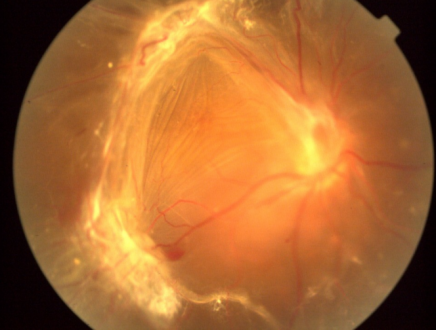
Common causes: tractional retinal detachment (TRD) is mainly caused by the traction of the fibrous vascular membrane on the surface of the retina or within the vitreous. Adult TRD is most commonly seen in proliferative diabetic retinopathy (PDR), retinal vein occlusion (RVO), retinal vasculitis and proliferative vitreoretinopathy (PVR). In addition, trauma, sickle cell retinopathy and uveitis, etc. can also lead to TRD. TRD in children is commonly seen in congenital diseases such as familial exudative vitreoretinopathy (FEVR), retinopathy of prematurity (ROP), and persistent primary vitreous hyperplasia (PHPV).


Clinical manifestations: The patient's symptoms are closely related to the location and extent of the traction. Typical manifestations include: Decreased vision: Posterior pole detachment can cause a sharp decline in central vision, while early peripheral detachment may be asymptomatic. Visual field defect: Fixed direction black shadow occlusion, a certain area of the visual field: "curtain" -like occlusion. Floaters and flashes of light: When the eyes move, brief "lightning-like" or "fire-like" flashes appear before the eyes, mostly around the visual field. Sudden drop in central vision + distorted vision: This highly indicates macular involvement. If not treated promptly, it may cause irreversible vision damage, such as scar formation and photoreceptor cell necrosis.

Diagnostic method: Fundus examination: After mydriasis dilation, the indirect ophthalmoscope can reveal the fibrous vascular membrane and its traction on the retina, with or without vitreous hemorrhage. Optical coherence tomography (OCT) : High-resolution display of the morphology of each layer of the retina, assessment of the position of the traction membrane and the involvement of the macular area. B-ultrasound: It is suitable for patients with severe vitreous opacity to assess the degree of traction and the extent of detachment. Fluorescein fundus angiography: It helps identify neovascularization, non-perfusion areas and lesion distribution, which is beneficial for surgical planning.


Treatment and prognosis: Vitrectomy (PPV) : Removing the proliferative membrane and releasing traction, combined with gas or silicone oil filling to reposition the retina, is the preferred surgical method for TRD. Laser photocoagulation: Targeting ischemic areas or around holes, it reduces new blood vessels and leakage. Anti-vegf drugs: Preoperative injection can reduce the vascular activity of the proliferative membrane and lower the risk of intraoperative bleeding. External scleral compression surgery: It is suitable for peripheral detachment and reduces vitreous traction through external pressure. Postoperative management: Regular follow-up is necessary. Avoid strenuous exercise and intraocular pressure fluctuations. Supplement neurotrophic drugs (such as vitamin B1 and adenosine triphosphate) to promote functional recovery.

Preventive strategies: Control underlying diseases: For instance, patients with diabetes and hypertension need to strictly manage their blood sugar and blood pressure to delay the progression of retinopathy. Regular ophthalmic screening: High-risk groups (patients with high myopia and diabetes) should have fundus examinations every year. Avoid ocular trauma: Especially for those engaged in high-risk occupations, protective equipment should be worn. Timely treatment of vitreous hemorrhage: Early intervention can reduce the formation of organized membranes.

The symptoms of tractional retinal detachment are centered around painless visual abnormalities. In the early stage, they may only present as mild floaters or flashes, which are easily overlooked. As the traction intensifies, visual field defects, distorted vision and decreased vision gradually occur. Due to the significant individual differences in symptoms, especially among high-risk groups such as diabetes and high myopia, even if there are no obvious discomforts, regular fundus screening (such as OCT and fundus fluorescein angiography) is still necessary to avoid delaying treatment due to "asymptomatic" conditions. Once the above warning signals occur, it is essential to visit an ophthalmologist as soon as possible and undergo surgery (such as vitrectomy) to relieve the traction and reposition the retina, so as to save vision to the greatest extent.

Also welcome to contact us, we are ZD Medical Inc.
Tel : +86-187 9586 9515
Email : sales@zd-med.com
Whatsapp/Mobile : +86-187 9586 9515
Top

What are the relevant foreign research and technological advancements regarding Vein Finder?

1.The application of Doppler ultrasound technology in venous localization

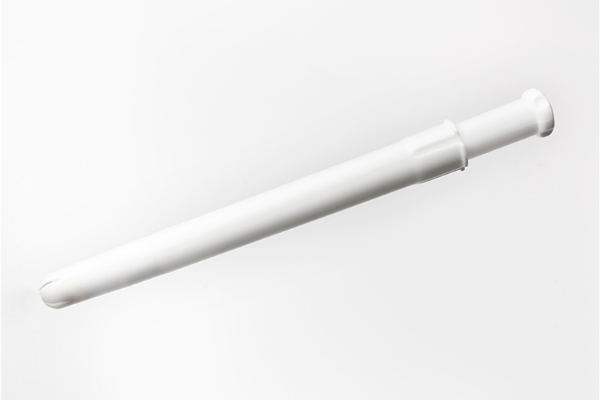
A research team from the Georgia Institute of Technology in the United States has developed a low-cost handheld device that uses Doppler ultrasound technology to quickly locate veins. This device distinguishes arteries from veins by emitting ultrasonic beams and analyzing blood flow reflection signals, and guides punctures in real time. It is particularly suitable for situations where veins are difficult to locate, such as in patients with trauma or burns. This technology has entered the human testing stage and is expected to achieve a portable design the size of a pen in the future.


2. Market and Technological Trends of Projection Vein Detectors

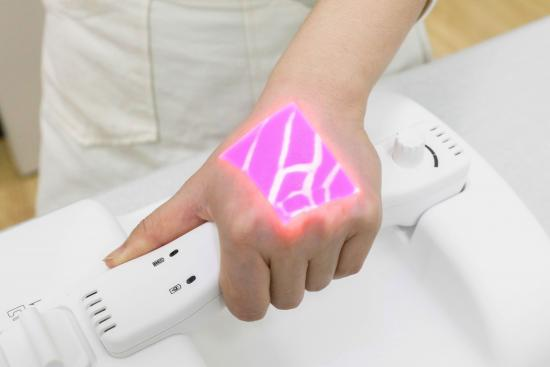
Technical classification: Laser, infrared and ultrasonic are the mainstream technologies. Laser technology has high precision and is suitable for intravenous injection and sclerotherapy. Infrared technology is low in cost and portable, and is often used for first aid. Ultrasound is widely used in vascular surgery due to its non-invasiveness and deep vein imaging ability.

Market-driven: The rising incidence of vascular diseases (such as varicose veins and deep vein thrombosis) and the increasing demand for minimally invasive surgeries have driven market development. By 2032, the global market size is expected to reach 10.8 billion US dollars, with a compound annual growth rate of 9.05%.


3. Technological breakthroughs in Infrared vein detectors and their impact on the supply chain

Technological progress: Near-infrared (NIR) imaging technology has significantly enhanced the accuracy of vein visualization, especially suitable for obese or dark-skinned patients. The portability of handheld devices makes them applicable in home care and remote areas.

Trade policy impact: The additional tariffs imposed by the United States have affected the technological flow and supply chain layout of the infrared vein detector industry, prompting Chinese enterprises to accelerate localized research and development, and at the same time promoting international enterprises to adjust their global value chains.


4. Vein recognition and biometric technology

The BK series of dorsal hand vein recognition systems developed by NEXTERN of South Korea and the palm vein imaging technology of Fujitsu of Japan both capture the distribution of subcutaneous veins through infrared rays and are applied in the field of identity authentication. Research from the University of Tennessee in the United States utilized CCD cameras combined with infrared filters to capture vein images, exploring their potential in the medical and security fields.


5. Tip catheter positioning technology (such as the Sherlock 3CG system)

The Sherlock 3CG system recommended by the American Society of Intravenous Infusion Nurses (INS) combines magnetic tracking and ultrasound guidance to achieve real-time positioning of PICC catheter insertion. This technology precisely determines the position of the catheter tip through changes in electrocardiogram signals (such as color changes in P-waves), reducing X-ray exposure and the risk of complications. It has been clinically promoted abroad.


6. Non-invasive central venous pressure (CVP) measurement technology

A research team from Massachusetts General Hospital in the United States has developed quantitative compression ultrasound (QCU) technology to non-invastively estimate CVP by measuring the collapse force of the internal jugular vein. Studies have shown that the accuracy of QCU is significantly higher than that of the traditional jugular pulse height measurement method, providing a new tool for the monitoring of diseases such as heart failure.


7. Clinical Application and Market Pattern of Venous Viewing Devices

The main enterprises: AccuVein (handheld infrared device), VeinViewer (high-precision projection technology), BD (medical equipment giant), etc. dominate the market. AccuVein’s products have become industry benchmarks due to their portability and real-time imaging capabilities.

Application scenarios: Hospitals (blood drawing, intravenous injection), clinics (minimally invasive surgery), and blood donation centers (efficient blood collection) are the main application fields, with North America and Europe occupying the largest market share.


8. Neuroscience correlation research of venous imaging

The study published in "Nature Communications" utilized the displacematic MRI (DiSpect) technique to reveal the hemodynamic changes of the cerebral venous system during neural activation. This technology not only enhances the resolution of venous imaging, but also provides a new perspective for the diagnosis of brain diseases such as stroke and multiple sclerosis.


Also welcome to contact us, we are ZD Medical Inc.
Tel : +86-187 9586 9515
Email : sales@zd-med.com
Whatsapp/Mobile : +86-187 9586 9515

Top

What is the new technology for finding veins?

The new technology for finding veins usually refers to one of the biometric technologies, namely vein recognition technology. Vein recognition is a biometric technology that verifies an individual’s identity by scanning and analyzing the vein images of a person’s fingers or hands. It uses the biological characteristics of the human venous system for identity authentication. These biological characteristics are unique to each person and difficult to forge, thus having high security and accuracy.

Vein Finder manufacturer

Regarding new technologies for finding veins, there are continuous new researches and developments to enhance recognition accuracy, precision and speed, while reducing costs and improving user experience. Some new technologies and trends include:


1.Multimodal biometric recognition: Combining vein recognition with other biometric features, such as fingerprint and facial recognition, to enhance recognition accuracy.


2.3D venous imaging: Utilizing three-dimensional imaging technology to obtain more detailed venous structure information, enhancing security and resisting attacks from biometric photos or models.


3. Mobile devices: Introduce miniaturized and portable vein recognition devices to provide more flexible solutions for mobile devices and machines.


4. Blockchain Technology: By integrating blockchain technology, ensure the secure storage and sharing of vein data, and protect user privacy and identity security.


5. Cloud Integration: Integrate vein recognition technology with cloud computing and the Internet of Things to provide more convenient identity verification solutions, such as applications in healthcare, finance, logistics and other fields.


The development of these new technologies has led to significant progress in vein recognition technology in terms of security, reliability and user experience, providing a wider range of applications for various fields.


Also welcome to contact us, we are ZD Medical Inc.
Tel : +86-187 9586 9515
Email : sales@zd-med.com
Whatsapp/Mobile : +86-187 9586 9515
Top

Complete Dental Bib Solutions From Raw Materials to Finished Products

In the dental supply industry, quality and consistency are essential. At the heart of every dental clinic are disposable consumables like Dental Bibs, which ensure hygiene and comfort for patients. As a professional supplier, we not only specialize in producing high-quality Dental Bibs, but also offer premium Dental Bib raw materials, giving our partners a one-stop solution for reliable supply and customized production needs.


Our Dental Bibs are manufactured using top-grade raw materials, including absorbent tissue and waterproof PE film. By controlling the entire production chain—from raw material processing to finished product—we ensure stable quality, competitive pricing, and the flexibility to meet various specifications for global markets. Whether you're sourcing standard Dental Bibs or looking for customized printing and packaging, we have the production capacity and experience to deliver.


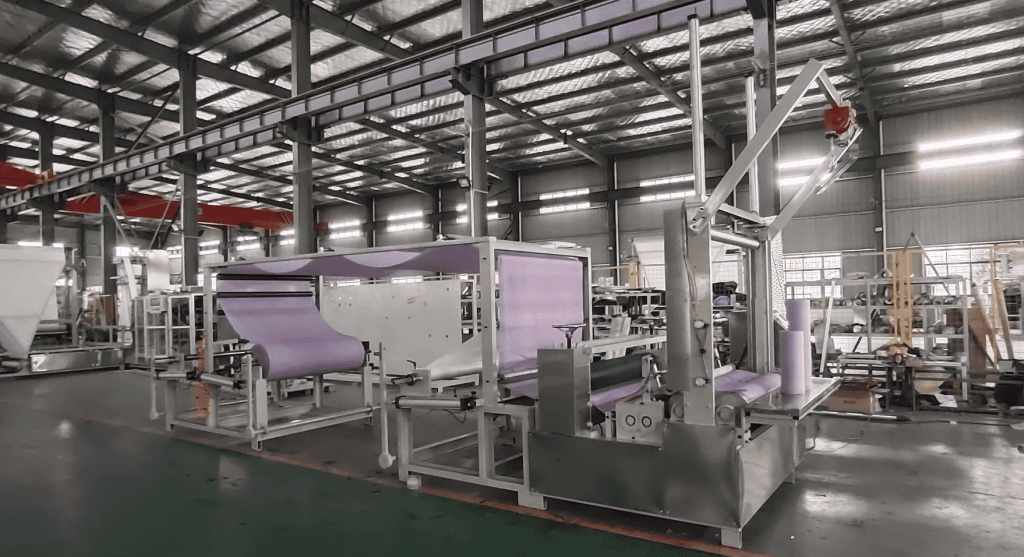
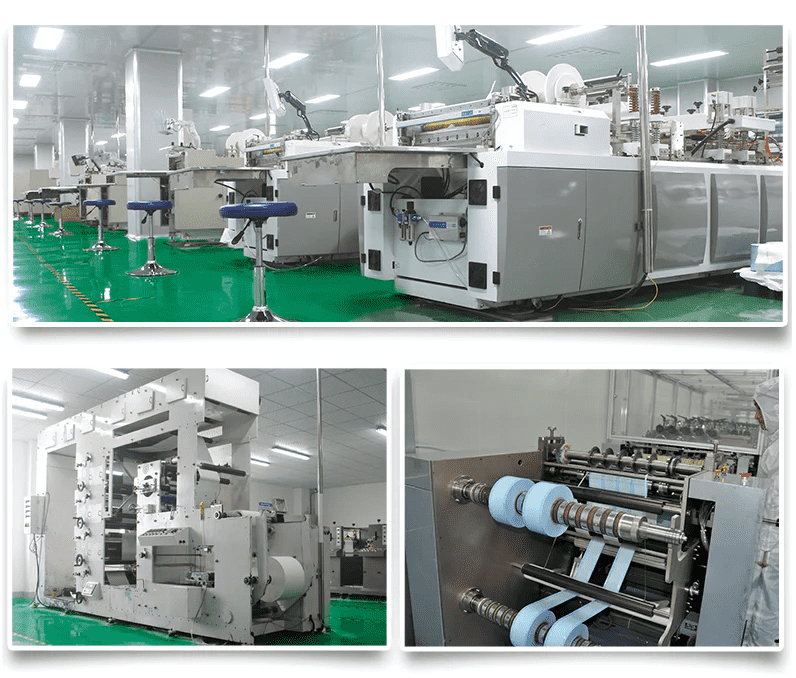
In addition to finished products and raw materials, we also provide advanced machinery solutions. As a trusted Dental Bib machine equipment manufacturer, we offer efficient, easy-to-operate equipment that integrates cutting, folding, and packaging processes. These machines are designed to work seamlessly with our raw materials, helping clients reduce waste, improve output, and maintain consistent product standards.


Choosing the right partner matters. That’s why businesses around the world trust Telijie. Beyond being a reliable source for Dental Bibs, Dental Bib raw materials, and machinery, Telijie is known for its excellent customer service. We provide full technical support, fast response times, and expert consultation to ensure your production line runs smoothly. From product to service, Telijie delivers with professionalism and integrity.

Partner with Telijie today—your complete solution for Dental Bib production and beyond.

Top

The Clinical Significance of Preeclampsia Biomarkers and Our Innovative Solutions

Preeclampsia affects approximately 5-8% of pregnancies and can lead to severe consequences for both mother and baby if not diagnosed and treated promptly. Biomarkers play a vital role in assessing the risk and progression of preeclampsia, enabling healthcare providers to make informed decisions.
 

Poclight offer cutting-edge solutions that enhance the detection of preeclampsia biomarkers. Utilizing homogeneous chemiluminescence technology, poclight provide high sensitivity and specificity for accurately measuring small molecular hormones associated with preeclampsia. This precision is essential for timely diagnosis and effective management, ensuring better outcomes for expectant mothers.


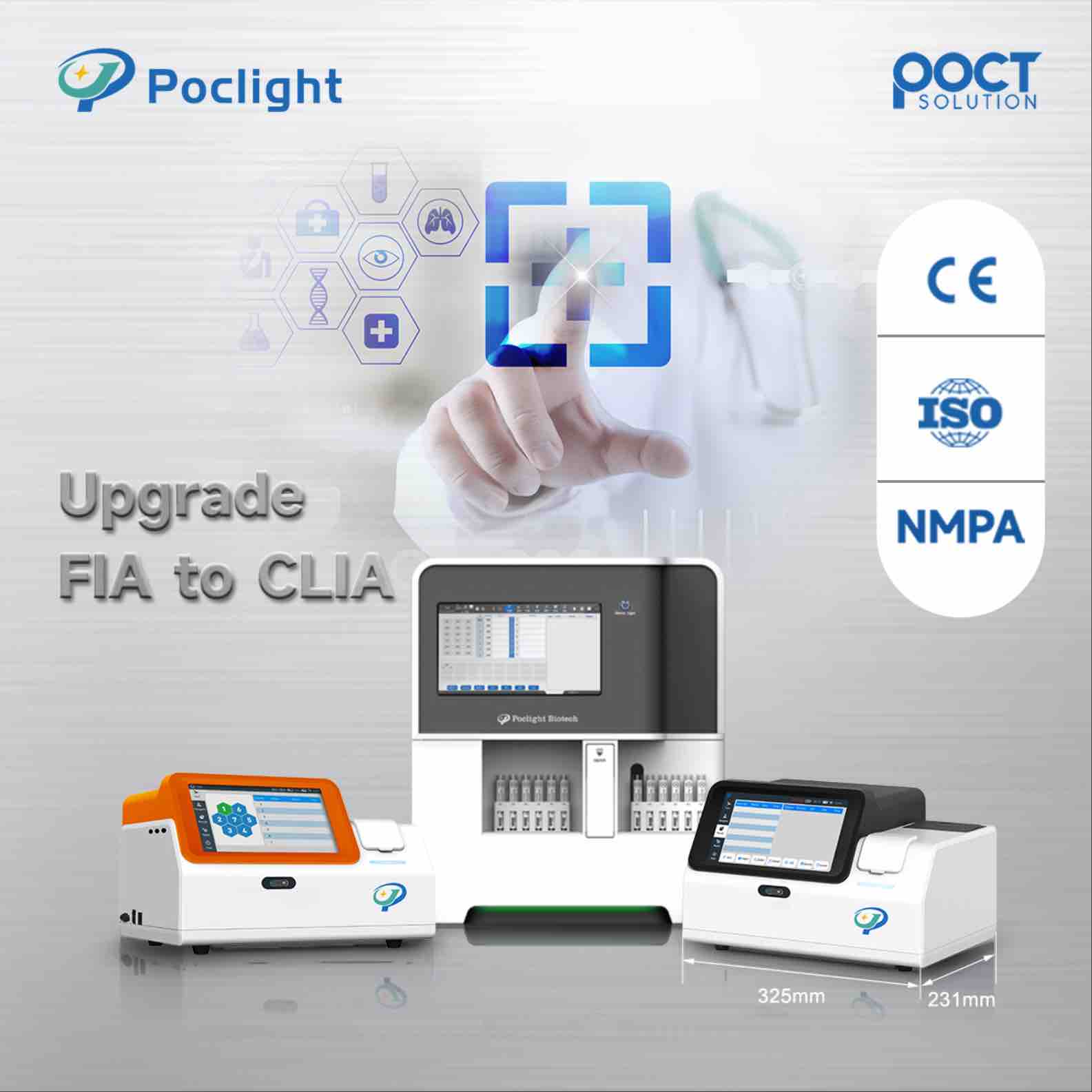
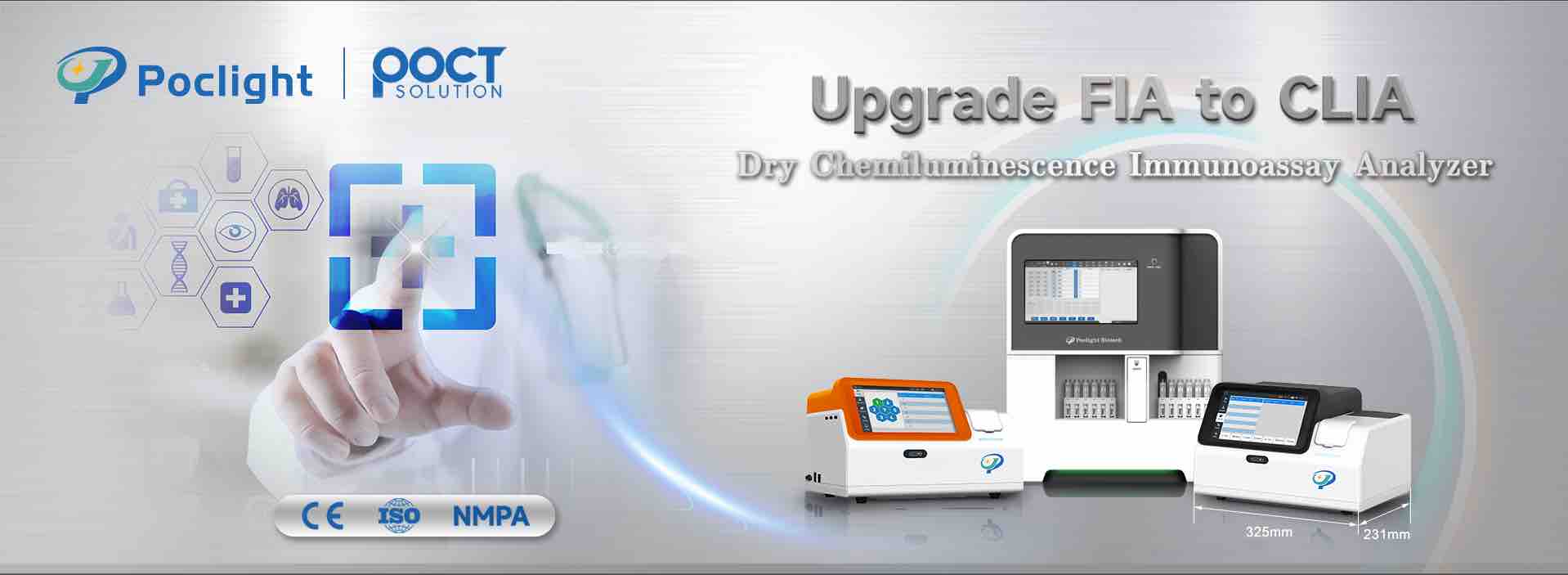
Micro Chemiluminescence Immunoassay Analyzer


One standout feature of Poclight's product line is the single-use lyophilized reagent. This innovative solution allows for easy storage and transportation at room temperature, with a shelf life of up to 18 months. This convenience not only simplifies logistics but also ensures that healthcare providers have access to reliable testing whenever needed.


In addition to its practical benefits, Poclight's technology enables rapid reporting, with results available in as little as 5 minutes. This speed is crucial in clinical settings where quick decision-making can significantly impact patient care. Moreover, Poclight's solution boasts a lower detection cost, offering a higher cost-performance, making it accessible for various healthcare facilities, including grassroots medical institutions.


Finally, Poclight's simplified analyzer and user-friendly operation ensure that covering a wide range of scenarios, we aim to provide an effective solution for the detection of preeclampsia biomarkers, ultimately improving maternal and fetal health outcomes.

Top

Micro-sampling System Poclight

In today’s fast-paced healthcare environment, laboratories need reliable and efficient solutions for rapid diagnostics. Poclight is proud to introduce our latest micro-sampling solution, designed to meet the demands of precision and speed while addressing the complexities of sample handling. With its unique features, our product is set to revolutionize your testing capabilities.


One of the standout attributes of our micro-sampling solution is its precise control over sample volume, requiring only 10μL for testing. This ensures that laboratories can minimize waste while maximizing accuracy, a crucial factor in environments where sample volume is critical. Additionally, the system allows for no washing or separation, streamlining the workflow and reducing the time spent on sample preparation.


Efficiency is further enhanced with an operation time of just 2 seconds per sample. This rapid processing capability makes it ideal for high-throughput settings, such as emergency departments and large-scale screenings. Healthcare providers can expect quicker turnaround times, which is essential for timely diagnoses and treatment decisions.


Micro-sampling solution is also designed for practical use. Poclight's clia test reagents can be stored at room temperature, eliminating the need for cold chain transport and allowing for long shelf life. This feature not only simplifies logistics but also ensures that the product is ready to use whenever needed, without the constraints of refrigeration.


Poclight's poct clia analyzer are designed for minimal maintenance, with easy installation and user-friendly, one-step operation. This means your staff can focus on what matters most—providing quality care—without the hassle of complex setups or ongoing repairs.


Advanced POCT CLIA Analyzer for Clinics and Labs


Experience the advantages of our product today and elevate your laboratory’s diagnostic capabilities.


Top

Enhancing Dental Practice Efficiency with High-Quality Dental Bibs and Professional Equipment Solutions

In today’s fast-paced dental clinics, every detail counts toward enhancing patient comfort and maintaining strict hygiene standards. A high-quality Dental Bib not only protects patients from spills and splashes but also reflects the professionalism of your practice. By selecting the right bib solution, you ensure that chairside procedures—from routine cleanings to complex restorations—proceed without interruption or concern over cross-contamination.


When sourcing supplies, understanding the variety of Dental Bib raw materials is key. Options range from soft, absorbent paper blends to polyethylene-coated fabrics that resist moisture and tears. Premium materials offer superior fluid control and gentle feel against the skin, reducing the risk of irritation during longer appointments. Partnering with experienced suppliers ensures consistent quality, so you never have to worry about variability in thickness or absorbency from one batch to the next.


Not all vendors deliver the same level of innovation and reliability. As a leading Dental Bib machine equipment manufacturer, we emphasize rigorous quality control, cutting-edge production techniques, and eco-friendly practices. Our modular dispensers are designed for easy loading and minimal maintenance, seamlessly fitting into any operatory setup. From compact wall-mounted units to freestanding carts, our solutions adapt to the space and workflow of modern dental teams.


At the heart of our offerings is the Dental Bib machine brand—renowned for its durable construction, whisper-quiet operation, and user-friendly design. Beyond product excellence, Telijie service distinguishes us in the marketplace: rapid installation, 24/7 technical support, and personalized training ensure your staff can fully leverage every feature. With Telijie’s commitment to exceptional service, your practice benefits from uninterrupted performance, reduced downtime, and the confidence that comes from partnering with a true industry leader.

Top

why our poct-crp analyzer is the smartest investment for your lab?

As the demand for rapid, accurate, and cost-effective diagnostics grows, healthcare providers are increasingly turning to point-of-care testing (POCT) solutions. One essential test that stands out is C-reactive protein (CRP), a crucial biomarker for monitoring inflammation and infection. If your institution is evaluating POCT-CRP analyzers, this guide outlines how Poclight's innovative solution meets and exceeds clinical and operational expectations.

Seamless Integration and High Throughput

Poclight's POCT-CRP analyzer features seamless integration with laboratory information systems (LIS), using standard interfaces like HL7. This ensures automatic result delivery, eliminating manual entry. It supports high-volume and decentralized testing environments, making it ideal for busy laboratories.

Flexible Sample Compatibility and Minimal Volume Requirement

Flexibility is key in modern diagnostics. Poclight's analyzer accepts C-reactive protein (CRP) blood tests from various sample types: capillary blood (fingerstick), venous blood in EDTA or lithium heparin tubes, and plasma from both venous and capillary sources. Importantly, it requires only 5 µL of S/P/W blood per test, making it suitable for pediatric, elderly, or chronically ill patients who need preserved blood volume.

Reliable Results and Built-in Features

The analyzer delivers precise CRP results within a range of 0.5–320 mg/L, ensuring accurate assessments across diverse clinical conditions.

Long-Term Value and Extra Benefits

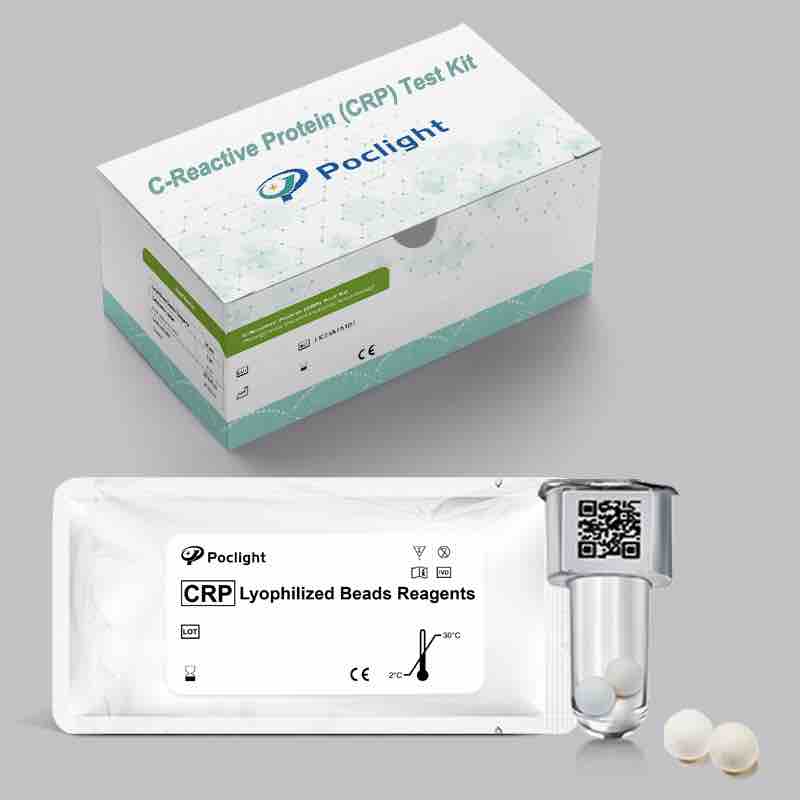
Investing in our POCT-CRP analyzer is a long-term decision. Poclight's kits come as single-use lyophilized reagents, no need cold chain. They can be kept at room temperature and have a shelf life of up to 18 months. This convenience not only simplifies logistics but also ensures that healthcare facilities, especially in remote areas, have easy access to essential testing solutions without the worry of refrigeration, and a dedicated support team for training and post-sale service.

Elevate Your CRP Testing Workflow

In a landscape where accuracy, speed, and system compatibility are paramount, our POCT-CRP solution stands out. It combines all these attributes in a compact and reliable device, only A4 size footprint, and the time to first result only 3min, making it the perfect choice for your laboratory needs.

2025 The good price of CRP (C-Reactive Protein) Tests

Top